
The Quick Verdict: Who Will Enjoy This Novel?
Choosing your next mystery novel requires balancing plot complexity with personal reading preferences. If you are a fan of slow-burn psychological suspense that trades high-speed action for deep character exploration and claustrophobic urban settings, The Killer Is Not Alice is likely to resonate with you. The book is particularly compelling for readers who appreciate stories deeply rooted in the social fabric of Singapore, offering a familiar yet unsettling backdrop to a complex puzzle.
Conversely, if your reading tastes lean toward fast-paced action thrillers, forensic-heavy police procedurals, or straightforward whodunits with rapid-fire clues, this novel might test your patience. The narrative prioritizes psychological tension and character study over explosive action. Before purchasing, it is highly recommended to verify the specific edition, language, and format—whether physical paperback, digital e-book, or audiobook—to ensure it aligns with your preferred reading device and aesthetic collection.
The Premise: Separating the Hype from the Hook
The intriguing title The Killer Is Not Alice immediately establishes a psychological puzzle. The premise centers on a tragic event or disappearance where suspicion naturally falls on a central character named Alice, only for the narrative to challenge this assumption from the outset. This setup creates an immediate tension between external appearances and hidden realities, forcing the reader to question the reliability of every character’s perspective.
Products mentioned in this guide
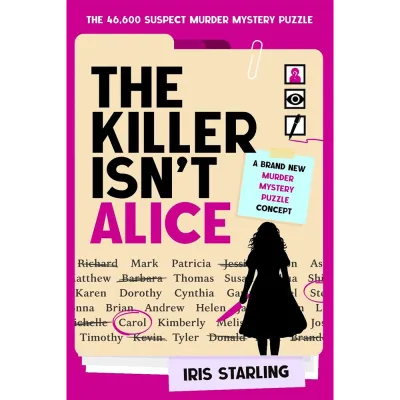
Prices are valid at publication and may change. Please refer to the product page for the latest price.

In local reading communities and online book spaces, the novel has generated notable discussion. Much of this interest stems from the provocative title, which functions as both a narrative promise and a potential misdirection. It is important to separate this promotional hook from the actual reading experience; while marketing campaigns often frame the book as a relentless, high-stakes thriller, the actual story behaves more like an intimate, character-driven drama that slowly peels back the layers of its protagonists’ lives.
The core conflict is less about a traditional chase and more about the psychological fallout of a crime within a tightly knit social circle. By focusing on how a single disruptive event exposes the fractures in family dynamics, friendships, and professional relationships, the book builds stakes that feel deeply personal. This focus on domestic and psychological realism ensures that the mystery remains grounded, even as the plot introduces unexpected perspectives and structural shifts.
Plot and Pacing: How the Mystery Unfolds
The narrative structure of the novel is deliberately non-linear, shifting between past events leading up to the central incident and the tense aftermath. This structural choice allows the author to drip-feed information to the reader, creating a sense of anticipation. However, this approach also means the pacing is uneven at times. The early chapters establish a strong sense of dread, but the middle section slows down significantly as the focus shifts toward character backstories and interpersonal conflicts.
Rather than relying on physical clues or forensic evidence, the mystery unfolds through psychological revelations and shifting alliances. The reader is placed in the position of an observer trying to piece together conflicting accounts of the same events. This subjective storytelling style means that the tension is intellectual rather than visceral. You are constantly evaluating the reliability of the narrators, searching for the subtle omissions and rationalizations that hide the truth.
For many readers, the success of a psychological mystery hinges on the final payoff. The resolution of this novel aims to tie together the various thematic threads rather than simply delivering a shocking twist for its own sake. While some may find the ending highly satisfying due to its emotional depth and thematic consistency, others who prefer a neat, logically airtight puzzle-box resolution might feel that certain ambiguous elements are left lingering. Managing your expectations regarding this slow-burn approach is key to enjoying the narrative journey.
Writing Quality and Local Singaporean Context
One of the standout features of the novel is its evocative depiction of Singapore. The author successfully avoids turning the setting into mere tourist-friendly postcard scenery, instead presenting the authentic, lived-in environments of the city-state. From the quiet, humid corridors of HDB housing estates to the sterile, high-pressure environments of local offices and schools, the physical spaces reflect the internal emotional states of the characters.
The prose style is clean and precise, capturing the unique rhythms of local life without relying on exaggerated caricatures. Dialogue is crafted to reflect how people in Singapore actually communicate, blending standard English with subtle local colloquialisms and cultural references that feel natural and unforced. This linguistic authenticity helps to ground the characters, making their dilemmas and social anxieties feel highly relatable to anyone familiar with the local societal landscape.
Furthermore, the novel weaves broader societal observations into its mystery. Themes of academic pressure, family expectations, corporate burnout, and the intense desire to maintain a flawless public image are central to the characters’ motivations. This exploration of the darker undercurrents of a highly structured society elevates the book from a simple crime story to a compelling piece of social commentary, showing how systemic pressures can drive ordinary individuals toward desperate measures.
Reader Reception: Common Praise and Criticisms
Synthesizing the feedback from local and international readers reveals a clear division in how the novel is received. The most common praise centers on the book’s atmospheric writing and its deep character development. Readers who enjoy slow, immersive character studies appreciate the time the author takes to explore the psychological scars and moral ambiguities of the cast. The authentic portrayal of Singaporean society is also frequently cited as a major strength, providing a refreshing alternative to Western-centric mystery tropes.
On the other hand, criticisms often target the book’s pacing and structural complexity. Some readers report finding the non-linear timeline and multiple perspectives confusing, particularly in the middle chapters where the central mystery can feel temporarily sidelined by extensive flashbacks. Those who picked up the book expecting a fast-paced thriller with constant plot twists have expressed frustration with the deliberate, introspective pace and the open-ended nature of some character arcs.
Ultimately, your appreciation of the book will depend heavily on your genre expectations. Hardcore fans of literary fiction and psychological suspense are likely to find the depth of characterization and atmospheric setting highly rewarding. Casual readers looking for a quick, plot-driven beach read or a highly logical police procedural may find the narrative too dense or slow-moving to fully engage their interest.
Before You Buy: Formats, Editions, and Alternatives
Before committing to a purchase, it is highly advisable to verify the specific edition and format of the book. Depending on your reading habits, you may prefer the tactile experience of a physical paperback or the convenience of a digital e-book. If you opt for the digital version, ensure that the file format is fully compatible with your specific e-reader device, such as a Kindle or Kobo, and check for any regional digital rights management (DRM) restrictions that might apply to purchases made in Singapore.
For those who prefer physical books, authentic editions can be sourced from established local brick-and-mortar bookstores or reputable online marketplaces. When purchasing online, always verify the publisher details and the unique ISBN to avoid low-quality print-on-demand copies or unauthorized digital reproductions. Supporting local independent bookshops not only guarantees you receive a high-quality, authorized copy but also helps sustain the domestic literary ecosystem.
If, after reading this review, you decide that the slow-burn psychological style of this novel does not match your current reading mood, there are excellent local alternatives to consider. For readers seeking a more traditional, plot-driven mystery with a strong focus on historical detail and procedural investigation, the works of established Singaporean mystery writers offer excellent starting points. Alternatively, if you prefer a collection of shorter, high-impact suspense stories, local crime fiction anthologies provide a diverse range of perspectives and pacing styles without the commitment of a full-length novel.
Frequently Asked Questions (FAQ)
Is 'The Killer Is Not Alice' a standalone novel or part of a series?
The central mystery of the novel is designed to be self-contained, resolving its primary plot threads and answering the core question posed by the title within this single volume. While the author leaves certain psychological and thematic elements open to interpretation, there is no cliffhanger requiring a direct sequel. It functions effectively as a standalone reading experience, making it a low-commitment option for readers who want a complete story.
Does the book contain mature themes or trigger warnings?
Yes, the novel deals with several mature themes that may be sensitive for some readers. It includes depictions of psychological distress, emotional manipulation, family conflict, and the aftermath of a violent crime or disappearance. While the book generally avoids highly graphic or sensationalized physical violence, the intense psychological tension and exploration of mental health struggles suggest that readers who prefer lighter, cozy mysteries should approach it with caution.
Where can I find authentic editions of this book in Singapore?
Authentic physical editions of the book are widely available through major local bookstore chains and independent bookshops across Singapore. You can also purchase authorized digital editions through major global e-book platforms. To ensure you are buying a genuine copy, verify that the seller is an authorized distributor, and check that the publisher and ISBN match the official listing details provided by the publisher.
Community discussion
Share your experience or ask a question. Comments are reviewed before publication.