
Deciding whether the Liber Live Guitar C1 is the right choice for your entry into music depends entirely on your personal learning goals, preferred playing style, and what you want to achieve as a musician. Unlike a traditional acoustic guitar, this instrument represents a modern, tech-driven approach to music-making. If your goal is to quickly accompany your singing, write songs, or perform without the steep physical learning curve of traditional steel strings, a smart digital instrument can be highly appealing. However, if you want to master classical fingerstyle, traditional music theory, or standard fretboard mechanics, you must carefully evaluate how a digital interface aligns with those long-term aspirations.
Before making a purchase, it is essential to understand that smart instruments operate differently from traditional wooden guitars. They often replace standard frets with buttons or sensor pads and use digital synthesis rather than natural acoustic chambers to produce sound. By systematically evaluating your goals, checking the manufacturer’s technical specifications, and understanding the physical requirements of practice, you can make an informed decision that protects your investment and supports your musical journey.
Identifying Your Beginner Goals and Learning Style
Your musical interests should dictate the type of instrument you buy. If you are drawn to classical music, complex jazz arrangements, or traditional blues solos, a standard acoustic or electric guitar is indispensable because these genres rely on physical techniques like string bending, vibrato, and precise finger placement. Conversely, if your primary interest is pop accompaniment, indie songwriting, or casual campfire strumming, a smart instrument designed for rapid chord progression transitions may serve your needs perfectly.
Products mentioned in this guide

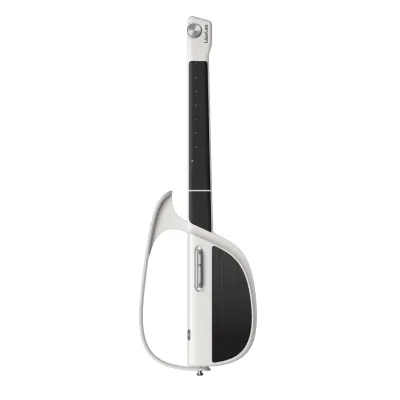
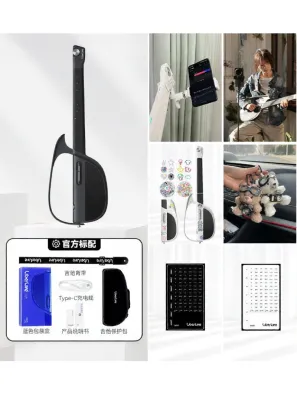
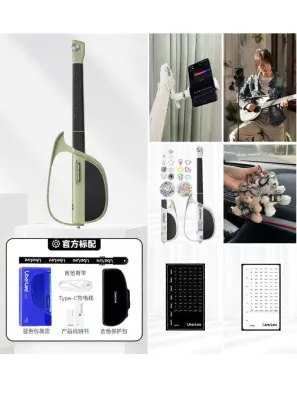
Prices are valid at publication and may change. Please refer to the product page for the latest price.
Your physical environment and daily schedule also play a major role in this decision. Traditional acoustic guitars can be loud, which may limit your practice hours if you live in a shared space or a high-density apartment building in Singapore. A digital or hybrid instrument that features a headphone jack or adjustable volume controls allows for silent practice at any time of day or night. Consider how much time you can realistically dedicate to practice; traditional guitars require consistent physical conditioning to build finger calluses, whereas digital interfaces generally eliminate this initial physical barrier.
Finally, establish a clear budget in S$ before browsing. A complete beginner setup for a traditional guitar—including the instrument, a clip-on tuner, a selection of picks, a strap, and a padded gig bag—typically ranges from S$200 to S$600. Smart digital instruments often carry a higher upfront price tag due to their integrated electronics, built-in speakers, and software features. Ensure that your budget accounts for any necessary digital accessories, such as compatible headphones, charging cables, or dedicated instrument stands.
Evaluating the Liber Live Guitar C1 Specifications
When researching the Liber Live Guitar C1, you must verify its physical dimensions and form factor on the manufacturer’s official product page. Traditional guitars come in various body shapes, such as dreadnought, parlor, or concert, which directly affect how comfortable the instrument feels against your body. For smart instruments, check the overall length, width, and thickness to ensure the device is not too bulky or awkwardly balanced for your frame, especially if you plan to practice while seated for extended periods.

Material composition is another critical specification to verify. Traditional guitars rely on specific tonewoods like spruce, mahogany, or rosewood to generate resonance and warmth. Smart instruments, however, frequently utilize synthetic materials, carbon fiber, or ABS plastics. In Singapore’s highly humid tropical climate, traditional wood instruments require careful humidity control to prevent warping, cracking, or glue failure. Synthetic or composite bodies offer a distinct advantage here, as they are highly resistant to temperature and humidity fluctuations, requiring far less environmental maintenance.
Lastly, pay close attention to the interface specifications. Instead of a standard fretboard with metal frets and six steel strings, verify whether the model utilizes a button-based chord pad, a touch-sensitive strumming area, or a hybrid layout. Check the spacing and size of these input areas. If the scale length or button layout is significantly smaller or larger than a standard guitar neck, it may require a different hand posture, which is an important factor to consider if you plan to transition to a traditional guitar in the future.
Assessing Playability and Physical Comfort
Physical comfort is the single most important factor in preventing early frustration and abandonment for beginner musicians. On a traditional guitar, you must investigate the factory string action—the height of the strings above the fretboard. If the action is too high, pressing the strings down becomes painful and difficult; if it is too low, the strings will buzz against the frets. For a smart instrument, verify how the input interface feels. If it uses physical strings for strumming, check if they are adjustable, and if it uses buttons, ensure they offer comfortable tactile feedback without requiring excessive force.
The finish of the neck and the edges of the playing surface must also be evaluated. On traditional instruments, poorly finished fret wires can have sharp edges that scratch your fingers as you slide up and down the neck. For digital controllers or smart guitars, inspect the seams of the molded plastic or composite materials. Smooth, rounded edges along the neck profile are essential for preventing hand fatigue during long practice sessions.
Weight distribution is another key element of playability. A poorly balanced instrument will feel “neck-heavy,” forcing your fretting hand to constantly support the weight of the neck rather than focusing on playing. If possible, test the instrument using a strap while standing, as well as resting on your thigh while seated. The instrument should remain stable and balanced in both positions without requiring constant physical adjustment from your hands.
Weighing the Value and Long-Term Usability
To determine if the instrument offers good long-term value, compare its included accessories and warranty terms against other entry-level options in the same price range. A high-quality beginner package should include a protective gig bag, a charging cable or power adapter, and a clear user manual. Verify the manufacturer’s warranty period and check what specific components are covered, particularly the electronic sensors, battery, and built-in speakers, which can be costly to repair out of pocket.
Consider how the instrument’s sound capabilities will fit your growth as a musician. Traditional acoustic guitars mature in sound as the wood ages, providing a lifetime of evolving tone. Smart instruments rely on digital sound engines, built-in synthesizers, or companion mobile applications. Check if the instrument’s firmware can be updated, if it supports MIDI connectivity to interface with external recording software, and if the digital sound library can be expanded. This ensures the instrument remains useful as your musical tastes and production skills develop.
Finally, investigate the return policy and local support availability in Singapore. Purchasing digital musical instruments online carries the risk of shipping damage or electronic defects. Confirm whether there is an authorized local distributor or service center that can handle repairs, firmware troubleshooting, or warranty replacements. A robust local return policy gives you peace of mind, allowing you to return or exchange the instrument if it does not meet your expectations upon arrival.
Frequently Asked Questions (FAQ)
Do I need to buy an amplifier or extra pedals for the Liber Live Guitar C1?
Whether you need external amplification depends entirely on the instrument’s built-in hardware. You must check the manufacturer’s specifications to confirm if the model features integrated speakers or a dedicated headphone output. If the instrument has built-in speakers, it is fully self-contained, allowing you to practice and perform in quiet settings without any additional gear.
If you plan to perform in larger venues or want to experiment with advanced audio effects, you will need to check for a standard 1/4-inch audio output jack or Bluetooth audio capabilities. Connecting to an external amplifier or a PA system requires a standard instrument cable. Unlike traditional electric guitars, smart instruments with digital sound engines usually do not require external effects pedals, as tone modulation, reverb, and delay are typically controlled directly through the instrument’s onboard interface or a companion mobile application.
How can I check if the neck is straight before my first practice?
To inspect the structural alignment of any guitar-style neck, hold the instrument at eye level and look straight down the edge of the neck from the headstock toward the body, similar to sighting down a rifle barrel. The edge of the playing surface or fretboard should appear straight or show a very slight, uniform concave curve (known as relief). Any obvious S-curves, sharp twists, or severe bowing indicate structural issues that will interfere with playability.
If the instrument uses a traditional wooden neck with adjustable strings, a warped neck can often be corrected by adjusting the internal truss rod. However, if you are inspecting a smart instrument made of composite materials or one that features integrated electronic sensors, manual adjustments may not be possible. If you detect any structural warping, twisting, or misalignment out of the box, do not attempt to force an adjustment; instead, immediately contact the retailer or a qualified local instrument technician to arrange for a replacement or professional evaluation.

Community discussion
Share your experience or ask a question. Comments are reviewed before publication.