
For complete beginners, deciding whether to start with a smart guitar like the LiberLive C2 depends entirely on what you want to achieve as a musician. If your primary goal is to play songs quickly, accompany your singing, and bypass the initial physical pain of pressing down steel strings, this instrument offers an accessible entry point. However, if your long-term ambition is to master traditional guitar techniques, read standard sheet music, or play complex fingerstyle arrangements, a smart guitar may introduce limitations that require significant relearning later.
Smart guitars represent a shift in how modern technology interfaces with music education. By integrating hardware indicators with digital applications, these instruments aim to lower the steep barrier to entry that causes many aspiring players to give up within their first few weeks. To determine if this modern approach aligns with your personal learning style, it is essential to weigh the immediate gratification of smart features against the foundational skills of traditional playing.
Quick Diagnostic: Is a Smart Guitar Your Best Starting Point?
Choosing between a smart guitar and a traditional acoustic instrument comes down to a fundamental trade-off between rapid progress and foundational skill building. Traditional guitars require a significant upfront investment of time to build finger calluses, develop hand strength, and memorize chord shapes before you can play a single song cleanly. A smart guitar is designed to shorten this initial phase, allowing you to produce pleasing chord progressions almost immediately through simplified interfaces and electronic assistance.
Products mentioned in this guide
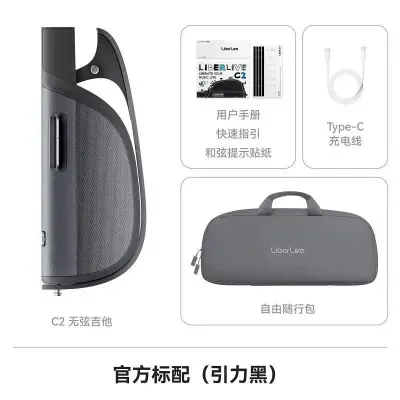
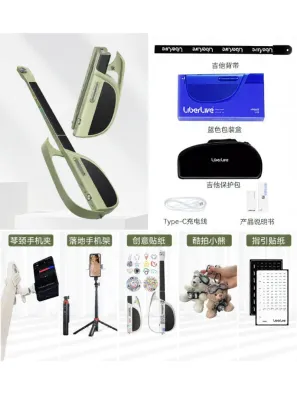
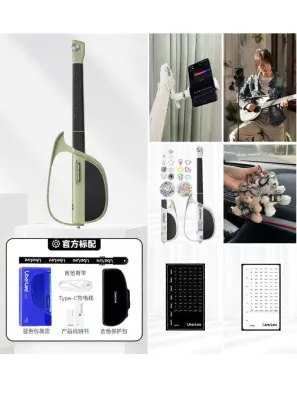
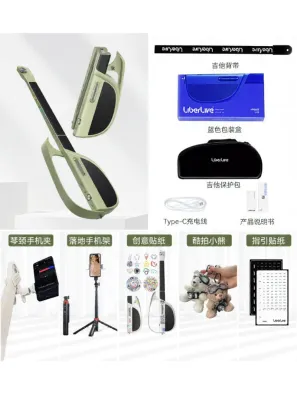
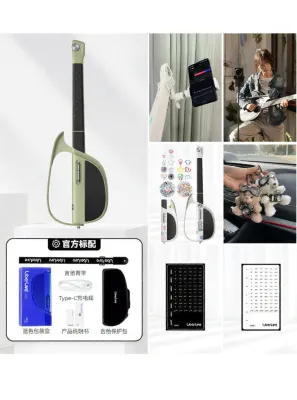
Prices are valid at publication and may change. Please refer to the product page for the latest price.
This streamlined approach makes the smart guitar format highly suitable for specific profiles. If you are a casual hobbyist, a singer-songwriter looking for a simple accompaniment tool, or someone who has previously abandoned the guitar due to joint discomfort, the reduced physical demand is a major advantage. It allows you to focus on rhythm, song structure, and vocal coordination without the physical frustration of traditional fretboard navigation.
Conversely, certain learners should skip this format entirely. If you aspire to play classical guitar, intricate jazz progressions, or expressive blues solos that rely heavily on string bending and subtle fingerstyle dynamics, a smart guitar will not provide the necessary tactile feedback. For these goals, starting with a standard acoustic or classical guitar is essential to develop the precise finger mechanics and hand strength required for advanced playing.
Smart Features: Accelerated Learning or Long-Term Crutch?
Evaluating a smart guitar requires a close look at how its technology guides your practice. Many smart instruments utilize LED fretboard indicators to show you exactly where to place your fingers for various chords. While this visual guidance is excellent for immediate chord recognition, it can sometimes delay the development of natural muscle memory. If your eyes are constantly trained on the fretboard lights, you may find it difficult to play when those visual cues are turned off.

To get the most out of an LED-guided system, you must actively transition from visual reliance to tactile awareness. Use the lights to learn the initial shape, but then practice closing your eyes or looking away to ensure your fingers can find the frets independently. This practice ensures that the technology serves as a temporary training tool rather than a permanent crutch.
Companion applications play a crucial role in the smart guitar experience, offering real-time feedback on your timing and note accuracy. This interactive feedback mimics having a digital instructor, helping you correct rhythm mistakes before they become deeply ingrained habits. However, you should verify the app’s compatibility with your specific smartphone or tablet operating system before purchasing, as software performance can vary across different devices.
There is also a risk of falling into a gamified learning trap. When an app turns practice into a visual rhythm game, it is easy to focus solely on hitting targets on a screen rather than listening to the tone and resonance of your instrument. To build genuine musicality, balance your app-based practice with unstructured playtime where you focus entirely on the sound, dynamics, and feel of the strings.
Physical Playability: Checking the Build for Beginner Hands
Before purchasing any instrument, it is vital to assess how its physical dimensions and materials fit your body. Traditional beginner acoustic guitars often feature wide necks and high string action, which can be incredibly taxing on untrained hands. Smart guitars frequently employ alternative neck profiles and lower string heights, making it much easier to press down notes cleanly without buzzing.
String tension is another critical factor in beginner comfort. Traditional steel strings exert significant pressure on the fingertips, requiring weeks of consistent practice to build protective calluses. Many smart guitars utilize specialized, lower-tension strings or synthetic materials that are much gentler on sensitive fingers. While this minimizes initial discomfort, it also means your fingers will not develop the heavy calluses needed to play a standard acoustic guitar comfortably.
For those living in tropical climates with high humidity, such as Singapore, the material composition of the instrument is a major practical consideration. Traditional wooden guitars are highly sensitive to humidity fluctuations, requiring careful storage, dehumidifiers, or frequent setups to prevent warping and playability issues. Many smart guitars are constructed from synthetic composites or carbon fiber, which are highly resistant to climate changes and require far less maintenance.
Always check the official manufacturer specifications for the exact weight, total length, and neck width of the instrument. Some smart guitars feature modular or folding designs that enhance portability, making them easy to store in compact living spaces or carry on public transit. Ensure the physical layout matches your body size, especially if you have smaller hands or prefer a highly lightweight instrument for travel.
The Transition Test: Will You Need to Relearn Later?
If you plan to eventually transition from a smart guitar to a conventional acoustic or electric guitar, you must prepare for a secondary learning curve. The physical layout of a smart guitar—including string spacing, fret height, and the tactile feel of the fretboard—often differs from standard instruments. These subtle differences mean that your hand positioning and muscle memory will require adjustment when you pick up a traditional guitar.
Fortunately, several core musical skills will transfer directly to any instrument you play. The rhythmic coordination developed through strumming patterns, the ability to keep time with a metronome, and a general understanding of song structures and chord progressions are universal. These cognitive skills give you a significant head start, even if your fingers have to adapt to a new fretboard.
However, specific physical techniques will require dedicated relearning. Traditional acoustic guitars demand precise finger placement to avoid muting adjacent strings, a skill that simplified smart fretboards do not always reinforce. Techniques like executing clean barre chords, performing fingerstyle patterns, and navigating an unlit fretboard by feel alone will require focused practice once you move to a standard instrument.
Your Action Plan: Choosing the Right Path Forward
To make the right decision, match your musical goals with one of the following structured paths:
- Path A: The Smart Guitar Route
Choose this path if your primary goal is casual enjoyment, quick song accompaniment, or singing along with chords. It is ideal if you have limited practice time, want to avoid physical finger pain, or live in a humid climate where maintaining a wooden instrument is impractical. Verify the app compatibility and physical dimensions before finalizing your purchase. - Path B: The Traditional Acoustic or Classical Route
Opt for a standard wooden acoustic or nylon-string classical guitar if you want to build a complete, classical foundation in music theory, fingerstyle technique, and raw finger strength. This path requires more patience and initial physical effort, but it ensures that your skills are fully transferable to any standard guitar in the world. - Path C: The Electric Guitar Alternative
If finger pain is your main barrier but you still want to learn traditional guitar skills, consider a standard electric guitar with a low-action setup and thin gauge strings. Electric guitars are physically much easier to play than acoustic guitars, require no specialized apps, and allow you to build authentic fretboard muscle memory while practicing quietly through headphones.
Frequently Asked Questions (FAQ)
Does the LiberLive C2 require a smartphone or tablet to play?
While some smart guitars can produce basic acoustic tones as standalone instruments, accessing advanced features typically requires a connected device. The companion application is essential for accessing interactive lessons, adjusting digital effects, utilizing backing tracks, and customizing the fretboard settings. Before purchasing, check the manufacturer’s official specifications to confirm the minimum operating system requirements for iOS or Android devices to ensure seamless Bluetooth connectivity.
How do you tune and maintain a smart guitar?
Smart guitars often feature built-in digital tuning systems or simplified peg mechanisms that make keeping the instrument in tune much easier than on a traditional guitar. Because these instruments contain sensitive electronic components and rechargeable batteries, they require specific care. Avoid exposing the instrument to extreme heat, use the recommended charging cables, and clean the synthetic fretboard with a dry, microfiber cloth rather than traditional wood oils or liquid polishes.
Community discussion
Share your experience or ask a question. Comments are reviewed before publication.