
Quick Answer: Is This Book the Right Tool for Your Wellness Journey?
Deciding whether The Natural Healing Handbook is the right fit for your lifestyle depends on how closely its educational scope aligns with your personal health objectives. Before purchasing, it is essential to verify the specific edition, format, and author credentials to ensure the content is credible and practical for your daily routine. You must also keep in mind that natural healing literature is designed strictly as an educational resource and should never serve as a substitute for professional medical diagnosis, advice, or treatment.
Define Your Personal Health and Wellness Objectives
To determine if this handbook is a valuable addition to your library, you must first clarify what you hope to achieve on your wellness journey. Are you driven by a general curiosity about holistic living, or are you hoping to manage specific chronic discomforts? Perhaps you are seeking a complete lifestyle overhaul that integrates physical, mental, and emotional practices. Pinpointing your primary motivation helps you filter the book’s advice and assess whether its level of detail matches your current expectations.

Next, identify the specific modalities you want to explore. You might be looking for practical dietary adjustments, structured mindfulness exercises, detailed herbal reference guides, or simple shifts in your daily routine. Knowing your preferred focus prevents you from purchasing a book that spends hundreds of pages on topics you have no interest in practicing. It also helps you gauge whether the suggested routines will realistically fit into your existing schedule and lifestyle.
Products mentioned in this guide
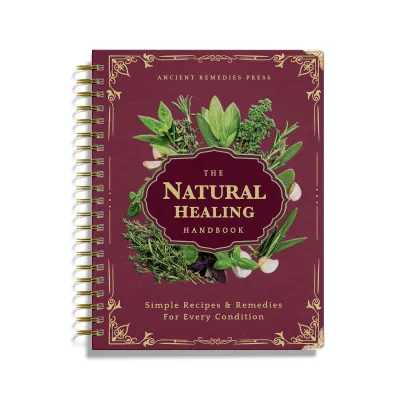
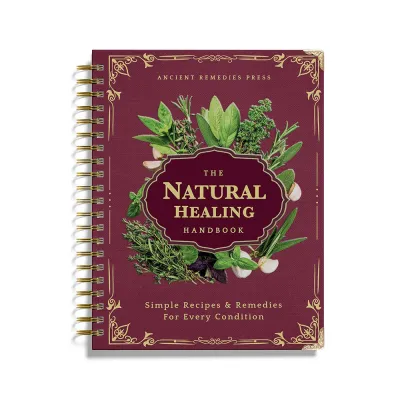
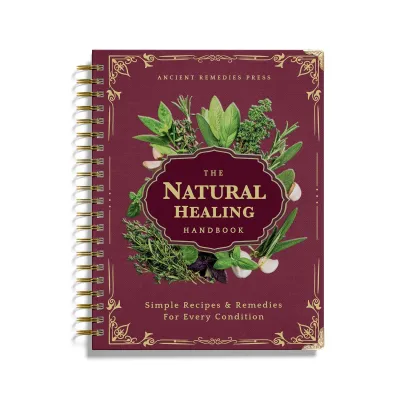
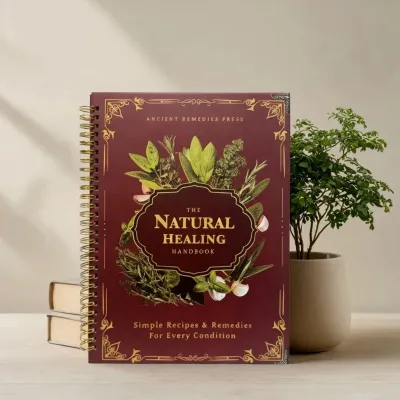
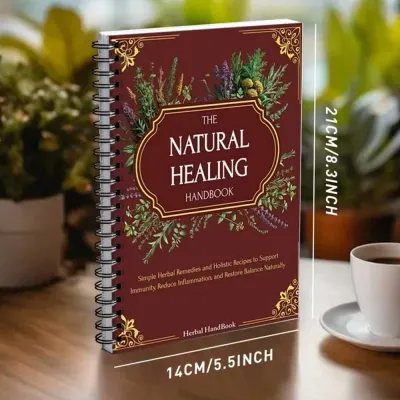
Prices are valid at publication and may change. Please refer to the product page for the latest price.
Finally, establish realistic boundaries regarding what a non-fiction self-improvement book can actually deliver. A book can offer inspiration, structured frameworks, and general lifestyle suggestions, but it cannot diagnose an illness or guarantee specific clinical outcomes. Recognizing the difference between educational self-care and necessary medical intervention ensures you approach the material with a safe and balanced mindset.
Evaluate the Book’s Actual Scope and Author Credentials
Before committing to a purchase, take the time to inspect the book’s actual contents rather than relying solely on the title or cover art. If you are shopping online, use preview features to examine the table of contents, index, and sample pages. This quick check allows you to confirm whether the text covers the specific modalities you need, such as herbal preparations, dietary guidelines, or stress-management techniques, rather than offering generic advice.
Verifying the author’s professional background and credentials is another critical step in evaluating non-fiction wellness literature. Look for documented experience, formal certifications, or academic training in fields like nutrition, herbalism, or integrative medicine. Understanding who wrote the book helps you assess the credibility of the information and decide if the author’s expertise aligns with your personal standards of trust.
Additionally, pay close attention to the publication date and edition notes. Wellness standards, safety guidelines, and scientific understandings of natural ingredients evolve over time. Checking these details ensures the information reflects contemporary safety practices and helps you avoid outdated advice that could be ineffective or potentially harmful.
Signs This Book Is a Good Match for Your Goals
This handbook is likely an excellent match if you are seeking a foundational, structured introduction to natural wellness concepts. If you are new to holistic practices, a well-organized guide can demystify complex topics and provide a clear starting point. It serves as a helpful roadmap for building a basic vocabulary and understanding how different natural modalities interact.
Another positive sign is when the book’s proposed routines and philosophies align with your available time, budget, and daily constraints. A wellness guide is only useful if you can realistically implement its suggestions. If the book emphasizes simple, accessible adjustments—such as basic breathing exercises or common kitchen herbs—rather than expensive, hard-to-find ingredients, it is much more likely to support your long-term success.
Lastly, the book is a suitable choice if you plan to use its self-care strategies as a complement to, rather than a replacement for, professional medical advice. When used to support a healthy lifestyle alongside your doctor’s recommendations, a natural healing guide can offer valuable tools for daily stress management, sleep hygiene, and general vitality.
When to Look for Alternative Resources or Professional Help
Conversely, there are clear indicators that this book may not be the right tool for your current situation. If you are seeking immediate medical diagnosis, treatment for acute symptoms, or guaranteed clinical outcomes, you should bypass self-help literature entirely. Relying on a book to address urgent health issues can delay necessary medical care and lead to serious health risks.
You should also look for alternative resources if the book’s focus is either too broad to be useful or too niche for your interests. For instance, if you are looking for highly specific dietary protocols but the book only offers general lifestyle advice, it will likely leave you frustrated. Similarly, if the text relies heavily on modalities that you are uncomfortable with, or ingredients you have known allergies to, it is not a safe or practical resource for you.
Furthermore, if your goals require advanced, peer-reviewed clinical data and scientific citations, a general wellness handbook may fall short. Readers looking for deep scientific analysis or rigorous clinical trials will find more value in academic journals or specialized medical texts rather than consumer-focused self-improvement books that rely on personal anecdotes or simplified summaries.
Verify the Edition, Format, and Compatibility Before Buying
Once you decide to purchase, take a moment to compare the available formats to see which one best supports your learning style. A physical book is often ideal if you plan to reference charts, highlight text, or flip back and forth between recipe sections. On the other hand, an e-book offers portability and searchability, while an audiobook is excellent for listening during your daily commute, though it may lack visual aids.
You must also verify the language, regional publishing restrictions, and completeness of the specific edition you are buying. Some international editions may use different terminology, measurement systems, or ingredient names that can cause confusion. Ensuring you are purchasing an authorized, complete version prevents you from missing critical chapters or safety appendices.
Finally, check for supplementary materials that are often bundled with specific editions, such as downloadable worksheets, meal plans, or resource lists. These tools can significantly enhance the practical value of the book. Be aware that some digital or audio formats may not include these PDF supplements, so verifying their availability beforehand ensures you get the complete educational experience.
Frequently Asked Questions (FAQ)
Can a natural healing book replace professional medical advice?
No, a natural healing book cannot replace professional medical advice, diagnosis, or treatment. These books are designed to provide general educational frameworks, historical context, and lifestyle suggestions rather than personalized medical prescriptions. You should always consult a licensed healthcare professional for any acute conditions, persistent symptoms, or before making significant changes to your diet, exercise routine, or supplement intake.
How do I know if the natural practices in the book are safe for me?
To determine if the practices are safe, you must cross-reference the book’s recommendations with your personal health profile. Many natural herbs, supplements, and dietary changes can interact dynamically with prescription medications or exacerbate underlying health conditions. It is highly recommended to discuss any new holistic practices with a qualified doctor or healthcare practitioner, particularly if you are pregnant, nursing, managing a chronic illness, or taking regular medications.
Community discussion
Share your experience or ask a question. Comments are reviewed before publication.