
Choosing your first book on mindfulness can feel overwhelming, especially when confronted with classics that carry decades of reputation. If you are stepping into this space for the first time, you have likely encountered The Power of Now by Eckhart Tolle. This book has introduced millions of readers to the concept of living in the present moment, but its unique style means it is not a universal fit for every beginner.
Whether this book is the right starting point for you depends heavily on what you want to get out of your reading experience. If you are open to spiritual philosophy, abstract concepts, and a deep exploration of consciousness, this book can offer a profound shift in perspective. However, if you are looking for a highly practical, secular, or science-backed guide with step-by-step daily exercises, you may find its tone too esoteric and prefer to start elsewhere.
Understanding the book’s core themes, structural format, and potential challenges will help you decide if it aligns with your current learning goals. By evaluating your personal preferences and learning style, you can make an informed decision before purchasing a copy or downloading the audiobook.
Products mentioned in this guide
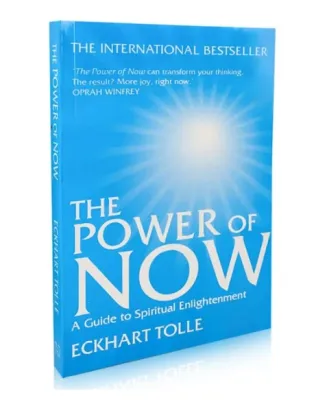
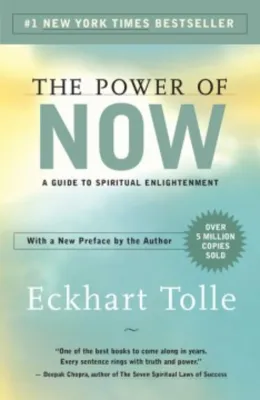
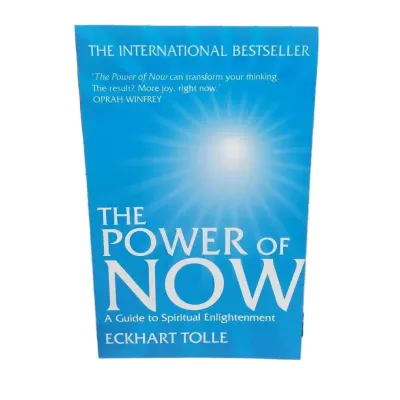
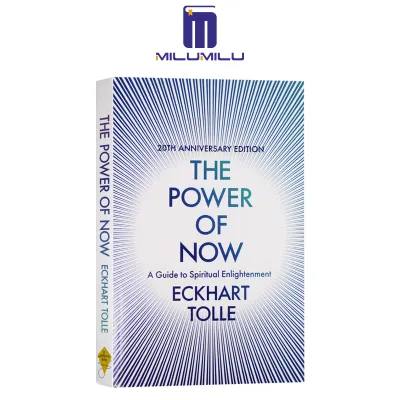
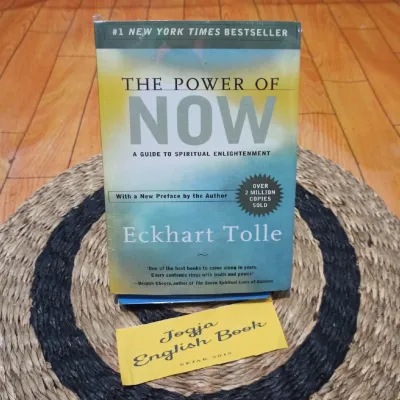
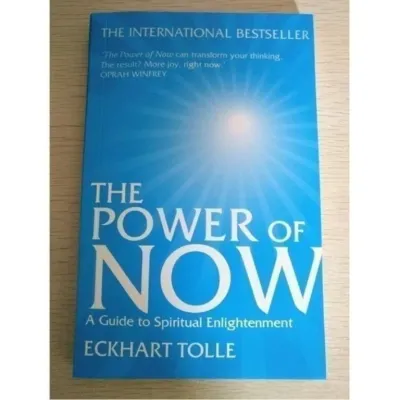
Prices are valid at publication and may change. Please refer to the product page for the latest price.
What to Expect: Core Themes and Reading Experience
At its heart, the book centers on a single, powerful premise: your mind is a tool, but it is not who you are. The author guides readers to separate their identity from their constant stream of thoughts, teaching them to observe their mental patterns without judgment. This process of stepping back to become the “observer” of your mind is presented as the key to ending personal suffering and finding peace.
The structural format of the book is designed to mimic a dialogue, utilizing a question-and-answer style throughout the chapters. The author addresses common doubts, objections, and anxieties that a typical reader might experience when confronting these concepts. This conversational approach can make the dense philosophical material feel more accessible, as it directly addresses the skepticism you might feel while reading.
Throughout the text, you will also encounter specific symbols that serve as built-in meditative pauses. These indicators are designed to encourage you to stop reading, close your eyes, and experience the present moment rather than rushing to the next paragraph. This unique layout forces a slower, more reflective reading pace, transforming the book from a passive reading experience into an active practice.
While the book contains profound insights, it is important to distinguish between its philosophical teachings and actionable exercises. Most of the practices described are experiential and internal, such as focusing on the “inner body” or practicing silent observation. If you expect structured worksheets, habit trackers, or clear weekly schedules, you will not find them here; the focus is entirely on shifting your state of consciousness in the moment.
Potential Hurdles for First-Time Readers
For those new to mindfulness, the density of spiritual terminology can be a significant hurdle. The text frequently uses abstract metaphors and terms like “Being,” “the Unmanifested,” and “enlightenment” to describe psychological states. If you prefer scientific explanations, clinical studies, or neurological data to support mindfulness practices, this spiritual framing may feel difficult to connect with.

Another common point of friction is the lack of structured, day-by-day practical routines. Many modern mindfulness books offer clear, incremental steps, such as starting with a three-minute breathing exercise and gradually building up. In contrast, this book demands a sudden, radical shift in how you relate to time and thought, which can feel overwhelming if you do not already have a basic meditation habit.
The emotional intensity of the concepts can also catch beginners off guard, particularly the discussion of the “pain-body.” The author describes this as an accumulation of old emotional pain that lives within you and feeds on negative thinking. Confronting these deep-seated mental habits and recognizing how much of your identity is tied to past suffering can be an intense, sometimes uncomfortable experience for first-time readers.
Finally, the repetitive nature of the writing can frustrate some readers. Because the central message is simple—stay in the present moment—the book returns to this point from many different angles. While this repetition is intentional and designed to help the concept sink in, readers who prefer a fast-moving narrative or a wide variety of topics may find themselves losing interest after the first few chapters.
How to Decide If It Matches Your Learning Style
To determine if this book is the right investment for your mindfulness journey, it helps to contrast your personal learning preferences. Consider whether you lean toward philosophical exploration or practical, secular application.
The Philosophical Explorer
- You enjoy abstract concepts and questioning the nature of reality.
- You are comfortable with spiritual language and non-religious mysticism.
- You want to understand the deep "why" behind human suffering and thought patterns.
The Practical Pragmatist
- You prefer science-backed explanations, clinical research, and psychological frameworks.
- You want clear, step-by-step instructions, daily habits, and measurable progress.
- You feel skeptical or uncomfortable when encountering esoteric or spiritual terminology.
If you find yourself aligning more with the practical pragmatist profile, you may want to start with a more secular introduction to mindfulness before tackling this text. If you lean toward the philosophical explorer, this book is highly likely to resonate with your goals.
Before spending S$20 to S$30 on a physical copy, consider sampling the book to gauge your personal resonance. You can visit a local bookstore in Singapore or use online preview tools to read the introduction and the first chapter. Pay close attention to how the tone makes you feel; if the writing style feels frustrating or overly abstract in the first few pages, it may not be the right time for you to read it.
Additionally, think about how you best absorb meditative texts when choosing a format. A physical copy allows you to highlight key passages, write notes in the margins, and easily pause at the designated symbols. An audiobook, on the other hand, can offer a calming, paced listening experience, but it requires active discipline to ensure you do not simply tune out the narrator’s voice during your daily commute on the MRT.
When to Look for Alternative Mindfulness Books
If you decide that this specific book does not match your current needs, there are several other pathways into mindfulness. Knowing what to look for in an alternative guide can save you time and help you build a sustainable practice.
For a more secular, science-backed approach, look for books written by clinical psychologists, neuroscientists, or founders of mindfulness-based stress reduction (MBSR) programs. These texts typically focus on how meditation affects the brain, reduces stress hormones, and improves focus. They rely on empirical evidence and psychological frameworks rather than spiritual philosophy, making them highly accessible for analytical minds.
If your primary goal is to build a daily habit, seek out workbook-style guides. These books are specifically designed for beginners and often feature structured, multi-week programs. They include daily prompts, short breathing exercises, and spaces to log your progress, helping you integrate mindfulness into a busy schedule without needing to master complex philosophical concepts first.
When browsing for alternatives on an online marketplace or at your local library, take a close look at the table of contents and the book description. Look for keywords like “neuroscience,” “cognitive behavioral therapy,” “daily practice,” or “stress reduction” if you want a practical guide. Conversely, if you see terms like “awakening,” “consciousness,” or “spiritual transformation,” expect a style closer to Tolle’s work.
Before purchasing any book, always verify the specific edition, language, and format to ensure compatibility with your reading devices or preferences. Checking these details beforehand ensures you receive the complete, authorized version of the text without any regional restrictions or formatting issues.
Frequently Asked Questions (FAQ)
Do I need a background in spirituality to understand the book?
No, you do not need any prior background in spirituality or Eastern philosophy to understand the book. The author defines all key terms and concepts internally as they are introduced. However, you do need an open mind and a willingness to engage with abstract, non-traditional ideas, as the book relies heavily on spiritual metaphors rather than scientific data.
Is the audiobook version effective for beginners?
The audiobook can be highly effective for beginners, especially because the slow, deliberate pacing of the narration helps convey the meditative quality of the text. However, because the material is dense, some listeners may find it difficult to retain the concepts without the visual aid of a physical page. If you choose the audiobook, consider listening in a quiet environment where you can easily pause and reflect, rather than using it as background noise.
How should a beginner pace their reading of this book?
Beginners should avoid trying to read this book quickly or in large chunks. Because the concepts are highly reflective and repetitive, reading just a few pages or one short section at a time is often the most effective approach. Allow yourself to pause at the end of each section, close the book, and spend a few minutes observing your thoughts to practice the concepts in real-time.
Community discussion
Share your experience or ask a question. Comments are reviewed before publication.