
Deciding whether to invest your time and money into reading the Rich Dad Poor Dad book requires separating its timeless psychological insights from its outdated transactional advice. Decades after its initial release, this personal finance classic remains highly relevant as an entry-level tool for shifting how you view income, debt, and wealth. However, treating it as a literal, step-by-step blueprint for modern investing can lead to significant financial risk. To get the most value out of this text today, readers must learn how to extract its foundational mindset shifts while discarding specific tactics that no longer align with modern economic realities.
Core Mindset Shifts That Still Apply Today
The enduring appeal of the book lies in its ability to challenge conventional assumptions about money. Perhaps the most significant contribution of the text is its simplified definition of assets and liabilities. In traditional accounting, a home is typically listed as an asset. The book challenges this by defining an asset strictly as something that puts money into your pocket, while a liability is something that takes money out. Under this framework, a primary residence that requires monthly mortgage payments, maintenance costs, and property taxes without generating active cash flow is functionally classified as a liability. This perspective encourages readers to evaluate their purchases based on actual cash flow generation rather than speculative future value.
Another foundational concept that remains highly relevant is the emphasis on financial education over traditional employment security. The book argues that relying solely on a single salary from a conventional job leaves individuals highly vulnerable to economic downturns, inflation, and corporate restructuring. By prioritizing continuous financial learning, individuals can develop the skills necessary to identify investment opportunities, manage risks, and build alternative income streams. This proactive approach to education shifts the focus from climbing the corporate ladder to building an independent financial foundation.
Products mentioned in this guide
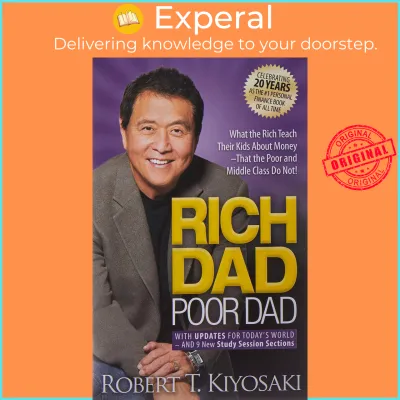
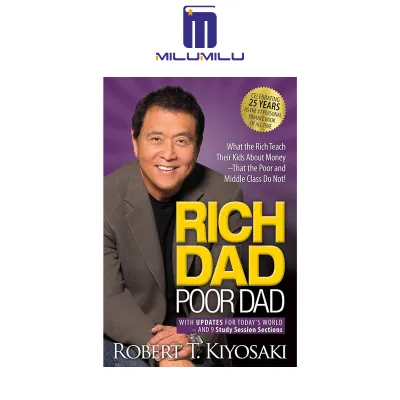

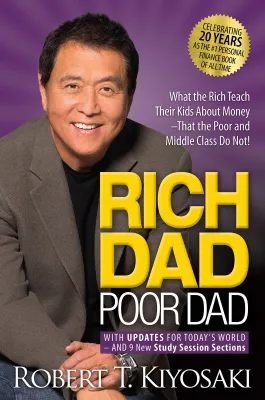



Prices are valid at publication and may change. Please refer to the product page for the latest price.
Finally, the core philosophy of making money work for you, rather than working for money, serves as a powerful motivator for wealth building. The text contrasts the habits of those who trade their time directly for a paycheck with those who acquire income-producing assets. By focusing on strategic investing and business ownership, individuals can gradually transition from active labor to passive income generation. While the specific vehicles for achieving this have evolved, the underlying principle of leveraging capital to buy back your time remains a cornerstone of modern personal finance.
Outdated Tactics to Approach with Caution
While the psychological framework of the book remains robust, many of the specific investment tactics and market assumptions are outdated and require extreme caution. A primary example is the book’s heavy reliance on real estate leverage. The narrative frequently describes acquiring physical properties with minimal down payments and high debt levels to generate immediate positive cash flow. In today’s economic climate, this strategy is highly challenging to execute safely. Interest rates are significantly higher than they were during the book’s initial publication era, which directly increases borrowing costs and compresses rental yields.

Furthermore, highly regulated property markets, such as Singapore’s, feature strict systemic safeguards that prevent excessive leverage. Measures like the Total Debt Servicing Ratio (TDSR) limit how much individuals can borrow relative to their income, while the Additional Buyer’s Stamp Duty (ABSD) imposes substantial upfront tax costs on residential property purchases. These regulatory frameworks are designed to prevent the exact type of speculative, highly leveraged buying patterns described in the book, making those specific real estate tactics highly impractical for the average retail investor today.
Additionally, the book’s generalized advice regarding tax strategies and corporate structures must be approached with professional skepticism. The text often suggests using corporate entities to write off personal expenses and minimize tax liabilities. Tax laws are highly complex, jurisdiction-specific, and subject to frequent updates. Attempting to implement these strategies without professional, localized guidance can lead to severe legal and financial penalties. What may have been a viable tax structure in the United States decades ago does not apply to the current tax frameworks of other countries.
Ultimately, the greatest risk for modern readers is treating the book as a literal, step-by-step manual. The economic landscape has shifted dramatically, and the specific market conditions that allowed for rapid wealth accumulation through highly leveraged real estate or private business deals in the late 20th century are no longer present. Readers must view the text as a conceptual guide to financial thinking rather than a direct instruction book for current market transactions.
Who Should Read It Now and Who Should Skip It
Determining whether to purchase and read this book depends heavily on your current level of financial literacy and your immediate goals. The book is ideal for absolute beginners who need a fundamental paradigm shift in how they view money, debt, and career paths. If you have never exposed yourself to personal finance literature, the engaging narrative style and simple diagrams can provide the necessary spark to start taking control of your financial future. It excels at breaking down complex economic concepts into digestible, motivational lessons.
Conversely, the book is less suitable for intermediate or advanced investors who are looking for actionable market data, specific portfolio allocations, or technical analysis. If you already understand the basics of budgeting, debt management, and index fund investing, you will likely find the book’s lack of concrete details and repetitive prose frustrating. It does not offer practical guidance on how to evaluate stocks, analyze financial statements, or construct a diversified investment portfolio.
If you decide to read it, consider choosing the right edition and format to match your learning preferences. The original text has been repackaged into various anniversary editions, study guides, and audiobooks. Audiobooks can be an excellent choice for busy individuals who want to absorb the conceptual lessons during a daily commute, while physical copies or digital editions allow for easier highlighting and note-taking. Before purchasing, verify the publication details and table of contents to ensure you are getting a complete edition rather than an abridged summary.
How to Apply the Concepts in Today's Economy
To successfully apply the book’s high-level principles today, you must translate them into modern financial strategies that respect current market realities. Instead of focusing exclusively on physical real estate, which requires substantial upfront capital and carries high transaction costs, modern investors can look to more accessible asset classes. Real Estate Investment Trusts (REITs), low-cost index funds, and exchange-traded funds (ETFs) allow individuals to build diversified, income-producing portfolios with minimal capital. These digital-era tools provide liquidity, diversification, and low management fees, making them highly suitable for applying the “rich dad” philosophy of asset accumulation.
Furthermore, it is absolutely essential to verify any financial, legal, or tax strategy with certified professionals in Singapore before taking action. Local regulations, tax brackets, and investment laws are unique and require specialized expertise. A qualified financial advisor or tax professional can help you navigate local schemes, such as the Supplementary Retirement Scheme (SRS) or Central Provident Fund (CPF) investment options, ensuring that your wealth-building strategies are both compliant and optimized for your specific circumstances.
Building a personalized financial plan requires balancing the proactive mindset of the book with a realistic assessment of your personal risk tolerance, current inflation rates, and individual financial obligations. While the book encourages taking calculated risks, modern financial planning emphasizes the importance of maintaining an emergency fund and securing adequate insurance coverage before embarking on aggressive investment strategies. By combining the book’s motivational mindset with disciplined, modern financial tools and professional guidance, you can build a resilient path toward long-term financial independence.
Frequently Asked Questions (FAQ)
Is the Rich Dad Poor Dad book considered misleading?
Critics often point out that the book lacks specific, actionable steps and relies heavily on simplified, anecdotal stories that may not be entirely factual. Additionally, some express concern over the author’s broader business model, which includes high-ticket seminars and coaching programs that promise rapid wealth. To get the most value from the book, readers should separate the conceptual lessons of the original text from any subsequent marketing funnels. Focus on extracting the foundational mindset principles regarding assets and liabilities, and avoid feeling pressured to purchase expensive follow-up courses or proprietary investment programs.
Should I read the original version or an updated edition?
The core message of the book remains consistent across different versions, but choosing an updated or anniversary edition can provide useful modern context. Some newer editions include study guides, discussion questions, or brief updates that address changes in the economic landscape. When selecting a copy, check the publication date, table of contents, and format specifications to ensure the edition aligns with your learning goals. For most readers, a standard, complete edition of the text is sufficient to grasp the core concepts without needing to pay a premium for specialized study packages.
Community discussion
Share your experience or ask a question. Comments are reviewed before publication.