
Choosing your first electric guitar is a major milestone, and the iconic double-cutaway SG61 style is undeniably appealing. Whether this specific instrument is the right choice for your beginner journey depends on how its distinct physical design, dual-humbucker tone, and maintenance requirements align with your physical comfort and musical goals. While it offers excellent upper-fret access and a lightweight body, its unique balance and neck profile require a hands-on evaluation to ensure it supports your learning process rather than hindering it.
Assess the SG61's Physical Fit and Playability
The physical relationship between your hands and the guitar neck determines how long you can practice without experiencing hand fatigue. The SG61 style typically features a slim neck profile and a relatively flat fretboard radius, which many beginners find comfortable for wrapping their hands around chords. However, if you have smaller hands or are still building finger strength, you should test how easily your fingers reach across the lower frets. A neck that feels too wide or too thin can lead to improper wrist angles and early cramping during extended practice sessions.
Weight distribution is another critical factor to evaluate before committing to this body shape. The SG design is famous for being lightweight, which makes it comfortable to hold for long periods, but this thin body can sometimes result in neck dive when playing with a strap. When you stand up, the headstock may pull downward, forcing your fretting hand to constantly support the neck instead of focusing on playing. You can check this balance by trying the guitar with a high-friction suede or leather strap, or by practicing predominantly in a seated position where the body rests securely on your thigh.
Products mentioned in this guide
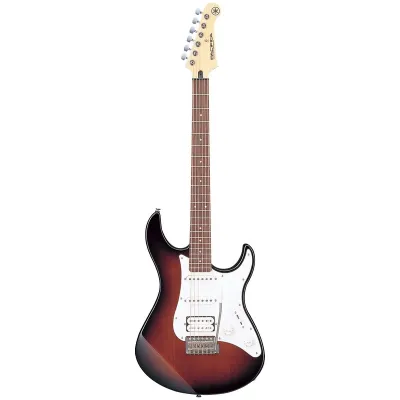


Prices are valid at publication and may change. Please refer to the product page for the latest price.
Additionally, the playability of any new guitar depends heavily on its initial setup. Factory string action—the height of the strings above the frets—can sometimes be set too high, making it painful for beginners to press down on the strings. When evaluating an SG61, check if the strings feel comfortable to press near the first fret and if there is any noticeable fret buzz. Budgeting for a professional setup to adjust the truss rod and bridge height can transform a stiff, painful instrument into a smooth, encouraging learning tool.
Match the Tonal Versatility to Your Musical Goals
The SG61 is traditionally equipped with two humbucking pickups, which deliver a warm, thick, and powerful sound. This electronic configuration is highly suited for rock, blues, and heavy metal, as humbuckers naturally reject electrical hum and handle high-gain distortion exceptionally well. If your musical goals involve learning classic rock riffs or driven lead solos, this pickup layout will deliver those tones effortlessly. However, if you prefer bright, twangy country tones or glassy, pristine funk rhythms, you may find the humbuckers a bit too dark compared to single-coil pickups.

To achieve your desired sounds, you must also consider how the guitar interacts with your amplification setup. While the SG61 provides a strong foundation, a beginner will need a versatile practice amplifier—such as a digital modeling amp—to explore different effects and cabinet simulations without spending a fortune on individual pedals. A modeling amp allows you to simulate various classic rigs directly through headphones, which is essential for keeping your learning budget manageable.
For players living in high-density housing, such as HDB flats in Singapore, acoustic resonance is a vital consideration for late-night practice. The solid mahogany body of an SG61 produces very little unplugged volume, allowing you to practice silently with headphones without disturbing family members or neighbors through shared walls. This quiet acoustic profile ensures you can build your muscle memory at any hour of the day or night without noise complaints.
Evaluate the Learning Curve and Maintenance Needs
Maintaining your guitar is an essential part of the learning process, and the SG61’s hardware configuration offers a relatively straightforward introduction to instrument care. It typically features a fixed Tune-o-matic bridge and stopbar tailpiece, which provides excellent tuning stability compared to guitars with tremolo systems. This means you will spend less time tuning between songs and find the process of changing strings much simpler, allowing you to focus your energy on actual practice.
However, the local climate plays a significant role in how often your guitar will require adjustments. In Singapore’s high humidity, the wood of a guitar neck can absorb moisture, causing it to swell or warp over time. To prevent playability issues, you must monitor the neck relief and learn how to make minor truss rod adjustments, or locate a reliable local guitar technician who can perform seasonal setups. Keeping the instrument in a climate-controlled room or using a dehumidifier in your storage space can greatly extend the lifespan of your setup.
As a beginner, you should also check the availability of replacement parts like tuning pegs, nuts, and output jacks. The SG61 uses standard hardware sizes that are widely stocked by local music shops, making it easy to source replacements if a component wears out. Learning to perform basic maintenance, such as cleaning the fretboard and tightening loose jacks, will save you money and help you understand how your instrument functions.
Decision Matrix: Should You Commit to the SG61?
You should proceed with purchasing an SG61 if you prioritize a lightweight body, desire a warm and powerful humbucker tone for rock or blues, and are comfortable managing the unique neck-heavy balance of the instrument. This guitar provides an excellent platform for players who want a classic look and straightforward hardware that stays in tune easily.
Conversely, you may want to consider alternative body shapes, such as a traditional double-cutaway with single-coil pickups or a contoured offset body, if you find the SG’s neck profile too wide or experience physical discomfort from neck dive. If you are unwilling to invest time in managing humidity-related neck shifts or prefer a lighter, brighter tone for pop and funk, other beginner-friendly models might offer a smoother starting point.
Before making your final decision, plan a trial session at a local music store to physically hold the specific instrument. Pay close attention to how the neck feels in your hand, whether the body balances comfortably on your lap, and if the overall build quality feels solid. Testing the guitar in person is the only way to verify that its physical dimensions and weight distribution match your body type before you invest your hard-earned money.
Frequently Asked Questions (FAQ)
Do I need to buy a specific amplifier to make the SG61 sound good?
You do not need an expensive or highly specific amplifier, but choosing a digital modeling amplifier is highly recommended for beginners. The humbucking pickups on the SG61 have a moderate-to-high output that can easily push a small amplifier into a pleasing, natural overdrive. A modeling amp with built-in headphone jacks and digital effects will allow you to explore a wide variety of tones at low volumes, making it ideal for practicing in quiet home environments.
Can the SG61 be easily upgraded as my skills improve?
Yes, the SG61 is an excellent platform for long-term upgrades because it uses standard electronic and hardware dimensions. As your playing skills develop, you can easily swap out the stock pickups for premium models, upgrade to locking tuners for faster string changes, or install a higher-quality nut to improve sustain. However, you should weigh the cost of these individual upgrades against the price of a new intermediate-level instrument, as extensive modifications can quickly exceed the original value of the guitar.

Community discussion
Share your experience or ask a question. Comments are reviewed before publication.