
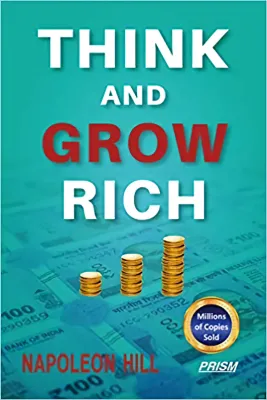
Napoleon Hill’s 1937 classic Think and Grow Rich remains highly relevant today, but primarily as a psychological blueprint for mindset and motivation rather than a practical guide to modern wealth accumulation. Written during the Great Depression, its core philosophy centers on the power of belief, persistence, and structured desire. However, a modern reader must approach the text with a critical eye, separating its timeless psychological insights from outdated financial realities. To build wealth today, one must bridge Hill’s mental frameworks with contemporary financial instruments and risk management strategies.
Core Principles That Still Hold True Today
In an era dominated by digital distractions, instant notifications, and endless choices, having a clear, singular objective is more critical than ever. Hill’s concept of “definiteness of purpose” serves as a powerful antidote to modern “shiny object syndrome,” where individuals jump from one trend to another without making real progress. Defining an exact financial goal and focusing on it intensely prevents cognitive overload and keeps long-term objectives in sight.
Economic cycles, market downturns, and career setbacks are inevitable realities of the modern financial landscape. The book’s exploration of persistence as an essential trait reminds readers that temporary failures are merely feedback loops rather than permanent dead ends. In modern career paths, entrepreneurial ventures, or long-term investing, resilience is often the deciding factor between eventual success and early abandonment.
Products mentioned in this guide
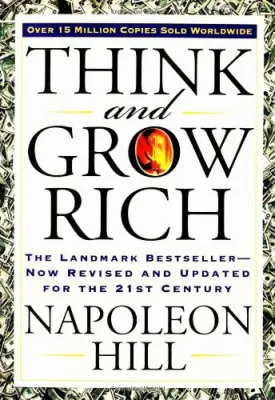
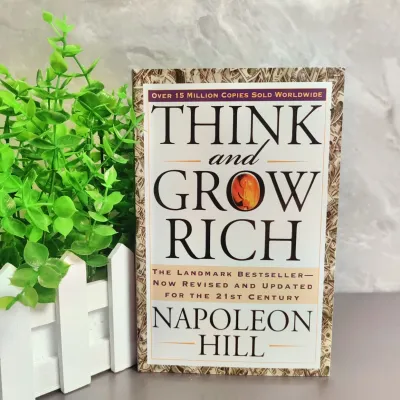
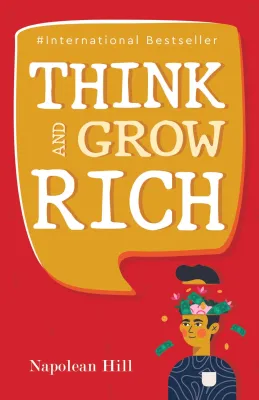
![Think and Grow Rich by Napoleon Hill [EBOOK]](https://img.lazcdn.com/g/p/76ee062792f5c0a0ffa51974517fe11e.jpg_400x400q80.jpg_.webp)
Prices are valid at publication and may change. Please refer to the product page for the latest price.
While the term “auto-suggestion” may sound archaic, it aligns closely with modern cognitive behavioral concepts regarding mindset conditioning. Regularly reinforcing one’s goals and maintaining a positive, opportunity-focused outlook helps individuals navigate highly competitive environments. Cultivating this psychological resilience acts as a vital buffer against burnout and self-doubt in a fast-paced world.
Where the 1937 Advice Needs a Modern Update
Written nearly a century ago, the book naturally predates the modern financial ecosystem. It contains no mention of index funds, exchange-traded funds (ETFs), digital assets, or tax-advantaged retirement accounts. Relying solely on “thinking” and personal salesmanship ignores the mathematical power of compound interest, passive investing, and tax optimization. Modern wealth building requires a practical understanding of these financial instruments, which cannot be replaced by mindset alone.

Hill defined the “Mastermind” as a physical alliance of like-minded individuals working toward a common goal in close proximity. Today, physical boundaries have dissolved, and modern masterminds thrive in digital communities, global professional networks, and online forums. This shift allows individuals to connect with experts and peers worldwide, though it requires greater curation to filter out low-quality interactions and maintain meaningful professional relationships.
The original text heavily emphasizes unwavering persistence, sometimes bordering on reckless commitment to a single idea regardless of changing circumstances. Modern financial planning prioritizes downside protection, diversification, and knowing when to pivot. Pouring all resources into a failing venture without structured risk management can lead to financial ruin; today’s wealth builders must balance persistence with calculated risk assessment.
How to Apply the Framework to Current Financial Goals
To make Hill’s concept of a “burning desire” actionable, readers should translate vague aspirations into structured, time-bound milestones. For instance, instead of aiming to “be rich,” set a specific target, such as accumulating S$100,000 in an investment portfolio within a defined timeframe. This aligns the book’s psychological drive with modern, measurable goal-setting frameworks.
Hill advocated for writing down goals and reading them aloud daily to program the subconscious mind. Today, technology can automate and reinforce these habits through budgeting apps, automated investment platforms, and habit-tracking software. Automating monthly contributions to savings or investment accounts ensures consistency, removing the reliance on daily willpower alone to build wealth.
Actively seek out digital masterminds and professional networks to build a contemporary support system. This involves participating in industry-specific forums, attending virtual webinars, or finding mentors through professional platforms. A modern support system should focus on mutual skill-sharing, objective feedback, and identifying collaborative opportunities in the digital economy.
Who Should Read It and Who Should Look for Alternatives
This book is highly recommended for individuals seeking a foundational mindset shift, those struggling with self-doubt, or anyone needing intrinsic motivation to kickstart their personal development journey. It serves as an excellent psychological primer for understanding the relationship between thought patterns and achievement.
Conversely, readers looking for tactical financial advice, step-by-step investment strategies, asset allocation models, or technical market analysis should look elsewhere. The book does not provide a practical roadmap for navigating modern tax laws, stock markets, or debt management.
For practical personal finance, readers should explore modern classics that focus on behavioral economics, evidence-based investing, or systematic wealth building. Books that detail index fund investing, automated savings, and the psychology of spending offer a necessary pragmatic counterweight to Hill’s philosophical approach.
Frequently Asked Questions (FAQ)
Is Think and Grow Rich considered a get-rich-quick scheme?
No, the book is far from a get-rich-quick scheme. While the title might suggest easy wealth, the actual text emphasizes that success requires intense personal effort, specialized knowledge, organized planning, and relentless persistence over many years. It explicitly warns against expecting something for nothing and highlights that enduring wealth is built on value creation.
Do I need to read the original 1937 version or an updated edition?
The choice depends on your reading goals and preferences. The original 1937 version offers valuable historical context and raw anecdotes from the industrial era, but some language and examples may feel dated. Modernized or annotated editions update these references, clarify archaic terminology, and sometimes add contemporary commentary, making the core principles easier to apply to today’s economic environment. Before purchasing, verify the specific edition, language, medium, and completeness of the text to ensure it matches your learning preferences.
Community discussion
Share your experience or ask a question. Comments are reviewed before publication.