
If you are accustomed to the concise, punchy, and culturally immediate nature of contemporary Singaporean fiction, diving into Leo Tolstoy’s War and Peace represents a massive shift in reading habits. It is worth reading only if you want to trade localized, modern social commentary for a sweeping, slow-burn historical epic that demands dozens of hours of focused attention. If your reading time is limited to short commutes on the MRT or brief windows before bed, the sheer scale of this classic might feel more like a chore than a pleasure. However, understanding how both forms handle deep themes of human struggle can help you decide whether to take the plunge or stick to shorter local works.
Assessing Your Reading Commitment and Goals
Before embarking on a literary journey of this magnitude, it is essential to evaluate whether your current schedule and reading stamina align with the demands of a massive classic novel. A standard contemporary novel, such as a typical work of Singaporean fiction, usually spans 200 to 350 pages. Most readers can comfortably finish such a book within a week of casual reading. In contrast, War and Peace regularly exceeds 1,000 pages depending on the translation and publisher formatting. This translates to an estimated 30 to 50 hours of active reading time, which can easily stretch over several months if you only read a few pages a day.
Beyond the sheer time commitment, you must gauge your genuine interest in 19th-century Russian history, military strategy, and philosophical digressions. Tolstoy does not merely tell a story; he frequently pauses the narrative to deliver lengthy essays on the nature of history, the limitations of military leaders, and the concept of free will. If you prefer tight, fast-paced plotting where every scene directly advances the main storyline, these philosophical chapters may feel tedious and disruptive to your reading flow.
Products mentioned in this guide
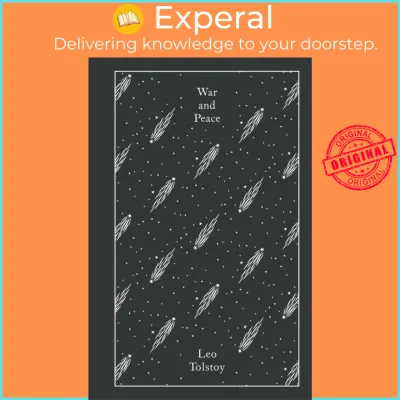
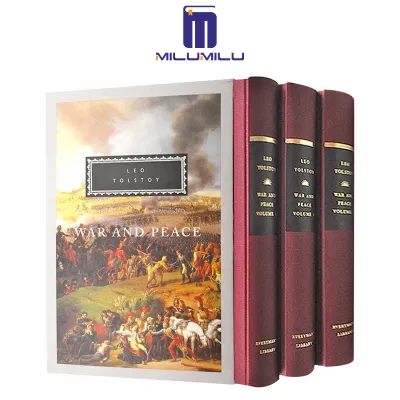
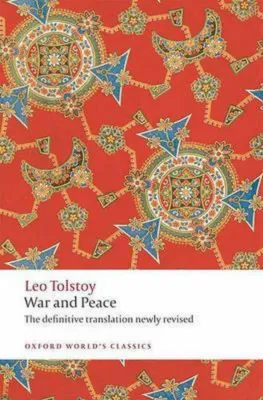
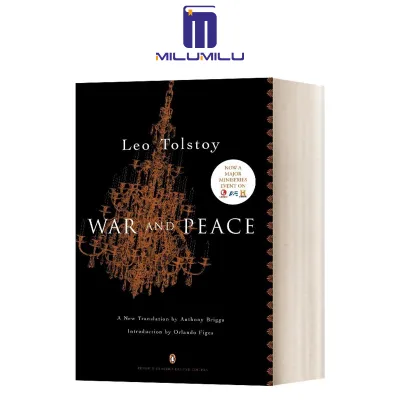

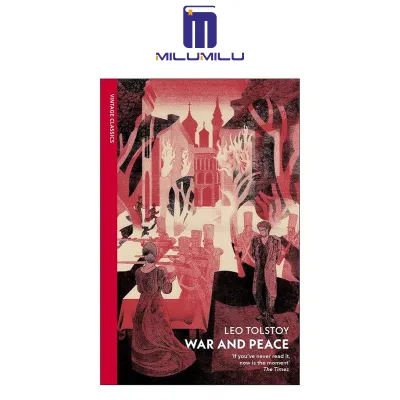
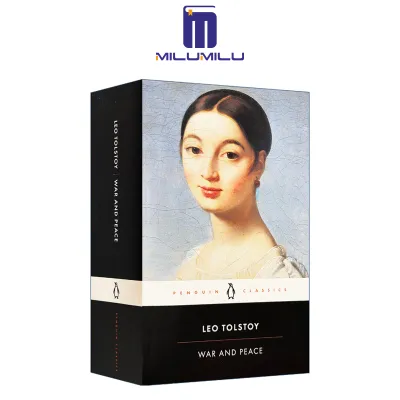
Prices are valid at publication and may change. Please refer to the product page for the latest price.
Furthermore, you must check your tolerance for tracking extensive character lists, complex multi-generational family trees, and shifting narrative perspectives. War and Peace features hundreds of characters, many of whom share similar names, patronymics, and aristocratic titles. The narrative constantly shifts between the domestic lives of several Russian noble families and the chaotic battlefields of the Napoleonic Wars. Keeping track of who is related to whom, who is currently at war, and who is navigating the social circles of St. Petersburg requires a high level of active mental engagement that shorter, more focused novels rarely demand.
Comparing Core Themes: Epic History vs. Localized Experience
To decide if this classic is right for you, it helps to contrast the thematic focus of a sweeping historical epic with the grounded realities found in local literature. War and Peace operates on a macro-level, examining how massive historical events shape individual destinies. The characters are caught in the gears of global warfare, and their personal choices are constantly overshadowed by the decisions of emperors and generals. If you enjoy exploring how grand historical forces influence the human psyche across a vast canvas, the epic scale of Tolstoy’s work offers a unique and deeply rewarding perspective.

Conversely, contemporary Singaporean fiction often excels at exploring micro-level societal shifts within a familiar local context. Instead of grand military campaigns, local authors frequently focus on the rapid transition from kampong life to high-rise HDB estates, the pressures of academic and corporate environments, or the quiet struggles of preserving cultural heritage in a globalized city-state. For many readers, these localized narratives offer a more immediate emotional resonance because the settings, colloquialisms, and social dynamics reflect their own lived experiences or those of their immediate ancestors.
The choice also hinges on whether you seek universal philosophical questions or culturally specific explorations of identity, migration, and belonging. While War and Peace addresses universal human experiences like love, grief, and spiritual searching, it does so through the lens of 19th-century Russian aristocracy. Shorter Singaporean fiction, on the other hand, provides a rich tapestry of multiculturalism, post-colonial identity, and the complexities of living in a rapidly evolving metropolis. If your primary reading goal is to understand the nuances of local identity and regional history, a shelf of diverse Singaporean novels will likely prove more relevant and fulfilling than a single Russian epic.
Identifying Shorter Singaporean Fiction with Comparable Depth
If you decide that a 1,000-page epic is not the right fit for your current lifestyle, you can still find the same thematic depth in shorter, more accessible formats. When searching for local alternatives, look for works that focus on intergenerational family dynamics, rapid societal transitions, or the impact of historical events on ordinary lives. Many Singaporean novels compress decades of family history, migration, and social change into a tight, impactful narrative of fewer than 300 pages, offering a similar emotional weight to a classic epic without the exhausting length.
To ensure a smooth reading experience, always verify the language, edition, and format of the book before making a purchase or borrowing it. Some local works are written in a blend of English and Singlish, which adds authentic local flavor but may require a different reading pace. Additionally, check whether the title is available in your preferred format, whether that is a physical paperback, an e-book for your digital reader, or an audiobook for your daily commute. Ensuring device compatibility and format comfort is key to maintaining a consistent reading habit.
To discover these high-quality local works, utilize local library catalogs, such as those provided by the National Library Board, or visit independent physical bookstores in Singapore. These spaces often feature curated sections dedicated to local literature, where you can browse physical copies and read synopses. Engaging with local literary communities and reading physical book jackets is a highly reliable way to find hidden gems that match your specific thematic interests, bypassing generic online bestseller lists that may overlook regional masterpieces.
Choosing Your Reading Path Forward
Your final decision should align with your current lifestyle, reading goals, and patience levels. If you feel ready for an immersive, multi-layered historical epic and have the discipline to read consistently over several weeks, committing to the original text of War and Peace can be an incredibly satisfying achievement. To make the journey easier, look for highly regarded modern translations that prioritize readability, and consider choosing a physical edition with a comfortable font size and high-quality paper to reduce eye strain during long reading sessions.
If you want to experience the core narrative of the classic but cannot commit to its full length, consider alternative formats. An abridged version can give you the main plotlines and character arcs while cutting out the lengthy philosophical essays. Alternatively, an audiobook format allows you to absorb the story while multitasking, making it easier to progress through the dense narrative during your daily commute or household chores.
Finally, if the sheer scale of the classic feels too daunting, there is no shame in pivoting entirely to a curated selection of shorter local novels. By choosing well-crafted Singaporean fiction, you can satisfy your desire for deep thematic exploration, complex character relationships, and historical context within a much more manageable page count. This path allows you to support local authors while enjoying stories that resonate directly with the cultural landscape you navigate every day.
Frequently Asked Questions (FAQ)
Is it practical to read a massive classic in short daily sessions?
Yes, it is entirely practical if you use the right strategies to maintain continuity. When reading a dense novel like War and Peace in short bursts, keep a character list bookmark handy to quickly recall names and relationships. Many modern editions include a cast of characters at the beginning or end of the book. Additionally, setting a modest daily page target, such as ten to fifteen pages, helps you make steady progress without feeling overwhelmed by the book’s total volume.
How can I discover highly regarded shorter local fiction?
The most reliable way to find quality local literature is to consult resources close to the source. Look up past winners and shortlisted titles of the Singapore Literature Prize, which highlights exceptional local writing across multiple languages. You can also explore the dedicated Singapore collection at public libraries or ask for recommendations from staff at local independent bookstores, who are often highly knowledgeable about regional releases and can suggest titles tailored to your preferences.
Community discussion
Share your experience or ask a question. Comments are reviewed before publication.