
Deciding whether to read Paul Kalanithi’s ‘When Breath Becomes Air’ depends entirely on your current emotional bandwidth and what you want to get out of your next book. This critically acclaimed memoir, written by a young neurosurgeon facing terminal lung cancer, is not a light read or a casual distraction. It is a profound, beautifully written, and emotionally intense exploration of mortality that offers deep philosophical rewards if you are ready to engage with its heavy themes.
Understanding the Core Themes and Emotional Weight
At its heart, the book examines the intersection of medicine, mortality, and the search for meaning. Paul Kalanithi spent years training to save lives, operating at the boundary of life and death. When he received his terminal diagnosis, his perspective underwent a dramatic shift from a clinical, detached observer to a vulnerable patient navigating the healthcare system from the inside. This transition highlights the fragile nature of identity, showing how quickly a life’s trajectory can change.
The narrative does not shy away from the raw realities of physical decline, the emotional toll on relationships, and the heavy burden of grief. Kalanithi explores what happens when the future you meticulously planned vanishes overnight, forcing you to redefine who you are in the present. He writes with a striking honesty that strips away the clinical distance of medicine, leaving behind a deeply human story about facing the end of life.
Products mentioned in this guide

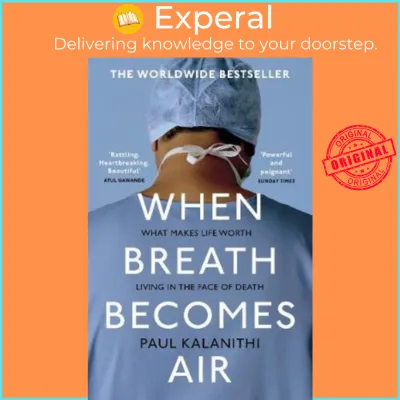
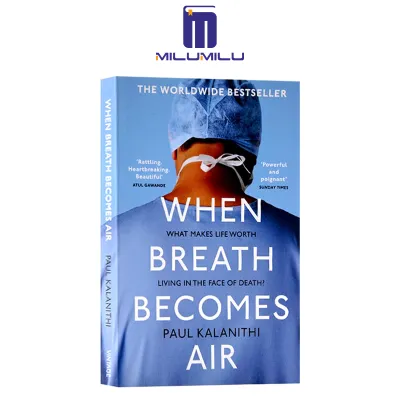
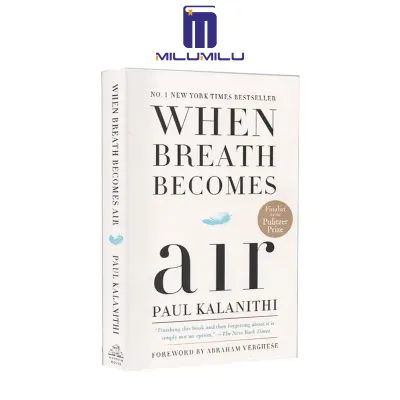

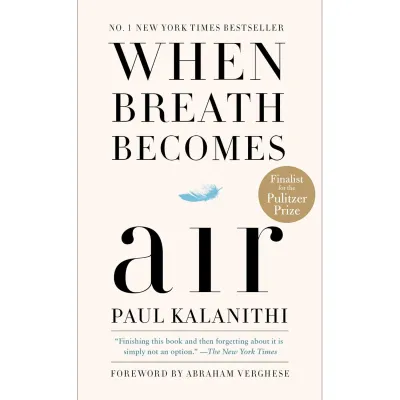
Prices are valid at publication and may change. Please refer to the product page for the latest price.
Yet, the memoir is far from a simple chronicle of dying. It is an active search for what makes life worth living when time is severely limited. By documenting his final months, Kalanithi crafts a legacy that challenges readers to examine their own values, relationships, and existential priorities. The book asks how we can find purpose when our time is cut short, making it a deeply philosophical exploration rather than a mere medical diary.
Self-Diagnosis: Are You Emotionally Ready for This Read?
Before purchasing a copy, it is wise to assess your current mental and emotional capacity. Processing themes of terminal illness, hospital environments, and the inevitability of death requires a certain level of resilience. If you are currently dealing with acute grief, a recent personal loss, or heightened health anxieties, this book may feel too close to home and could trigger unwanted distress.

Consider what you are looking for in your reading life right now. If you need an uplifting escape, a fast-paced distraction, or a comforting story to decompress after a stressful day, this memoir is likely to feel overwhelming. It demands active emotional participation and a willingness to sit with uncomfortable questions about mortality, which can be draining if your mental energy is already depleted.
Conversely, if you are in a reflective state of mind and seeking a cathartic experience, the book can be incredibly rewarding. It provides a safe space to contemplate life’s biggest questions, offering a sense of shared humanity that can feel deeply comforting when you are ready for it. Understanding your own emotional boundaries is the first step in deciding if this is the right moment to open these pages.
Who Will Connect With This Book the Most?
This memoir resonates deeply with readers who appreciate lyrical, literary prose and introspective pacing. Kalanithi was a passionate student of literature and philosophy before choosing medicine, and his writing reflects this background. The narrative moves thoughtfully, prioritizing deep reflection over rapid plot development, making it ideal for those who enjoy savoring every sentence.
Those interested in medical ethics, the psychology of caregiving, and the human side of healthcare will find the book exceptionally compelling. It offers an invaluable perspective for medical professionals, students, and anyone who has ever navigated a complex illness within their family. The book bridges the gap between scientific objectivity and human vulnerability in a way few other memoirs manage to achieve.
Additionally, individuals experiencing personal transitions, career crossroads, or periods of burnout often find a strange comfort in Kalanithi’s journey. His struggle to find purpose amidst uncertainty offers a powerful framework for anyone re-evaluating their own life path and priorities. It serves as a reminder that meaning is not just found in long-term achievements, but in how we inhabit our daily lives.
When to Wait or Choose a Different Book
There are clear situations where putting this book on your temporary ‘to-read’ list is the healthiest choice. If your daily life is currently dominated by high stress, burnout, or caregiving fatigue, adding a heavy narrative about terminal illness might deplete your remaining emotional reserves. Recognizing these limits is a crucial part of maintaining your mental well-being, and there is no shame in waiting for a better time.
If you decide you want to experience the book but worry about emotional fatigue, consider adjusting your reading strategy. Instead of consuming the memoir in a few intense sittings, you can sample the first chapter or read it in smaller, spaced-out sessions. This approach allows you to process the heavy themes gradually, giving yourself permission to step away whenever the emotional weight becomes too heavy.
Alternatively, if you realize the timing is not right, feel free to choose a lighter, more escapist genre for now. The book will still be available when you feel more grounded and ready to engage with its profound reflections. Prioritizing your current mental health over literary trends ensures that when you do eventually read it, you can fully appreciate its depth.
Practical Format and Edition Checks Before You Buy
When you are ready to purchase, selecting the right format can significantly influence your reading experience. A physical paperback or hardcover allows you to pause, highlight passages, and read at a highly reflective, self-regulated pace. E-books offer similar pacing control with the added convenience of adjustable text sizes and instant delivery, which can be helpful if you prefer to read in quiet, private moments.
Regardless of the format you choose, it is essential to verify that your selected edition includes the epilogue written by the author’s wife, Lucy Kalanithi. This final section is crucial, as it provides essential closure, details the completion of the manuscript, and offers a moving perspective on grief and continuation. Most standard retail editions include this, but it is worth double-checking the product description or table of contents before finalizing your purchase.
In Singapore, you can find the book across major physical bookstores and local online marketplaces. Prices typically range from S$15 to S$28 depending on whether you choose a paperback, a special hardcover edition, or an e-book version. Checking local availability online can help you secure a copy in your preferred format without unnecessary delays, ensuring you get a complete and authorized edition.
Frequently Asked Questions (FAQ)
Is the audiobook version recommended for this memoir?
The audiobook can be a deeply moving experience, but it carries a different emotional weight than the printed text. The narrator’s measured, intimate delivery can make the author’s personal reflections feel incredibly immediate and raw, which some listeners find deeply engaging. However, listening on the go makes it harder to pause and process heavy emotions compared to reading a physical copy at your own pace. If you choose the audio format, consider listening in a quiet, reflective space rather than during a busy commute to allow yourself room to process the narrative.
Does the book end on a hopeful or depressing note?
While the book deals with the tragic reality of a young life cut short, the overall takeaway is remarkably life-affirming rather than depressing. The final chapters and the poignant epilogue by Lucy Kalanithi focus on love, resilience, and the enduring power of the human spirit. It leaves readers with a profound sense of gratitude for life and a deeper appreciation for the time we are given, making the emotional journey feel ultimately constructive, hopeful, and deeply inspiring.
Community discussion
Share your experience or ask a question. Comments are reviewed before publication.