
Finding the right Japanese entertainment magazine depends entirely on aligning your specific pop culture interests with the correct publication type, format, and language level. For anime fans, J-pop enthusiasts, and fashion followers, these publications offer unparalleled access to exclusive interviews, high-quality photography, and unique physical collectibles. However, making a smart purchase requires looking beyond the cover art to verify the actual contents, format compatibility, and import logistics.
Key Factors to Evaluate Before Buying a Japanese Magazine
Before purchasing a Japanese magazine, it is essential to establish a clear evaluation process to ensure the publication aligns with your expectations. The first factor to consider is your primary purpose. Are you looking to improve your Japanese language skills, stay updated on specific pop culture trends, or collect exclusive physical merchandise? Defining this goal will help you decide whether a physical print copy or a digital edition is more suitable for your needs.
Language proficiency is a significant consideration when buying imported media. The vast majority of Japanese entertainment magazines are published exclusively in Japanese. While some global fashion titles have regional editions translated into other languages, these are separate publications with different content and release schedules. If you are using the magazine for language learning, look for publications that include phonetic guides over kanji characters, which are common in manga magazines aimed at younger demographics but rare in adult fashion or music journals.
Products mentioned in this guide
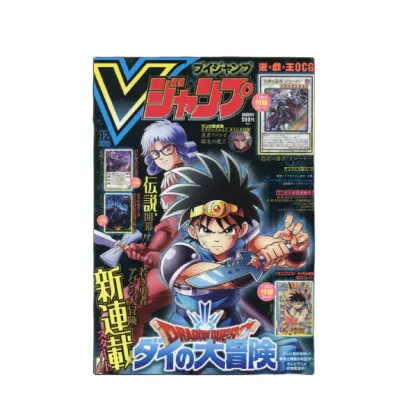
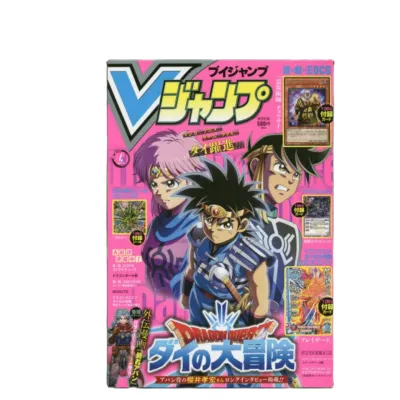
Prices are valid at publication and may change. Please refer to the product page for the latest price.
The choice between physical and digital formats involves several trade-offs. Physical magazines offer high-quality paper, vibrant color printing, and tangible collectibility. They also frequently include exclusive physical gifts, known as furoku. However, physical copies are heavy, require storage space, and incur high international shipping costs. Digital editions offer instant delivery, lower purchase prices, and zero shipping fees. The critical drawback of digital editions is that they often omit the physical supplements and may redact specific celebrity photos, interviews, or entire pages due to strict talent agency copyright regulations.
Regional restrictions can complicate the purchase of digital Japanese magazines. Many official Japanese e-book platforms enforce geographic blocks based on IP addresses or require payment methods issued by Japanese banks. Before committing to a digital subscription, verify the platform’s international accessibility, device compatibility, and accepted payment methods. Additionally, check the publication frequency of your chosen title. Japanese magazines operate on weekly, monthly, bimonthly, or quarterly schedules. Understanding these cycles helps you plan your budget and manage subscription expectations effectively.
Anime and Manga Publications: How to Find Your Preferred Genres
Navigating the expansive world of Japanese anime and manga publications requires an understanding of how these magazines are structured and categorized. The Japanese publishing industry organizes manga magazines primarily by target demographic rather than genre. Shonen magazines target young boys and typically feature action-packed, adventure-focused stories. Shojo magazines are aimed at young girls, focusing on romance, interpersonal relationships, and emotional development. For older readers, seinen magazines offer complex plots, psychological themes, and detailed artwork for adult men, while josei magazines provide realistic portrayals of work, romance, and daily life for adult women. Identifying these demographic categories allows you to narrow down your search to publications that match your thematic preferences.

It is also important to distinguish between manga anthologies and anime news journals, as their content structures are entirely different. Manga anthologies are thick, phonebook-sized volumes printed on inexpensive newsprint. They contain the latest serialized chapters of multiple ongoing manga series, with very little editorial content or news. In contrast, anime news journals are printed on high-quality, glossy paper and focus on the broader animation industry. These journals feature character design sheets, director commentary, voice actor interviews, industry news, and promotional posters, making them ideal for fans who want behind-the-scenes insights rather than serialized comics.
To avoid disappointment, always perform specific verification steps before making a purchase. Never rely solely on the cover art to determine the contents of an issue. Publishers frequently feature popular characters or high-profile voice actors on the cover even if their actual coverage inside is limited to a single page or a brief mention. Before buying, visit the publisher’s official website or check the digital table of contents to verify the exact articles, interviews, and series featured in that specific issue number.
For readers beginning their research, historically recognized publication types serve as excellent starting points. Weekly shonen anthologies are the most accessible way to follow mainstream action and adventure series as they release in Japan. Meanwhile, monthly anime news journals are the preferred choice for fans who want to collect high-quality pin-ups, read in-depth production interviews, and keep track of upcoming seasonal anime releases.
J-Pop and Idol Magazines: Tracking Your Favorite Artists
For music and idol enthusiasts, selecting the right Japanese magazine involves identifying publications that offer meaningful, high-quality coverage of your preferred artists. The J-pop publishing landscape is highly specialized, with different titles focusing on distinct segments of the music industry. Some magazines cover mainstream chart-topping artists and general music trends, while others are dedicated entirely to idol culture, featuring extensive photo shoots and personal interviews with members of popular male or female idol groups. There are also niche publications that focus exclusively on visual kei bands, indie rock scenes, or talents from specific entertainment agencies.
When evaluating a J-pop or idol magazine, look for the presence of exclusive content that justifies the purchase of a physical copy. High-quality, exclusive photo spreads and long-form, intimate interviews are the hallmarks of premium music journalism in Japan. These features are rarely published online in their entirety due to strict copyright policies, making the physical print edition the only way to access the complete content. Detailed concert reports, behind-the-scenes studio diaries, and artist-written columns also add significant value for dedicated fans.
Physical merchandise and supplements are major selling points for J-pop and idol publications. Magazines frequently include collectible items such as double-sided fold-out posters, trading cards, clear files, or promotional CDs. If you are purchasing these magazines from international online marketplaces or second-hand sellers, always verify the condition of the item and confirm whether the supplements are included. Many second-hand listings sell the magazine alone at a lower price after removing the collectible bonuses.
Finally, consider the long-term archival value of the publication. Special memorial issues, anniversary editions, and graduation features—which document an idol’s final activities before leaving a group—hold immense sentimental and collectible value. These issues often sell out quickly upon release and are preserved by fans as historical records of an artist’s career milestones. Investing in these special editions is highly recommended for collectors who want to preserve a physical piece of J-pop history.
Japanese Fashion Magazines: Navigating Styles and Subcultures
Japanese fashion magazines are world-renowned for their distinct styling philosophies, high production values, and highly targeted content. To find a magazine that aligns with your personal style, you must first understand the various style subcultures represented in the Japanese publishing market. Streetwear publications focus on casual, urban fashion, sneaker culture, and youth trends. Minimalist magazines emphasize simple, high-quality basics, sustainable wardrobes, and clean aesthetics. Gyaru and alternative subculture titles showcase bold, expressive, and highly stylized trends that challenge mainstream norms. High-end luxury magazines highlight international designer collections adapted specifically for Japanese styling sensibilities.
In addition to style subcultures, Japanese fashion magazines are strictly segmented by target demographics, including age brackets and gender presentations. Some titles are tailored specifically for teenagers and university students, featuring affordable, casual, and school-friendly outfits. Other publications cater to working professionals in their twenties, thirties, or forties, focusing on sophisticated office wear, high-quality lifestyle curation, and premium cosmetics. Matching the magazine’s target demographic with your personal age group and style goals ensures that the fashion advice and brand recommendations are practical and relevant to your daily life.
The practical utility of a fashion magazine is another crucial factor to assess. Many Japanese fashion publications are famous for their highly detailed, actionable layouts rather than just abstract editorial photography. Look for titles that feature multi-day outfit coordination calendars, which demonstrate how to style a limited number of clothing items in dozens of different ways. Detailed brand directories, step-by-step hair styling tutorials, and makeup application guides with product recommendations are also common, providing immense practical value for readers looking to refine their personal grooming and style.
If the cost of importing heavy physical fashion magazines is prohibitive, exploring digital alternatives is highly recommended. Many Japanese fashion publishers maintain active official web portals, digital lookbooks, and social media channels that offer high-quality styling inspiration for free. While these digital platforms may lack the exclusive physical gifts included with print copies, they provide a highly cost-effective and space-saving way to track seasonal trends and discover new Japanese fashion brands.
How to Source and Import Japanese Magazines to Singapore
Sourcing and importing Japanese magazines to Singapore requires a practical understanding of the logistical checks and retail channels available to international buyers. For physical copies, local specialty bookstores are the most straightforward option. Major Japanese book chains located in Singapore’s central business district or the Orchard Road shopping belt carry a wide selection of current Japanese magazines, including fashion, anime, and music titles. While purchasing locally allows you to inspect the physical condition of the magazine before buying, these retail outlets often apply a markup to cover import costs, making them more expensive than the original cover price in Japan.
Directly importing magazines via international e-commerce platforms or publisher subscriptions is a viable alternative, especially for securing rare titles or regular monthly issues. However, shipping fees can easily exceed the cost of the magazine itself due to the weight of high-gloss paper. When ordering, compare standard shipping options, which are more economical but can take several weeks, with express courier services that offer fast delivery and tracking at a premium price. For bulk imports, keep in mind Singapore’s customs regulations and import taxes. Ensure your total order value, including shipping costs, is calculated carefully to avoid unexpected customs clearance fees upon arrival.
Upon receiving a physical import, conduct a thorough condition check immediately. Inspect the package for bent corners, spine creases, or water damage that may have occurred during transit. Crucially, verify that all advertised physical supplements, such as bags, cosmetics, or collectible cards, are present and undamaged. If any items are missing or damaged, contact the retailer immediately with photographic evidence to request a replacement or refund.
For those who prefer digital convenience, navigating official Japanese e-book storefronts is a highly efficient option. To purchase digital magazines, you must create an account on a Japanese digital bookstore platform. Ensure the platform accepts international credit cards or global digital payment methods, as some storefronts restrict transactions to Japanese-issued cards. Additionally, verify whether the platform requires you to download a proprietary e-reader application and check its compatibility with your smartphone, tablet, or computer operating system before making a purchase.
Frequently Asked Questions (FAQ)
Can I read Japanese magazines digitally outside of Japan?
Yes, reading Japanese magazines digitally from outside of Japan is entirely possible, though it requires navigating specific platform requirements. Many official Japanese e-book storefronts allow international users to purchase and read digital magazines, but some may enforce regional IP blocks or restrict payment methods to Japanese-issued credit cards. To bypass these limitations legally, you can use global digital book platforms that partner directly with Japanese publishers, or select Japanese e-book stores that explicitly accept international credit cards and do not require a Japanese billing address. Always verify whether the platform requires a dedicated reading application and check if that app is compatible with your device’s operating system before completing your purchase.
Do Japanese entertainment magazines include exclusive merchandise?
Yes, many physical Japanese entertainment, fashion, and anime magazines are famous for including exclusive merchandise known as furoku. These supplementary items are designed in collaboration with popular brands or anime franchises and can range from designer tote bags, pouches, and cosmetic samples to exclusive posters, clear files, and collectible trading cards. When purchasing these magazines from international online marketplaces or second-hand retailers, always read the product description carefully to confirm if the furoku is included. Some sellers list the magazine alone at a lower price after removing the merchandise, so verifying the completeness of the package before buying is essential to avoid disappointment.
Community discussion
Share your experience or ask a question. Comments are reviewed before publication.