
Jason Reynolds’s books offer some of the most profound avenues for personal growth and self-improvement available in contemporary literature, despite being primarily categorized as young adult and middle-grade works. While he does not write traditional, step-by-step self-help manuals, his novels, poetry, and narrative non-fiction serve as powerful catalysts for emotional development. By exploring themes of resilience, identity, systemic challenges, and empathy, his writing provides readers of all ages with the tools to reflect on their own lives and choices.
Choosing to read his work for personal development requires a shift in how we approach self-improvement literature. Instead of looking for abstract theories or rigid productivity frameworks, readers engage with deeply human stories that mirror real-world struggles. This thematic guide will help you navigate his bibliography, allowing you to select the specific titles and formats that align with your current personal growth goals.
How to Choose Jason Reynolds Books for Self-Improvement
Selecting the right book begins with identifying the specific area of personal development you want to address. Reynolds writes across several distinct literary formats, and each format serves a different learning style. If you are looking for direct, poetic encouragement to overcome creative blocks or self-doubt, his inspirational letters and standalone poetry are the best starting points. For those seeking to build daily discipline, understand the power of mentorship, or navigate interpersonal relationships, his realistic fiction offers relatable, character-driven models of growth.
Products mentioned in this guide


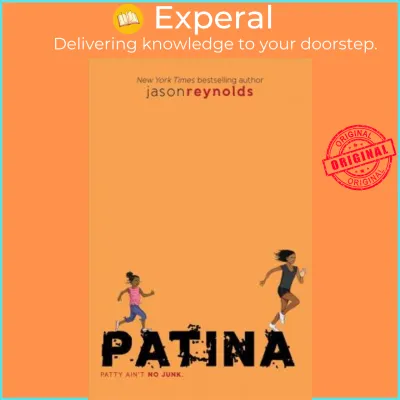
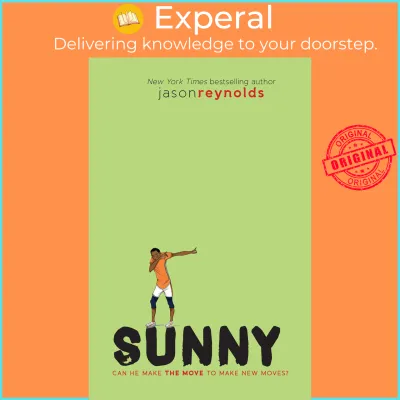

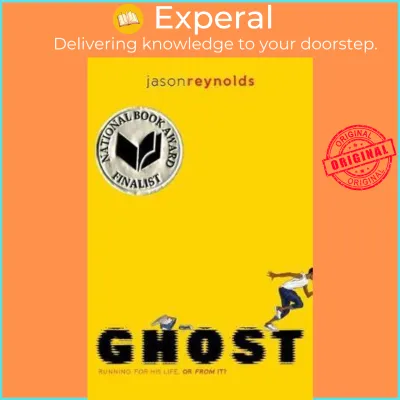

Prices are valid at publication and may change. Please refer to the product page for the latest price.
If your self-improvement goals are focused on expanding your social awareness, dismantling internal biases, or understanding historical contexts, his narrative non-fiction and collaborative works are highly effective. These books encourage active reflection on how you fit into the wider world and how you can contribute to positive social change. Mapping your personal goals to these specific genres ensures that the book you choose matches your current emotional and intellectual needs.
Additionally, you should consider your preferred reading format, as the delivery of Reynolds’s work significantly influences its impact. His writing is deeply rooted in the oral tradition, featuring rhythmic prose and spoken-word influences that translate exceptionally well to auditory formats. If you struggle to connect with traditional print, or if you want to experience the full emotional cadence of his verse, choosing an audiobook narrated by the author can dramatically enhance your comprehension and personal reflection.
Jason Reynolds Titles for Motivation and Mindset
When you need a direct boost of motivation or a shift in mindset, For Every One serves as an essential starting point. Originally written as a poem that Reynolds performed, this book is structured as a personal letter addressed to anyone who harbors a dream but fears they lack the tools or timing to achieve it. It does not offer empty platitudes about easy success; instead, it validates the exhaustion, fear, and vulnerability that accompany the pursuit of a creative or personal goal. By acknowledging that the hustle itself is a form of progress, the book helps readers redefine failure and find the courage to keep moving forward.

For a more narrative exploration of discipline and mindset, the Track series—beginning with the novel Ghost—provides an excellent framework for building internal resilience. The series follows four diverse kids from different backgrounds who are chosen for an elite middle-school track team. The first book focuses on Castle Cranshaw, a boy who has been running from his traumatic past his entire life. Through the structured environment of the track team and the guidance of a dedicated mentor, Castle learns to channel his raw, chaotic energy into focused, productive growth.
While the Track series is written for middle-grade readers, adult readers can extract universal lessons regarding accountability, self-belief, and the importance of community. The characters’ journeys demonstrate that talent alone is insufficient; true growth requires vulnerability, the willingness to accept feedback, and the discipline to show up consistently. Reading these coming-of-age arcs allows you to reflect on your own formative experiences and identify where you might still be running from your past rather than building your future.
Books for Building Empathy and Social Awareness
Personal growth is not merely an internal, individual process; it also involves expanding your capacity for empathy and understanding the diverse experiences of others. Stamped: Racism, Antiracism, and You, co-authored with Ibram X. Kendi, is a vital tool for readers looking to build social awareness and engage in active antiracist growth. This book is a “remix” of Kendi’s scholarly work, designed to make complex historical narratives accessible, fast-paced, and highly engaging. It challenges readers to examine their own inherited biases and understand how historical structures continue to influence modern social dynamics.
To foster empathy on a more interpersonal level, Look Both Ways: A Tale Told in Ten Blocks offers a unique structural approach to perspective-taking. The book consists of ten interconnected short stories, each focusing on a different child walking home from the same school. By giving readers a glimpse into the private lives, hidden struggles, and unique personalities of these children, Reynolds reminds us that everyone we encounter is navigating their own complex realities. This book encourages readers to practice active curiosity and compassion in their daily interactions, recognizing that a single block of travel can contain a multitude of unseen human experiences.
When purchasing books aimed at social awareness, it is important to verify the specific edition, co-author credits, and publication details. Because works like Stamped exist in multiple versions tailored for different age groups—including young adult editions and adapted versions for younger readers—checking the product specifications ensures you receive the text that best matches your reading preferences and learning goals. Look for editions that include discussion guides or author notes, as these supplementary materials provide valuable prompts for deeper self-reflection.
Navigating Grief, Choices, and Emotional Resilience
Building emotional resilience often requires confronting difficult truths, processing grief, and understanding the weight of our moral choices. Long Way Down is a powerful, novel-in-verse that explores these themes with intense, real-time focus. The entire narrative takes place during a sixty-second elevator ride, during which fifteen-year-old Will must decide whether to avenge his brother’s murder. As the elevator stops at each floor, Will is visited by the ghosts of people who lost their lives to the same cycle of violence, forcing him to confront the reality of his choices.
The verse format of Long Way Down makes the emotional weight of the story incredibly concentrated, allowing readers to experience the character’s internal conflict with striking immediacy. It serves as a profound study in decision-making under pressure, the power of grief, and the difficulty of breaking destructive generational cycles. By witnessing Will’s struggle, readers are prompted to examine their own automatic responses to pain and anger, encouraging a more conscious, reflective approach to personal conflict.
Similarly, All American Boys, co-authored with Brendan Kiely, examines personal accountability and social justice through a dual-perspective narrative. The book follows two teenagers—one Black, one white—as they navigate the fallout of an act of police brutality in their community. The story forces both characters, and consequently the reader, to confront uncomfortable questions about privilege, complicity, and the courage required to stand up for what is right. It is an excellent resource for readers looking to build moral courage and understand the complexities of systemic issues.
Because these titles deal with heavy, mature themes such as grief, systemic violence, and trauma, readers should approach them with an awareness of their own emotional readiness. It can be helpful to plan your reading pace accordingly, allowing yourself time to pause, process, and reflect on the chapters rather than rushing through the narrative. Recognizing your emotional boundaries and giving yourself space to digest these intense themes is itself an important exercise in self-care and emotional intelligence.
Buying Guide: Formats, Editions, and Reading Order
To get the most out of Jason Reynolds’s work, it is helpful to understand how different formats can alter your reading experience. Physical books, particularly for his novels-in-verse like Long Way Down, allow you to visually appreciate the layout of the text, where line breaks and white space are used intentionally to convey silence, tension, or rapid thought. E-books offer the convenience of portability and the ability to easily highlight key passages, definitions, or quotes that resonate with your personal growth journey.
However, audiobooks are often the most highly recommended format for Reynolds’s poetry and verse novels. Because his writing style is deeply rhythmic and influenced by spoken-word poetry, hearing the text read aloud—frequently by Reynolds himself—adds a layer of emotional depth and nuance that can be missed on the printed page. If you are looking to build a consistent reading habit but find physical books challenging to finish, starting with an audiobook can make the experience more engaging and accessible.
When planning your reading sequence, keep in mind that most of his fiction titles are designed to stand alone, giving you the flexibility to choose books based on the specific theme you want to explore first. Even within the Track series, each book focuses on a different character’s perspective, meaning you can technically read them out of order. However, to fully appreciate the cumulative character growth, the evolving team dynamics, and the compounding lessons of community and self-discipline, reading the series in its publication order—Ghost, Patina, Sunny, and then Lu—is highly recommended.
Before making a purchase, always verify the language, edition, publisher, and regional availability to ensure you receive the complete, intended text. Some international editions or specific printings may include exclusive forewords, author interviews, or reading group discussion guides that are not present in standard editions. These extra features are incredibly valuable for self-improvement, as they provide structured questions that can guide your personal reflection or facilitate meaningful discussions in a book club setting.
Frequently Asked Questions (FAQ)
Are Jason Reynolds books only for young adults?
No, his books are not exclusively for young adults. While his primary target audience is middle-grade and young adult readers, the core themes of identity, systemic challenges, emotional resilience, and human connection are universally applicable to readers of all ages. The accessible language, fast pacing, and emotional honesty of his writing make his books excellent choices for adults who are looking for impactful, concise reads that provoke deep self-reflection without the dense jargon often found in traditional self-help literature.
Should I read the Track series in order for the best character growth?
Yes, reading the Track series in publication order is highly recommended for the best experience of character growth. While each of the four books (Ghost, Patina, Sunny, and Lu) focuses on a different member of the track team and can function as a standalone story, the characters’ personal lives and challenges overlap significantly. Reading them sequentially allows you to witness how the characters learn to support one another, how their individual discipline contributes to the collective strength of the team, and how their personal growth arcs compound over time.
Community discussion
Share your experience or ask a question. Comments are reviewed before publication.