
Selecting the right sheet music stand or folder requires balancing your instrument’s physical demands with your specific performance environment. Whether you are practicing in a space-conscious apartment, performing on a vibrant stage, or teaching in a studio, the structural design of your support equipment directly impacts your posture, focus, and performance quality. By evaluating stability, adjustability, and portability, you can find a setup that keeps your music secure and perfectly positioned.
König & Meyer offers a diverse range of stands and accessories designed to accommodate different playing styles and environments. Understanding how these structural variations align with your daily routine is the first step toward making an informed investment. From lightweight folding models to heavy-duty orchestral desks, each design serves a distinct purpose in a musician’s workflow.
Assessing Your Playing Environment and Physical Needs
Before choosing a stand, you must evaluate the physical constraints of your primary practice and performance spaces. In space-constrained urban homes, such as high-rise apartments in Singapore, finding a dedicated practice area can be a challenge. A stand with an exceptionally wide tripod footprint might clutter a small room or block walkways, whereas a compact base or a desktop model can integrate seamlessly into a tight corner. Conversely, larger rehearsal halls and open stages provide the physical clearance needed for robust, wide-base stands that prioritize maximum stability over space conservation.
Products mentioned in this guide
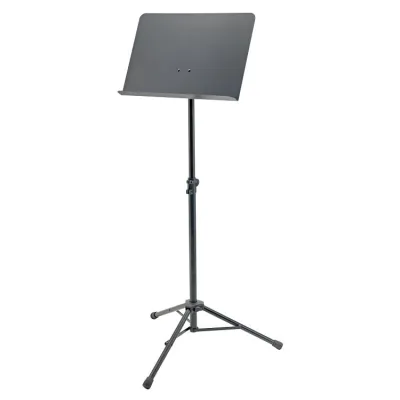
Prices are valid at publication and may change. Please refer to the product page for the latest price.
Floor surfaces also dictate the type of stand base you require. Polished parquet, marble, or tiled floors are highly susceptible to scratches and can cause lightweight stands to slide during energetic playing. For these surfaces, stands equipped with thick, non-slip rubber feet are essential to protect the flooring and maintain traction. On carpeted floors, a heavier base is often necessary to prevent the stand from wobbling or sinking unevenly, especially when supporting heavy music books.
Your playing posture—whether seated or standing—determines the required height range and tilt adjustability of your stand. Seated musicians, such as cellists, classical guitarists, and pianists, need a stand that can be lowered significantly so that the sheet music remains at eye level without obstructing their view of the instrument or a conductor. Standing performers, including vocalists, violinists, and flute players, require a stand with a high maximum extension to prevent them from slouching, which can restrict breathing and compromise technique. The desk’s tilt mechanism must also adjust smoothly to eliminate glare from overhead stage lights or bright windows.
Environmental factors like wind and structural vibrations demand specific design choices. If you perform outdoors on a balcony, in a park, or at an open-air venue, a lightweight folding stand will easily catch the wind and tip over. Outdoor settings require a heavier, solid-desk stand paired with secure page anchors. Similarly, stages with high levels of low-frequency vibration—often caused by bass amplifiers or drum kits—can cause loose stand joints to slip or rattle, making robust locking mechanisms and vibration-dampening construction a necessity.
Key Features to Compare Across Stands and Folders
When comparing different sheet music stands, the base construction is one of the most critical structural elements to analyze. Tripod bases are the traditional choice for portable stands, utilizing three folding legs that distribute weight evenly across a wide area. Solid, flat bases—often made of heavy cast iron—provide exceptional stability with a much smaller floor footprint, making them ideal for crowded orchestra pits or tight studio spaces, though they are significantly heavier to transport. Folding mechanisms also vary, ranging from simple manual tension screws to advanced spring-loaded snap locks that allow for rapid setup and teardown.

Desk designs are divided into solid plates, perforated plates, and folding frames. Solid desks, typically constructed from steel, aluminum, or heavy-duty plastics, offer a continuous, flat writing surface that is perfect for making quick pencil annotations during rehearsals. Perforated desks feature cut-out patterns that reduce the overall weight of the stand and minimize wind resistance during outdoor performances. Folding desks, found on highly portable stands, collapse into a compact, rod-like shape but offer minimal support for single sheets of paper and have a shallower lip depth.
The depth of the desk lip and its extension capabilities determine how much music the stand can hold. A shallow lip is sufficient for single sheets or thin booklets, but thick anthologies, heavy binders, or digital tablets require a deep lip to prevent them from sliding off. Some advanced desks feature extendable side panels or auxiliary shelves, allowing you to display three or four pages of music side-by-side, which minimizes the frequency of page turns during complex pieces.
Material build and joint locking mechanisms directly influence a stand’s long-term durability and weight capacity. Steel stands offer unmatched strength and resistance to physical impact, making them the standard for stationary studio use, though they are heavy to carry. Aluminum stands provide a lightweight alternative that is highly resistant to corrosion, making them excellent for traveling musicians. The joints—where the telescoping shafts meet—typically use either plastic clamping levers, steel screw knobs, or friction-based slide systems. Clamping levers allow for rapid, tool-free adjustments, while screw knobs provide a highly secure lock when tightened correctly, and friction joints offer silent, on-the-fly height adjustments.
Matching Stands and Folders to Your Instrument and Setup
Orchestral musicians and seated ensemble players require stands that blend into a professional stage environment while operating silently. In these settings, stands with friction-based height adjustment systems are highly valued because they allow players to adjust the height and tilt of the desk silently mid-performance, without the distracting clicking or squeaking of screw knobs. Compact, low-profile bases are also essential, as they allow multiple stands to be positioned close together in tight orchestral sections without the legs overlapping or creating tripping hazards.
Guitarists, keyboardists, and standing performers have unique spatial requirements. Guitarists need a stand that can be positioned close to their body without the base interfering with their instrument’s body or their foot pedalboards. Keyboardists often require stands that can extend high enough to clear the top of a multi-tier keyboard rig while remaining stable enough to resist the vibrations of energetic playing. Standing vocalists and wind players benefit from heavy-duty floor stands with wide footprints that can withstand accidental bumps on a busy stage.
For marching, outdoor, and highly mobile use, portability and security are the primary concerns. Marching brass and woodwind players rely on instrument-specific lyres—small, spring-loaded metal clamps that attach directly to the instrument’s tubing to hold small music cards. For outdoor performances, a lightweight but sturdy folding stand must be paired with wind clips or a transparent plastic shield to keep pages from blowing away. Folders used in these environments should feature anti-glare plastic sleeves to maintain readability under direct sunlight or harsh stage lighting.
Desktop and studio production setups often lack the floor space required for a traditional stand. In these environments, clamp-on music stands that attach directly to the edge of a desk, a synthesizer stand, or a microphone pole are excellent space-saving solutions. Alternatively, weighted desktop stands can sit directly on a mixing console or computer desk, keeping reference sheets, lyric sheets, or tablets at eye level next to your studio monitors without cluttering your workspace.
Choosing the Right Sheet Music Folders and Accessories
An often-overlooked component of a musician’s setup is the sheet music folder, which protects valuable scores and ensures smooth page turns during live performances. High-quality folders are constructed from durable, water-resistant materials like heavy-duty polypropylene or reinforced cardboard, which shield paper scores from sweat, spills, and high humidity. The binding mechanism—whether it uses standard three-ring binders, elastic bands, or plastic sleeves—affects how flat the folder lies when open. For choral singers and soloists, folders equipped with an ergonomic hand strap on the spine allow for secure, single-handed holding during long performances.
Accessories can significantly enhance the functionality of your music stand. Pegs and magnetic page holders are invaluable for securing loose sheets of paper on steel desks, preventing them from sliding or falling. For dark orchestra pits, dimly lit stages, or late-night home practice, clip-on LED music stand lights are essential. When selecting a light, look for models with adjustable brightness levels, a flexible gooseneck for precise positioning, and a wide clip that can securely attach to both thick solid desks and thin folding frames.
Before purchasing, always verify the compatibility between your sheet music folder and the desk dimensions of your chosen stand. A folder that is too wide or heavy can overhang the edges of a small folding stand, making the entire setup top-heavy and prone to tipping. Ensure that the stand’s lip is deep enough to accommodate the thickness of your folder when it is fully loaded with scores, allowing the folder to rest securely against the backplate.
Pre-Purchase Checklist and Long-Term Care
To ensure your music stand and accessories provide reliable service for years to come, it is important to follow a systematic pre-purchase evaluation and a regular maintenance routine.
Before finalizing your purchase, cross-check the manufacturer’s specifications against your actual equipment needs:
- Maximum Load Capacity: Verify that the stand can support the weight of your heaviest music books, folders, or digital devices.
- Height Range: Ensure the minimum and maximum height limits accommodate both your seated and standing playing positions.
- Folded Dimensions: If portability is a priority, check the collapsed dimensions to ensure the stand fits into your gig bag or vehicle.
- Desk Lip Depth: Confirm the lip is deep enough to hold your thickest binders or folders without them slipping off.
Upon receiving your stand, conduct a thorough initial inspection of all moving parts. Check that the rubber feet are securely seated on the legs and do not slide off easily. Test all locking knobs, clamping levers, and folding hinges to ensure they operate smoothly without binding or sticking. Inspect the threads on the screw knobs to ensure they are clean and free of manufacturing defects that could lead to stripping over time.
Long-term care is vital, especially in warm, humid climates like Singapore, where moisture can accelerate the wear of metal components. Periodically wipe down the metal shafts and desk with a dry microfiber cloth to remove sweat, fingerprints, and ambient moisture. Avoid over-tightening the screw knobs, as excessive force can strip the threads and permanently damage the locking mechanism. Once a year, apply a small drop of silicone-based lubricant to the joints and screw threads to keep the adjustment mechanisms operating smoothly and prevent rust from forming.
Frequently Asked Questions (FAQ)
Can I attach a tablet or laptop holder to a standard sheet music stand?
Whether you can attach a digital device holder depends entirely on the structural design and weight capacity of your music stand. Heavy-duty stands with solid steel shafts and wide, weighted bases can easily support clamp-on tablet holders, provided the total weight does not exceed the manufacturer’s specified load limit. However, lightweight folding stands are not designed to support the off-center weight of a tablet or laptop. Attaching a heavy device to a thin, collapsible stand makes the setup highly top-heavy, creating a severe tipping risk that could damage your device. Always use dedicated, robust stands or specialized mounting hardware designed specifically for digital devices.
How do I prevent a folding music stand from slipping on smooth floors?
Preventing a folding stand from slipping on smooth surfaces like polished wood, tile, or marble requires maintaining the integrity of the stand’s feet and managing its center of gravity. First, inspect the rubber feet on the tripod legs; if they are worn down, cracked, or missing, replace them immediately to restore traction and protect your floors. If the feet are in good condition but still slipping, placing a small, non-slip silicone mat or a piece of carpet under the stand can provide the necessary grip. Additionally, ensure the tripod legs are fully extended to their widest stable position, and keep the center shaft as vertical as possible to keep the center of gravity low and balanced.
Community discussion
Share your experience or ask a question. Comments are reviewed before publication.