
Choosing your first ukulele is an exciting step, but navigating the entry-level market can feel overwhelming. Lanikai is a prominent name for beginners, recognized for its accessible designs and reliable playability. However, determining whether a Lanikai ukulele is the right choice—or if an alternative brand would serve you better—requires a close look at your playing goals, budget, and physical comfort. By focusing on verifiable specifications such as wood types, construction quality, and factory setup standards, you can confidently compare Lanikai against other popular beginner brands to find the instrument that best fits your musical journey.
Defining Your Beginner Ukulele Needs
Before comparing specific brands, you must clarify how you plan to use your ukulele. A casual hobbyist who wants to strum chords at home has different requirements than a student enrolling in formal music lessons. If you plan to travel frequently with your instrument, durability and size will be your primary concerns, whereas a student might prioritize precise intonation and a traditional tone.
The physical size of the ukulele is one of the most critical decisions you will make. Ukuleles generally come in four primary sizes: soprano, concert, tenor, and baritone. Soprano is the traditional, smallest size, offering a bright, classic sound that suits smaller hands but can feel cramped for players with larger fingers. Concert and tenor sizes offer larger bodies, longer fretboards, and deeper, warmer tones, making them highly popular for adult beginners who need more room to navigate the frets.
Products mentioned in this guide
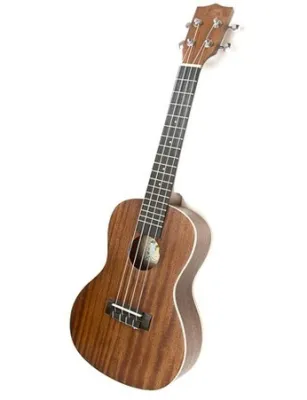
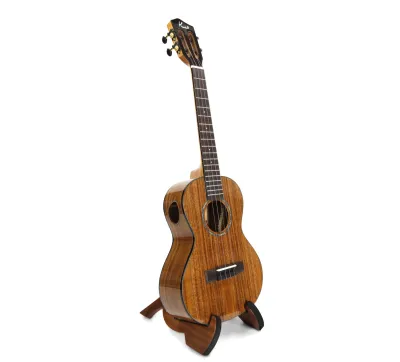
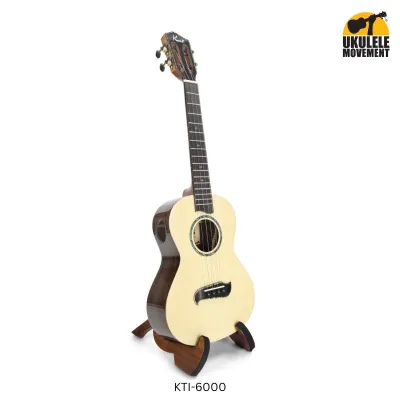
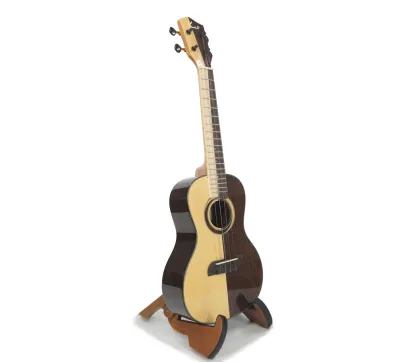
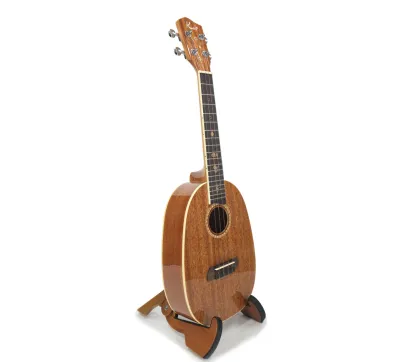
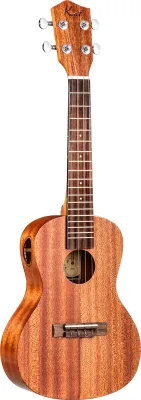
Prices are valid at publication and may change. Please refer to the product page for the latest price.
Establishing a realistic budget is also essential when entering the market. In Singapore, entry-level ukuleles can range from highly affordable budget models to mid-tier instruments that offer better longevity. When planning your budget, remember to account for essential accessories such as a padded gig bag, a clip-on digital tuner, a strap, and a spare set of high-quality strings. Allocating a portion of your budget to these accessories ensures you have everything needed to maintain and enjoy your instrument from day one.
Core Comparison Dimensions: Evaluating Lanikai and Alternatives
When shopping for a beginner ukulele, comparing specific model numbers across different brands can quickly become confusing due to frequent catalog updates and regional availability. A more effective approach is to compare the overarching brand philosophies and standard features that each manufacturer offers at the entry-level price tier. Some brands focus heavily on traditional aesthetics and classic wood choices, while others prioritize modern innovations, such as alternative materials or built-in electronics.

To make an objective comparison, you should rely on official manufacturer specifications and product labels rather than subjective online reviews or general brand reputation. Examining the exact specifications allows you to verify what you are actually paying for, ensuring that marketing terms do not overshadow the physical reality of the instrument. This systematic evaluation helps you identify which brand consistently delivers the features that align with your playing preferences.
Build Materials and Construction
The materials used to construct a ukulele play a fundamental role in its durability, appearance, and sound. In the beginner price bracket, you will primarily encounter instruments made from laminated wood, though some mid-range beginner models feature a solid wood top paired with laminated back and sides. Laminated wood consists of thin layers of wood glued together, which makes the instrument highly resistant to changes in temperature and humidity—a significant advantage in Singapore’s warm, humid climate. Solid wood tops, while more sensitive to environmental changes, vibrate more freely and generally produce a richer, more resonant tone that matures over time.
When reviewing product descriptions, look closely at the specific tonewoods listed on the manufacturer’s label. Common choices include mahogany, which is known for a warm, balanced, and traditional sound; spruce, which offers a bright, punchy tone with excellent projection; and koa, a traditional Hawaiian wood prized for its sweet, complex tonal profile and striking grain patterns. Be sure to verify whether a wood is described as “solid” or “laminated” (often indicated simply by the wood name, such as “mahogany top,” which usually means laminate unless “solid” is explicitly stated).
Physical inspection is crucial when evaluating build quality, whether you are examining an instrument in a local Singapore music shop or checking details online. Look closely at the binding where the top and back meet the sides to ensure there are no visible gaps or glue residue. Run your fingers along the edges of the fretboard to check for sharp fret ends, which can make playing uncomfortable and indicate poor quality control. Additionally, inspect the tuning machines; sealed gear tuners generally offer better stability and smoother adjustment than open-geared or friction pegs on budget models.
Playability and Factory Setup
Playability refers to how comfortable and easy an instrument is to play, which is the single most important factor for a beginner’s success. The primary element of playability is the “action,” which is the height of the strings above the fretboard. If the action is too high, you will have to press down excessively hard to fret notes, leading to rapid finger fatigue, soreness, and frustration. Conversely, if the action is too low, the strings may buzz against the frets when strummed. A comfortable, low action allows for smooth chord transitions and a more enjoyable learning experience.
The materials used for the nut and saddle—the two contact points that support the strings at either end of the fretboard—also influence playability and tuning stability. Higher-quality beginner instruments often feature nut and saddle components made from bone or specialized synthetic materials like NuBone, which transfer string vibration more efficiently than cheap plastic. These materials help keep the instrument in tune longer and improve overall sustain.
While brands like Lanikai are often recognized for maintaining consistent factory setups, it is important to remember that wood is a natural material that reacts to shipping and storage conditions. You should always verify the setup of the specific unit you receive. If you purchase from a local physical store, ask the staff to check the action and tune the instrument before you leave. If buying online, ensure you have the option to return or exchange the instrument if the setup does not meet acceptable playability standards.
Tonal Characteristics and Sound Projection
The sound of a ukulele is shaped by its body size, shape, and construction materials. Smaller soprano models produce the bright, cheerful, and staccato sound most people associate with the instrument, but they have limited volume and projection. Larger concert and tenor models have more internal air volume, allowing them to project sound more loudly and sustain notes longer, which is highly beneficial if you plan to play in groups or perform.
When testing a ukulele, do not just listen to the overall volume; pay close attention to the clarity of individual notes within a chord. Strum a slow chord and listen to how long the sound lingers—this is the instrument’s sustain. Next, play notes up and down the fretboard to check the intonation. An instrument with good intonation will sound in tune both when playing open strings and when pressing down on frets higher up the neck. If the notes sound noticeably sharp or flat as you move up the fretboard, the instrument’s bridge or saddle placement may be inaccurate.
To evaluate sound quality objectively, avoid relying solely on written descriptions, which often use vague terms like “warm” or “sweet.” If you cannot test the instruments in person at a local shop, search for verified video demonstrations that use high-quality microphones without heavy audio processing. Listening to side-by-side comparisons of Lanikai and alternative brands playing the same chords can give you a much clearer understanding of their distinct tonal profiles.
Assessing Price-to-Value for Entry-Level Ukuleles
To determine whether a Lanikai ukulele offers better value than its competitors, you must benchmark prices across authorized local music stores in Singapore and reputable online retailers. Avoid comparing prices from unauthorized sellers or generic online marketplaces, as these listings may feature counterfeit products, older stock with outdated specifications, or instruments that have not been stored in climate-controlled environments.
Many beginner ukuleles are sold as part of starter bundles, which can offer excellent convenience. However, you should carefully calculate the true cost of the instrument alone by subtracting the retail value of the included accessories. A bundle that includes a high-quality padded gig bag, a reliable clip-on tuner, and a strap is often a great deal, but only if the ukulele itself is of good quality. If the bundle includes low-grade accessories that you will need to replace quickly, it may be more cost-effective to buy a standalone instrument and select your own accessories.
Be cautious of unusually low prices that seem too good to be true. Extremely cheap instruments often suffer from poor quality control, unstable tuning, and structural defects that make them difficult or impossible to play. To protect your investment, always verify the warranty terms and return policies offered by the retailer. A reputable dealer should provide a clear return window and a manufacturer’s warranty that covers structural defects, giving you peace of mind as you begin your musical journey.
Decision Framework: Choosing the Right Brand for You
To finalize your decision, you can use a simple conditional framework based on your personal preferences and the physical characteristics of the instruments you are considering.
You should choose a Lanikai ukulele if you prefer their specific aesthetic designs, find their neck profiles comfortable for your hand size, or are purchasing a bundle where the included accessories meet your exact needs. Lanikai is also an excellent choice if you have access to a local authorized dealer in Singapore where you can personally test the specific model and verify its factory setup before buying.
You should consider an alternative beginner brand if you are looking for a specific solid-wood configuration that Lanikai does not offer in your price range, or if you prefer a different neck width or body shape. Additionally, if another reputable brand offers a bundle with accessories you highly prefer—such as a specific type of gig bag or built-in pickup system—at a more competitive price point, that alternative may provide better overall value for your budget.
Regardless of the brand you choose, always verify the retailer’s policies before finalizing your purchase. If you are buying online without the opportunity to play the instrument first, ensure the seller offers a reliable return policy and, if possible, a professional pre-shipping setup service. This step ensures that your new ukulele arrives ready to play, allowing you to focus entirely on the joy of learning your first songs.
Frequently Asked Questions (FAQ)
Is a Lanikai ukulele a good choice for a child's first instrument?
Yes, certain Lanikai models can be an excellent choice for children, provided you select the appropriate size. A soprano or concert size is generally best for smaller hands, as the shorter fretboard makes it easier for children to reach the frets and form chords. When choosing an instrument for a child, look for models with durable laminate construction, as these are more resilient to accidental bumps and changes in humidity. You should also check the manufacturer’s product details for any specific age or size recommendations to ensure a comfortable fit.
Do I need to upgrade the strings on a new entry-level ukulele?
While many entry-level ukuleles, including Lanikai models, come equipped with decent factory strings, upgrading them is one of the easiest and most affordable ways to improve your instrument’s sound. Factory strings can sometimes feel stiff or take a long time to stretch and hold their tune. Upgrading to a reputable set of fluorocarbon or high-quality nylon strings can instantly enhance the instrument’s volume, clarity, and tuning stability. Before purchasing new strings, verify that the string gauge and material are compatible with your ukulele’s nut slots and bridge style.
Community discussion
Share your experience or ask a question. Comments are reviewed before publication.