
Leatherwood rosin compares to other premium rosins by offering highly customized, small-batch recipes tailored to specific instruments and playing styles, rather than relying on a single standardized formula. Whether this artisanal approach justifies its premium price depends on how its specific grip, dust profile, and climate resilience align with your instrument, string setup, and local playing environment. For string players seeking to optimize their tone and bow response, understanding these comparative dimensions is the key to making an informed investment.
Choosing a high-end rosin is one of the most direct and cost-effective ways to alter the playability and acoustic projection of a bowed string instrument. While standard rosins provide basic friction, premium options act as a bridge between the bow hair and the string, directly influencing the ease of articulation and the warmth of the produced sound. By evaluating how Leatherwood compares to established industry alternatives, you can determine if a bespoke formula is the right upgrade for your musical needs.
Understanding the Premium Rosin Landscape
The distinction between standard and premium rosins begins with the sourcing and purification of the raw ingredients. Standard rosins are often mass-produced using industrial-grade pine sap, which can contain impurities that lead to uneven grip, excessive dust, and a harsh, scratchy tone. In contrast, premium rosins utilize highly select, purified natural resins. These base ingredients are cooked in small batches under strict temperature controls, often incorporating specialized natural additives like precious metals or specific plant oils to refine the friction characteristics.
Products mentioned in this guide
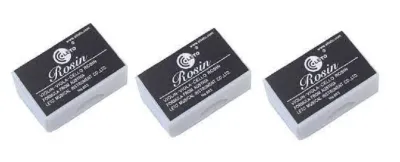
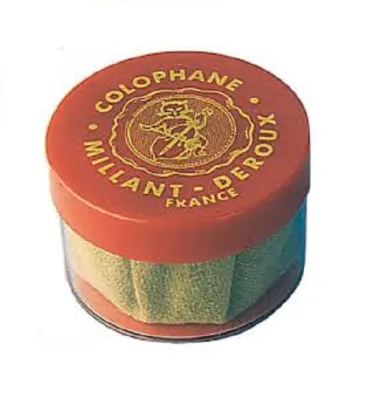

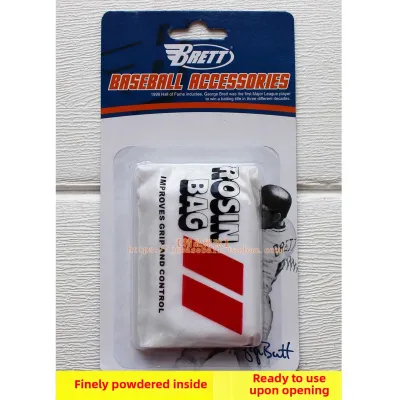
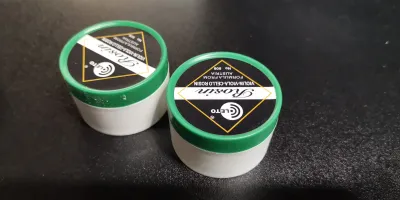
Prices are valid at publication and may change. Please refer to the product page for the latest price.
Leatherwood occupies a unique position in this high-end market due to its artisanal, wood-infused recipes and customizable blending options. While many established premium brands offer a fixed menu of light and dark formulas, Leatherwood allows players to select specific traction profiles, such as “supple” or “crisp,” or even request custom blends. This bespoke approach contrasts with the standardized consistency of traditional premium brands, which focus on delivering an identical, highly reliable formula cake after cake.
Furthermore, the presentation of these premium products reflects their artisanal nature. Traditional high-end rosins are typically poured into round cakes wrapped in protective cloth or plastic containers. Leatherwood packages its rosin in hand-crafted timber casings made from specialty woods like maple or oak. While this packaging contributes to the aesthetic appeal and protects the brittle resin from shattering, the primary value lies in the performance of the customized recipe inside.
Key Dimensions for Comparing High-End Rosins
To evaluate Leatherwood against other premium alternatives, you must look past marketing claims and focus on observable performance dimensions. The first and most critical dimension is grip and articulation. Grip refers to the friction that allows the bow hair to catch the string and initiate vibration, known as the “bite.” A premium rosin should offer a clean, immediate bite during rapid off-the-string strokes like spiccato, while still allowing for smooth, noise-free transitions during sustained legato passages.

Another essential factor is tonal color. Different rosin formulas act as acoustic filters, subtly altering the harmonic profile of your instrument. Some recipes are designed to dampen high-frequency surface noise, producing a warmer, rounder, and more focused tone. Others enhance high-frequency overtones, providing additional brightness, clarity, and projection. When comparing rosins, listen closely to how each formula affects the balance between the lower and upper registers of your instrument.
Dust and residue production is a practical concern for any string player. High-quality rosins are formulated to produce a fine, minimal powder that adheres well to the bow hair rather than flying off onto the instrument body. Excessive, sticky dust can accumulate on the varnish, potentially damaging the finish over time and requiring frequent cleaning. It can also build up on the strings, dampening their vibration and deadening the tone. Checking manufacturer specifications and observing the residue pattern during practice is crucial.
Climate stability is particularly important for players in tropical environments like Singapore. High humidity and warm temperatures can cause softer, stickier rosins to become overly gummy, leading to a heavy, sluggish feel on the strings. Conversely, dry, air-conditioned concert halls can make hard rosins feel glassy and slick. A premium rosin must maintain its physical properties and consistency across these rapid environmental transitions, ensuring reliable performance from the practice room to the stage.
Matching Rosin to Your Instrument and Playing Style
Finding the right rosin requires matching its physical characteristics to your specific instrument family. Violin strings, being thinner and under higher tension, require a harder rosin with moderate grip to facilitate fast, agile bow work without choking the sound. Viola strings need a balance of warmth and bite to initiate the lower C-string while maintaining clarity on the A-string. Cello strings are thicker and heavier, demanding a softer, stickier formula to sustain the lower register.
String compatibility is another variable to verify before purchasing. Synthetic core strings, which are highly popular for their stability and warmth, generally pair well with medium-grip rosins that offer a balanced response. Steel core strings, often used by student players or in specific genres, benefit from a smoother, less aggressive rosin to prevent a harsh, metallic edge. Gut strings, highly sensitive to humidity and tension changes, require a precise, reliable grip to stabilize their naturally slower response time.
Your performance context should also guide your selection. Soloists often seek a rosin that maximizes projection and provides a crisp, clear bite to help the instrument cut through an orchestra or piano accompaniment. In contrast, chamber musicians and orchestral players may prefer a smoother, warmer blend that facilitates blending with other instruments. Leatherwood’s ability to offer distinct “supple” and “crisp” formulas allows players to choose a recipe that aligns precisely with these musical demands.
Evaluating the Price-to-Performance Ratio
When considering an upgrade to an artisanal product like Leatherwood, evaluating the price-to-performance ratio is essential. Premium rosins carry a higher upfront cost in S$ compared to standard options available in local music stores. To assess the true value, calculate the cost per gram by dividing the retail price by the weight of the cake. While the initial investment is higher, a single cake of high-end rosin typically lasts for several years of regular playing, making the long-term cost per month very low.
Longevity and reapplication frequency also play a major role in this calculation. Because premium formulas utilize highly purified resins, they adhere more efficiently to the bow hair. This means you need fewer swipes per application, and the grip lasts longer during extended practice sessions. Over time, you consume less product per year compared to cheaper, dustier rosins that require constant reapplication, offsetting a portion of the premium price tag.
Ultimately, the decision to invest in a customizable or specialized blend depends on your sensitivity to subtle changes in playability and tone. For professional musicians, advanced students, or dedicated hobbyists, the ability to fine-tune the bow’s traction and response to match a specific instrument and climate is highly valuable. For casual players, a standard, widely available premium brand may offer sufficient performance and convenience without the higher bespoke cost.
How to Test and Transition to a New Rosin
To safely evaluate a new premium rosin without compromising your current setup, you must follow a systematic transition process. Mixing different rosin formulas on the same bow hair can lead to uneven grip, clumping, and unpredictable tonal results. Ideally, start with a newly rehaired bow. If a rehair is not possible, you must thoroughly clean the existing bow hair using a specialized bow hair cleaner or by consulting a professional luthier to remove all old residue.
Before testing the new rosin, wipe down your instrument’s strings and body with a dry, clean microfiber cloth. This ensures that old rosin dust on the strings does not interfere with your assessment of the new formula’s grip and tone. Once the bow and strings are clean, apply the new rosin evenly along the hair. Avoid fast, aggressive strokes, which can generate friction heat and melt the rosin onto the hair; instead, use slow, deliberate passes from frog to tip.
Allow the new rosin to settle into the bow hair by playing for an hour or two before making any final judgments. Keep a simple testing log over several practice sessions to track how the rosin performs. Note how the grip feels during different articulation styles, how much dust accumulates on the instrument, and how the tone responds in different environments, such as a humid room versus an air-conditioned hall. This methodical approach ensures an accurate, objective evaluation.
Frequently Asked Questions (FAQ)
How often should I reapply premium rosin compared to standard brands?
Premium rosins generally require less frequent application than standard brands due to their high purity and superior adhesion. For most players, applying rosin every four to six hours of actual playing time is sufficient. Over-rosining is a common issue that leads to a scratchy, harsh tone and excessive dust buildup. If you notice a loss of grip or a glassy feel on the strings, apply a few light strokes rather than heavily coating the bow hair.
Can I mix Leatherwood rosin with my current rosin on the same bow?
Mixing different rosin brands or formulas on the same bow is not recommended. Different manufacturers use distinct chemical compositions, oils, and additives, which may not be compatible. Mixing them can cause the resins to clump, creating sticky spots and uneven traction along the bow hair. To experience the true performance characteristics of a new premium rosin, always clean the bow hair thoroughly or wait for a fresh rehair before application.
Does the physical shape of the rosin cake affect its performance?
The physical shape of the rosin cake—whether round, rectangular, or encased in wood—does not affect the acoustic performance or chemical properties of the resin itself. The shape is primarily an ergonomic preference. Rectangular cakes, such as those housed in timber casings, can offer a more secure grip during application and protect the brittle resin from cracking if dropped. Round cakes wrapped in cloth are traditional and allow for rotating the cake to ensure even wear.
Community discussion
Share your experience or ask a question. Comments are reviewed before publication.