
Selecting the ideal rosin is one of the most personal decisions a string player can make, as this small block of resin serves as the literal point of contact between your bow and your instrument. When evaluating the premium offerings from Leatherwood Bespoke Rosin, musicians are presented with two distinct tonal and tactile pathways: Supple and Crisp. Rather than representing a hierarchy of quality, these two formulations are designed to address different acoustic challenges, playing styles, and instrument characteristics. Finding the right match requires looking beyond the packaging to understand how each blend alters the friction, resistance, and overtone profile of your strings.
The interaction between bow hair and string is incredibly sensitive to the physical properties of the rosin applied. A formulation that feels effortlessly smooth on a violin in a dry, air-conditioned recital hall might feel overly slick or excessively dusty under different environmental conditions or on a larger instrument like a cello. By analyzing your instrument’s natural voice, your primary repertoire, and the physical feedback you prefer from your bow, you can make an informed choice between these two distinct formulations. This guide provides a systematic approach to evaluating both variants, ensuring your selection enhances your instrument’s natural resonance and supports your technical execution.
Understanding the Core Differences: Supple vs Crisp
The fundamental distinction between Leatherwood’s Supple and Crisp formulations lies in how they manage the friction between the bow hair and the string. The Supple formulation is engineered to prioritize a warm, round, and deeply resonant acoustic profile. It is designed to offer a smooth, consistent grip that minimizes the harsh “bite” or surface noise often associated with high-friction rosins. This makes it particularly appealing for players who want to emphasize the complex, warm overtones of their instrument and achieve seamless, virtually silent bow changes. The tactile sensation of the Supple variant is often described as velvety, allowing the bow to glide effortlessly while still maintaining enough traction to draw out a full, rich sound.
Products mentioned in this guide
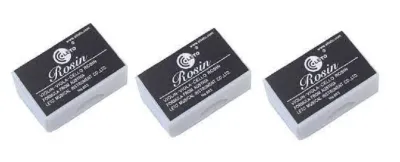
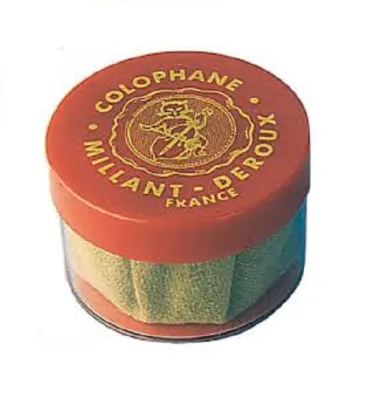
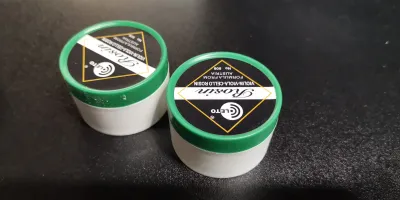
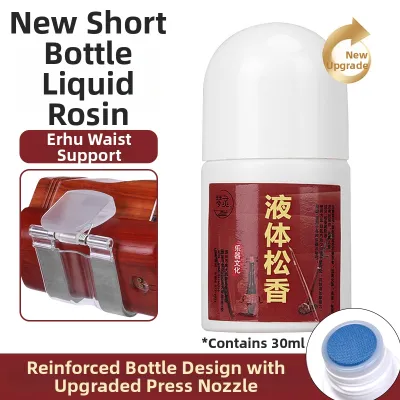
Prices are valid at publication and may change. Please refer to the product page for the latest price.
In contrast, the Crisp formulation is designed with articulation, clarity, and projection as its primary objectives. This variant focuses on providing a decisive, immediate “bite” at the initiation of each bow stroke, which is essential for executing rapid, intricate passages with absolute rhythmic precision. The acoustic result is typically a more focused, bright, and projected tone that can easily cut through an ensemble or carry to the back of a large performance space. For musicians who find their instrument’s voice slightly muffled or slow to respond, the Crisp formulation offers the necessary resistance to initiate sound quickly and cleanly, especially during complex off-the-string techniques.
When choosing between these options, it is vital to verify the manufacturer’s specific product descriptions and intended use cases on the packaging or official store listings. Because premium rosins are crafted using specialized recipes, visual cues such as the color, transparency, or apparent hardness of the block cannot reliably confirm how the rosin will perform on your strings. A darker rosin is not automatically stickier, nor is a lighter rosin guaranteed to be powdery. Instead, rely on the official product specifications and recognized tonal characteristics provided by the maker to guide your expectations, keeping in mind that the ultimate test occurs when the rosin meets your specific bow and string setup.
Matching the Rosin to Your Bowed Instrument
The physical differences among instruments in the bowed string family play a massive role in how a rosin performs. Higher-pitched instruments, such as the violin, possess thinner strings under high tension, which naturally produce bright, high-frequency overtones. A violinist must often balance this inherent brightness to prevent the instrument from sounding shrill or overly aggressive under the ear. For these players, a rosin that controls high-frequency noise and rounds out the tone, such as the Supple formulation, can be highly beneficial. Conversely, if a violin lacks projection or feels sluggish in its response, a Crisp formulation can provide the necessary articulation to make the instrument speak instantly.

As we move down to lower-pitched instruments like the viola, cello, and double bass, the physical demands on the rosin change dramatically. Lower strings are thicker, heavier, and require significantly more physical energy to set into motion. A cellist or bassist must apply more bridge pressure and rely on a rosin with sufficient grip to overcome the inertia of these heavy string cores. While a viola player might find a balance between Supple and Crisp depending on whether their instrument is naturally bright or dark, a cellist often requires a formulation that offers a stronger initial grip to ensure clean articulation on the C and G strings without requiring excessive physical strain.
Before making a purchase, always check if the manufacturer offers instrument-specific versions of their Supple and Crisp formulations. A “Supple” rosin formulated specifically for a violin will have a different level of tackiness and viscosity compared to a “Supple” rosin designed for a cello or a double bass. Using a violin-grade rosin on a cello often results in insufficient grip, causing the bow to skate across the heavy strings, while using a cello-grade rosin on a violin can create a sticky, gummy mess that dampens the vibrations of the delicate strings. Verifying that you are purchasing the correct formulation tailored to your specific instrument family is an essential first step.
Aligning with Your Playing Style and Tonal Goals
Your individual playing style, primary repertoire, and performance environment should heavily influence your choice between Supple and Crisp. Soloists who frequently perform in large concert halls or with orchestral accompaniment often prioritize projection, clarity, and immediate bow response. For these musicians, the Crisp formulation is frequently the preferred choice, as it helps the instrument’s sound carry over long distances and ensures that rapid, articulated passages remain distinct and audible to the audience. The immediate feedback of a crisp rosin supports aggressive bowing techniques and high-energy performances where every note must be clearly defined.
On the other hand, chamber musicians, orchestral players, and those who focus on a warmer, more blended tonal palette often lean toward the Supple formulation. In an ensemble setting, the ability to blend your sound with other instruments is often more important than solo projection. The Supple variant’s ability to soften harsh transients and produce a smooth, continuous legato helps create a cohesive ensemble sound. Additionally, players who specialize in repertoire that demands long, sustained bow strokes, rich cantabile lines, and subtle dynamic nuances will find that the smooth grip of the Supple formulation supports these expressive goals beautifully.
It is also important to remember that rosin does not operate in a vacuum; it is merely one component of a complex tonal chain. The weight and balance of your bow, the age and quality of your bow hair, and the specific core material of your strings all interact with the rosin. For example, if you play with a particularly heavy bow that naturally applies significant pressure to the strings, a Supple rosin might provide the perfect counterbalance to prevent the sound from becoming crushed. Conversely, if you use a lightweight bow that requires extra effort to produce a robust tone, a Crisp rosin can help compensate by providing additional grip and bite.
Environmental and Setup Factors to Verify
Environmental conditions, particularly ambient temperature and relative humidity, have a profound impact on how any rosin behaves. Rosin is a natural resin that softens in warm, humid conditions and hardens in cold, dry environments. In a tropical climate like Singapore’s, where high humidity and warmth are constant, a rosin can easily become overly soft and sticky. Under these conditions, a “Supple” rosin might feel excessively tacky, leading to a heavy, sluggish bow feel and increased dust accumulation on the instrument body. Players in humid regions often find that a “Crisp” formulation, which is naturally less sticky, provides a cleaner, more manageable response.
Conversely, in dry, air-conditioned performance spaces or during colder seasons, rosin can become hard and glassy, losing its ability to grip the strings effectively. In these dry conditions, a “Crisp” rosin might feel like it is skating across the strings without drawing out a full tone, requiring excessive bow pressure from the player. Under these circumstances, the naturally higher grip and smoother traction of a “Supple” formulation can restore the necessary warmth and contact, making the instrument feel responsive and comfortable to play once again. Many professional musicians keep both formulations in their cases to adapt to changing venue climates.
Beyond the environment, the material of your strings must be taken into consideration. Steel-core strings, which are highly responsive but can sometimes sound bright or metallic, often pair well with a Supple rosin to round out the tone. Synthetic-core strings, which offer a balance of warmth and responsiveness, can be paired with either variant depending on the player’s tonal goals. Gut-core strings, known for their rich, complex overtones but slower response times, often benefit from the added articulation of a Crisp rosin. Before applying a new rosin, inspect your bow hair to ensure it is clean and not worn out, and wipe down your strings to remove any old rosin buildup, allowing you to evaluate the new formulation accurately.
Decision Framework: Choosing Your Leatherwood Variant
To help streamline your selection process, apply this conditional decision framework based on your instrument’s characteristics, your playing environment, and your artistic preferences.
Choose Supple if:
- You want to emphasize warmth, depth, and rich, complex overtones in your instrument's voice.
- Your primary playing style involves long, sustained legato lines, smooth bow changes, and expressive cantabile passages.
- Your instrument is naturally bright, edgy, or prone to harsh high-frequency surface noise, and you wish to round out its sound.
- You frequently perform in dry, cool, or highly air-conditioned environments where rosins tend to lose their grip and feel glassy.
- You prefer a velvety, smooth tactile sensation under the bow with minimal initial resistance.
Choose Crisp if:
- You require maximum clarity, immediate articulation, and a decisive "bite" at the start of each bow stroke.
- Your repertoire features fast, intricate passages, off-the-string techniques like spiccato or sautillé, and rapid string crossings.
- Your instrument has a naturally dark, warm, or slightly muffled tone, and you want to add brightness, focus, and projection.
- You primarily play in warm, humid climates where rosins can become overly soft, sticky, and difficult to control.
- You are a soloist or lead player who needs your sound to project clearly over an ensemble or carry throughout a large hall.
Verify first if:
- You use a mixed string setup (such as a steel E string paired with synthetic A, D, and G strings) or experience extreme climate fluctuations between your practice space and performance venues. In these cases, consult a professional luthier or contact the manufacturer to discuss custom blending or using different formulations on separate bows to achieve the perfect balance.
Frequently Asked Questions (FAQ)
Can I mix Supple and Crisp rosin on the same bow?
While it is physically possible to apply both Supple and Crisp rosin to the same bow, doing so is generally not recommended for players seeking consistent performance. Mixing different formulations on the bow hair can create an uneven surface texture, leading to unpredictable grip, patchy articulation, and inconsistent tone along the length of the bow. If you wish to switch from one variant to the other, it is best to have your bow professionally re-haired or thoroughly clean the existing hair using a safe, manufacturer-approved method before applying the new formulation. This ensures you experience the true, unaltered characteristics of the chosen variant.
How should I store Leatherwood rosin to maintain its properties?
To preserve the acoustic and physical properties of your premium rosin, store it in a cool, dry place away from direct sunlight, extreme heat, and high humidity. Leaving your rosin in a hot car or near a window can cause the resin to soften, deform, or even melt, permanently altering its formulation and usability. Always keep the rosin block in its original protective wrap and dedicated leather casing when not in use to shield it from physical impacts and dust contamination. Ensuring the casing is securely closed after each practice session will help maintain the rosin’s optimal moisture content and extend its lifespan for years of performance.
Community discussion
Share your experience or ask a question. Comments are reviewed before publication.