
Deciding between a LinkedIn Premium subscription and building a robust business and finance book library depends entirely on your current career bottleneck. If your roadblock is visibility and direct access to decision-makers, a platform upgrade might be the catalyst. However, if your challenge lies in strategic thinking, financial literacy, or leadership frameworks, a curated reading plan offers a highly cost-effective return on investment. Use the following diagnostic framework to assess your goals and choose the right tool for your next career leap.
Investing in your professional growth requires a clear understanding of what you are trying to solve. Many professionals default to purchasing digital subscriptions because of targeted marketing, without evaluating if the tool matches their immediate developmental needs. A subscription is a recurring operational expense, whereas a book library is an intellectual asset that remains accessible indefinitely. By analyzing your specific career friction points, you can allocate your budget to the resource that will yield the highest professional dividends.
Assess Your Current Career Bottleneck
To make an informed decision, you must first diagnose whether your career is stalled by a lack of exposure or a lack of expertise. A networking deficit is highly visible. You might find that despite having an excellent track record and strong technical skills, your job applications rarely progress past initial automated screening systems. If you rely heavily on public job boards where hundreds of candidates compete for a single position, or if you struggle to get your resume in front of hiring managers at target companies, your primary bottleneck is visibility.
Products mentioned in this guide

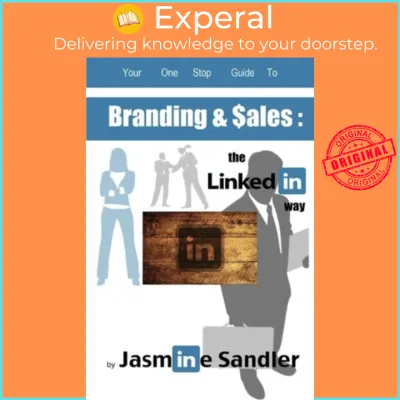
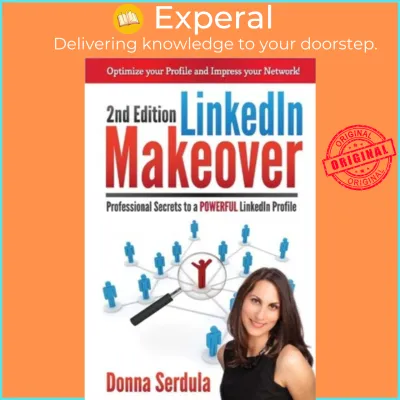
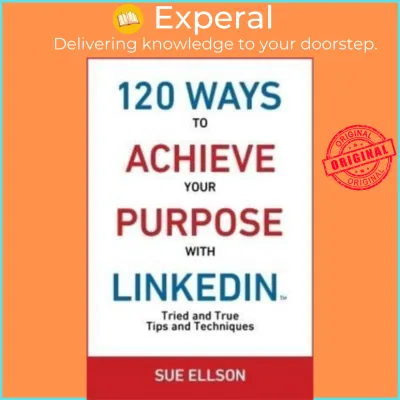
![THE ULTIMATE LINKEDIN SALES GUIDE - HOW TO USE DIGITAL AND SOCIAL SELLING TO TURN LINKEDIN INTO A LEAD SALES AND REVENUE GENERATING MACHINE [Hardback] by Daniel Disney](https://img.lazcdn.com/g/p/20d8b720a1386bd68c7034aecd4b87a8.jpg_400x400q80.jpg_.webp)
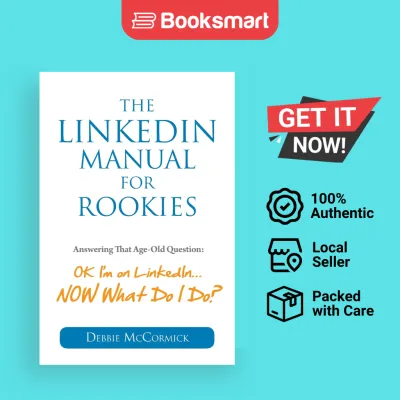
Prices are valid at publication and may change. Please refer to the product page for the latest price.
Conversely, a knowledge deficit manifests differently and often becomes apparent once you reach mid-career stages. You might find yourself struggling to contribute meaningfully during high-level strategic meetings, or feeling out of depth when discussions turn to corporate finance, market positioning, or organizational design. If your goal is to transition from an individual contributor to a managerial role, the challenge is rarely about sending more direct messages. Instead, it is about acquiring the mental models, leadership frameworks, and financial literacy required to make sound business decisions.
Evaluating your current career stage and defining your immediate 12-month objectives is essential before committing funds to any resource. If your objective for the year is to secure a new role in a highly competitive industry where you lack personal connections, your focus must be on outreach and platform visibility. If your objective is to excel in a newly promoted role, manage a larger budget, or pivot into a different functional area, your focus must be on deep cognitive development and strategic mastery. Grounding your investment in these concrete milestones prevents wasted expenditure on tools that do not align with your actual day-to-day challenges.
When LinkedIn Premium Actually Moves the Needle
A premium platform subscription is fundamentally an outreach and intelligence tool, not a skill-building repository. To determine if this investment is justified, you must verify the utility of its core features against your daily workflow. The primary value of a premium tier lies in direct messaging credits, which allow you to contact decision-makers outside your immediate network without a prior connection. If you are actively pitching services, seeking informational interviews with senior executives, or reaching out to recruiters at specific target firms, these direct credits can bypass traditional gatekeepers.

Additionally, advanced search filters and detailed profile viewer insights provide actionable data for specific professional profiles. Active job seekers targeting unlisted roles can see how they rank against other applicants and identify who is viewing their profile, allowing for timely follow-ups. For business development professionals, independent consultants, and freelancers, these insights serve as a pipeline for lead generation. If your daily revenue depends on outbound business development, the cost of a monthly subscription is easily offset by a single successful client acquisition.
However, there are clear limitations and stop conditions where a premium subscription fails to deliver value. Upgrading your account will not compensate for an unoptimized profile, a vague headline, or a history of sending generic, copy-pasted messages. If your response rate on standard connection requests is low, paying for direct messaging credits will likely yield the same disappointing results. Furthermore, if you do not have the time to actively monitor the platform, engage with industry content, and follow up on leads daily, the recurring subscription fee becomes a sunk cost.
When a Business and Finance Book Library Is the Better ROI
For long-term career progression, a structured, self-directed reading plan offers unparalleled depth and systematic learning. While online articles and short-form digital content provide quick updates on industry trends, they rarely offer the comprehensive frameworks found in high-quality business and finance literature. A well-written book allows you to spend several hours absorbing a single author’s decades of research, case studies, and strategic models. This deep immersion is what builds the cognitive scaffolding necessary for complex problem-solving and executive decision-making.
From a financial perspective, building a personal library is highly cost-effective compared to recurring digital subscriptions. A premium platform subscription can cost upwards of S$60 to S$100 per month, translating to a significant annual commitment. In contrast, that same monthly budget can purchase several high-quality hardcover or digital books, which you own permanently. Alternatively, utilizing public library networks, such as those in Singapore, allows you to access vast collections of business literature for free or at a nominal cost. This approach eliminates recurring financial pressure while allowing you to learn at your own pace.
A curated library is particularly suited for professionals preparing for major career transitions. If you need to master corporate finance, understand organizational psychology, or develop an entrepreneurial mindset, books provide the structured curriculum you need. Reading foundational texts on negotiation, capital allocation, and strategic management equips you with a vocabulary and analytical capability that cannot be replicated by browsing a social feed. This foundational knowledge remains relevant across different companies and industries, offering a permanent upgrade to your professional capabilities.
The Decision Matrix: Matching Your Goals to the Right Tool
To finalize your investment strategy, map your immediate professional goals directly to the strengths of each medium. If your primary goal is immediate visibility, external outreach, or securing interviews within the next ninety days, prioritize platform tools and consider a temporary premium subscription. If your goal is long-term cognitive growth, leadership preparation, or mastering a complex technical subject, direct your resources toward a curated reading list. This clear division ensures that you are not using a networking tool to solve a knowledge gap, or vice-versa.
A highly effective hybrid strategy involves leveraging a fully optimized free profile alongside a self-paced business book library. You do not need a paid subscription to build a compelling professional brand online. By optimizing your free profile with clear keywords, a professional layout, and regular updates, you can still attract recruiters while dedicating your financial budget to high-quality books. This combination allows you to maintain a professional digital presence without incurring high monthly fees, maximizing both your visibility and your intellectual development.
Before committing any funds, perform a final verification of subscription terms, trial conditions, and book availability. Many digital platforms offer a one-month free trial of their premium features; utilize this period to test whether the advanced search and messaging tools actually result in meaningful professional connections. For books, verify the specific edition, language, medium or file format, regional restrictions, device compatibility, and content completeness to ensure the material fits your learning style. Checking local library catalogs or authorized book retailers beforehand ensures you obtain the best version of the material without unnecessary spending.
Frequently Asked Questions (FAQ)
Can LinkedIn Premium learning courses replace business books?
Platform video courses are excellent for acquiring quick, tactical skills, such as learning a specific software interface or understanding basic project management terminology. However, they rarely replace the depth and structural rigor of a comprehensive business or finance book. Books encourage active cognitive engagement, deeper reflection, and better long-term retention of complex strategic frameworks. Use video courses for immediate, practical how-to knowledge, and reserve books for deep conceptual understanding and leadership development.
How do I know if my free LinkedIn profile is holding me back?
You can evaluate the effectiveness of your free account by observing key metrics over a few weeks, such as your weekly search appearances and the acceptance rate of your connection requests. If your profile is appearing in searches but you receive no inquiries, or if your connection requests are ignored, the issue is likely your profile optimization rather than a lack of premium features. Before upgrading, ensure your profile has a clear headline, a detailed summary of your achievements, and a professional photo, as these foundational elements dictate your success on any tier.
Community discussion
Share your experience or ask a question. Comments are reviewed before publication.