
Quick Answer: Which G String Should You Choose?
The choice between a low G and a high G ukulele string setup depends entirely on your musical goals, playing style, and the specific sound you want to achieve. Neither setup is objectively superior; they simply transform the ukulele into two distinct musical voices.
High G is the traditional choice, offering a bright, jangly, and classic “plucky” tone. It is ideal for vocal accompaniment, traditional Hawaiian music, and campanella-style fingerpicking.
Low G provides a modern, linear alternative with a warmer, fuller sound and an extended lower range. It is perfect for instrumental soloists, fingerstyle players, and musicians transitioning from the guitar who want a familiar linear layout.
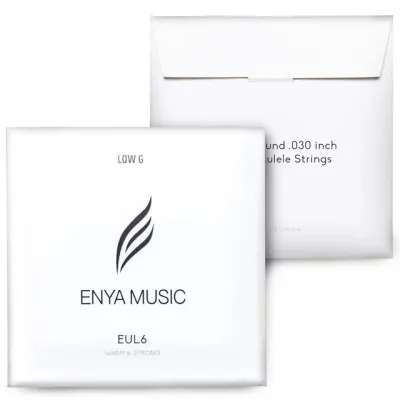
Products mentioned in this guide
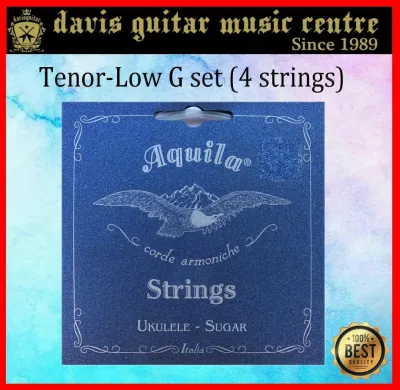
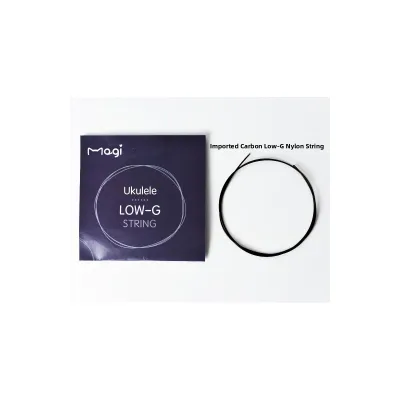
![[Fast and Free Delivery] Enya Ukulele Low G String Fluorocarbon And Brass Wound String For Soprano Concert Tenor Ukulele](https://img.lazcdn.com/g/p/539b142a9274b03dae4c7a50004bc759.jpg_webp_400x400q80.jpg_.webp)
Prices are valid at publication and may change. Please refer to the product page for the latest price.
Understanding the Core Difference: Re-entrant vs Linear Tuning
To understand the difference, we must look at how the strings are tuned relative to one another. Standard ukulele tuning is typically g-C-E-A.

In a standard High G setup, the tuning is “re-entrant.” This means the strings do not progress sequentially from lowest pitch to highest pitch. Instead, the fourth string (G) is tuned to a high pitch, higher than both the third (C) and second (E) strings. Only the first string (A) is higher than the G string. This creates a unique, clustered pitch profile that gives the ukulele its signature voice.
In contrast, a Low G setup utilizes “linear” tuning. Here, the fourth string is tuned an octave lower than the standard High G. This establishes a sequential progression where the pitch rises steadily from the lowest note (G) to the highest note (A).
This tuning difference requires physically different strings. Because a lower pitch requires more mass to vibrate at the correct tension, a Low G string must be significantly thicker than a High G string. Manufacturers achieve this either by using a thicker gauge of monofilament material (such as fluorocarbon or nylon) or by wrapping a thin metal wire around a core material, creating a “wound” string.
Tone and Sound Profile: What to Expect from Each Tuning
The acoustic profile of your ukulele changes dramatically depending on the G string you install. A High G string delivers the classic, bright, and breezy sound most people associate with the instrument. Because the pitches of the strings are clustered closely together, chords sound tight, cohesive, and highly resonant in the upper-midrange. This creates a cheerful, “jangly” quality that cuts through other acoustic instruments easily.
A Low G string shifts the tonal balance toward the lower frequencies. It introduces a warm, rich bass foundation that makes the instrument sound larger and more resonant. Chords have a wider tonal spread, meaning there is more separation between the lowest and highest notes. This gives the ukulele a voice reminiscent of a classical guitar, with a mellow sustain that lingers longer than a standard High G setup.
The physical material of the Low G string also plays a massive role in the final sound. Wound metal strings (often silver-plated copper or aluminum wound over a nylon core) produce a very bright, metallic ring with excellent sustain, but they can sometimes sound overly dominant compared to the unwound C, E, and A strings. They are also prone to squeaking when your fingers slide along them. Unwound Low G strings, typically made of dense fluorocarbon, offer a more balanced, woody tone that blends seamlessly with the other strings, though they lack the deep acoustic projection of wound metal.
In humid tropical climates like Singapore, wound metal strings can also corrode or tarnish more quickly due to moisture in the air. For players in these environments, a dense, unwound fluorocarbon Low G string is often a highly durable alternative that resists humidity while still providing a warm, clear tone.
Playability: How Chords and Fingerpicking Change
When you switch between High G and Low G, your physical finger placements do not change. A C major chord or a G7 chord is fretted exactly the same way on both setups. However, the actual musical voicing—the specific arrangement of notes within the chord—changes completely.
On a High G ukulele, strumming a chord produces a tight, compressed sound because the root or fifth of the chord is often doubled in the same octave. This makes strumming incredibly satisfying, as the notes blend into a single, cohesive rhythmic texture.
For fingerpicking, High G is the gateway to the “campanella” technique. This Italian term translates to “little bells,” and the technique involves playing consecutive scale notes on different strings rather than up and down a single string. Because of the re-entrant tuning, adjacent strings can ring out simultaneously like a harp, creating a cascading, ethereal flow of sound that is unique to the traditional ukulele.
A Low G setup completely alters this dynamic. With a linear layout, scale runs become intuitive and logical, mirroring the linear patterns found on guitars, bass guitars, and mandolins. This makes improvising solos and playing single-note melodies much easier to visualize.
Furthermore, the extended lower range allows you to play true bass lines underneath your melodies. When fingerpicking on a Low G ukulele, your thumb can maintain a steady, alternating bass pattern on the low G string while your other fingers pluck the melody on the higher strings, creating a rich, self-accompanied solo arrangement.
Matching the Tuning to Your Musical Style
Your choice of tuning should align with the genres of music you love to play. High G is the undisputed king of traditional Hawaiian music, classic folk, and upbeat pop strumming. If your primary goal is to sing along while strumming rhythmic chords, the High G setup is highly effective. Its bright, high-pitched frequencies sit neatly above the vocal range, ensuring that the instrument accompanies your voice without competing for the same sonic space.
Low G is highly suited for jazz, blues, classical transcriptions, and modern fingerstyle arrangements. The added bass range is essential for rendering complex jazz chords with proper root notes, and it allows classical players to perform pieces originally written for the lute or guitar without losing the lower register.
If you plan to play in an ensemble, band, or jam session, the musical environment is an important factor. In a group with multiple ukuleles, having a mix of High G and Low G instruments creates a beautiful, full-spectrum sound. However, if you are playing alongside an acoustic bass or a keyboard player who handles the low-end frequencies, a Low G ukulele can sometimes muddy the mix. In these scenarios, a High G ukulele provides a clean, high-frequency sparkle that carves out its own distinct space in the band.
How to Choose: A Decision Framework for Your Playing Style
To finalize your decision, consider this practical framework based on your current playing habits and musical aspirations.
Choose High G if:
- You love the traditional, bright, and breezy "island" sound of the ukulele.
- Your playing consists primarily of rhythmic strumming and vocal accompaniment.
- You want to explore traditional fingerstyle techniques like campanella.
- You prefer a lightweight, highly portable instrument with consistent string tension across all four strings.
Choose Low G if:
- You want to play solo instrumental arrangements with independent bass lines and melodies.
- You are transitioning from the guitar and want a familiar, linear fretboard layout.
- You find the traditional ukulele sound too bright or thin and prefer a warmer, deeper tone.
- You enjoy playing genres like classical, jazz, or blues that rely heavily on lower-register notes.
Before making the switch to a Low G string, you must verify if your instrument can physically accommodate it. Because Low G strings are thicker than standard High G strings, they may not fit cleanly into the slots of your ukulele’s nut (the slotted piece of plastic or bone near the headstock). If the slot is too narrow, the string will sit too high, causing high action, difficult playability, and poor intonation.
Additionally, check the bridge of your ukulele. Some instruments feature “tie-bar” bridges where a thicker string is easy to secure, while others use “keyhole” slots or bridge pins that might require careful adjustment to accept a thicker gauge.
If you find yourself torn between the two, or if you find that a Low G string still does not provide the deep, resonant bass you crave, it may be worth exploring alternative instruments. A baritone ukulele, for example, is tuned D-G-B-E (like the top four strings of a guitar) and naturally provides a deep, rich voice while maintaining a compact, four-string form factor.
Frequently Asked Questions (FAQ)
Do I need to modify my ukulele to switch from High G to Low G?
In many cases, a standard ukulele can accept a Low G string without any permanent modifications, especially if you choose a thinner, wound metal string. However, if you opt for a thick, unwound fluorocarbon Low G string, you may need to slightly widen the fourth slot on the nut. This can be done carefully using specialized nut files to ensure the string sits at the correct height. If the slot is too tight, the string may bind, causing tuning instability or even cracking the nut. It is also wise to check the bridge and saddle to ensure the string makes clean contact. If you are uncomfortable making these adjustments yourself, consulting a qualified luthier or instrument technician is highly recommended to avoid damaging your instrument.
Can I use a standard High G string and just tune it down an octave?
No, you cannot simply tune a standard High G string down an octave. Strings are engineered to vibrate at specific pitches under a precise amount of tension. A standard High G string is thin and designed to be tuned to a high pitch. If you attempt to tune it down a full octave, the tension will drop drastically, leaving the string incredibly loose, floppy, and completely unplayable. It will buzz constantly against the frets, fail to project any usable sound, and will not hold its intonation. To achieve a proper Low G tuning, you must purchase a string specifically manufactured for that purpose, which features the necessary thickness or winding to maintain proper tension at the lower pitch.
Will changing to a Low G string damage my ukulele?
No, installing a commercially available Low G string will not damage your ukulele. These strings are carefully engineered by manufacturers to exert a safe amount of tension that is fully compatible with standard ukulele construction and scale lengths. While a Low G string is thicker, its overall tension is comparable to a standard High G string, meaning it will not warp the neck, lift the bridge, or pull the soundboard upward. The only minor physical consideration is potential wear on the nut slot if you use a rough, wound metal string over a long period. This wear is purely cosmetic and easily manageable, posing no threat to the structural integrity of your instrument.
Community discussion
Share your experience or ask a question. Comments are reviewed before publication.