
Choosing the right leadership book depends entirely on your current professional challenges, learning style, and the specific tools you need to implement. If Matrix of Leadership focuses on structured diagnostic frameworks and organizational mapping, it serves a different purpose than narrative-driven books that emphasize personal influence, emotional intelligence, or communication. This guide will help you evaluate the core dimensions of these resources so you can select the one that best aligns with your immediate growth objectives.
The leadership literature landscape is broadly divided into two distinct categories: analytical, system-oriented frameworks and narrative, mindset-driven philosophies. Analytical books provide structured grids, diagnostic questions, and step-by-step processes designed to map out organizational systems. Narrative books, conversely, rely on storytelling, historical examples, and personal anecdotes to inspire behavioral changes and build empathy.
Starting with the wrong type of book can lead to frustration, especially if you try to apply abstract philosophical advice to a concrete structural bottleneck, or vice versa. By understanding the fundamental differences in how these books deliver their concepts, you can save time and ensure your reading directly translates into actionable workplace improvements.
Products mentioned in this guide

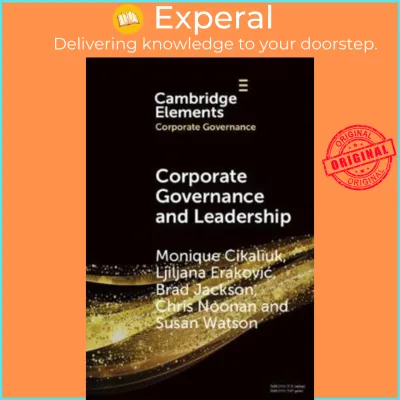
Prices are valid at publication and may change. Please refer to the product page for the latest price.
Understanding the Core Focus of Matrix of Leadership
To determine if Matrix of Leadership is your ideal starting point, it is essential to understand its primary value proposition. This type of text typically prioritizes diagnostic frameworks, behavioral matrices, and organizational design over personal anecdotes or inspirational storytelling. Instead of focusing on the personal charisma of a leader, it treats the organization as a system of interconnected parts that must be mapped, analyzed, and optimized.
The core methodology of a matrix-focused book involves using structured grids to evaluate team dynamics, role responsibilities, and communication flows. For example, a matrix might plot team members’ skill levels against their task commitment, helping managers identify exactly who needs close supervision and who is ready for delegation. This systematic approach removes much of the guesswork and emotional bias from management decisions.
The primary target audience for this structured approach includes mid-level managers, project directors, and operations leaders who must coordinate complex, cross-functional teams. These professionals often face challenges that cannot be solved by motivational speeches alone, such as overlapping responsibilities, communication bottlenecks, and unclear reporting lines. For these readers, a diagnostic matrix provides a clear, objective blueprint for action.
However, readers should expect a higher cognitive load when engaging with a matrix-based text compared to a standard business biography. These books function more like workbooks or reference manuals, requiring you to actively apply the models to your own team as you read. If you are not in a position to implement structural changes or map out team behaviors, the theoretical models may feel overly academic or difficult to visualize.
Comparing Key Dimensions: Frameworks vs. Narratives
When comparing leadership books, the delivery method plays a crucial role in how easily you can absorb and apply the material. Narrative-driven books often use engaging stories, historical case studies, and personal reflections to convey broad leadership principles. This style is highly effective for shifting mindsets, building emotional intelligence, and inspiring personal growth, making them popular choices for general readers.

In contrast, framework-driven books rely on research-backed, structured methodologies that prioritize objective analysis over emotional appeal. These texts provide specific tools, such as decision trees, performance matrices, and diagnostic checklists, designed to standardize management practices across an organization. While they may lack the narrative drive of a biography, they offer highly practical, repeatable processes for solving operational issues.
The scope of application also differs significantly between these two genres. Narrative books tend to focus on individual leadership traits, helping you develop self-awareness, active listening skills, and personal resilience. Framework books, however, look outward at the broader organizational system, analyzing how teams interact, how resources are allocated, and how structural barriers impact overall performance.
Choosing between these styles involves a trade-off between ease of reading and immediate operational utility. A narrative book can often be read quickly during a commute or over a weekend, providing a boost of inspiration and general guidance. A framework book requires a slower, more methodical approach, often necessitating taking notes, drawing diagrams, and conducting formal assessments of your current workplace environment.
Matching Books to Your Current Leadership Stage
Your current career phase and the specific operational hurdles you face should dictate which book you pick up first. First-time managers, for instance, often struggle with the transition from individual contributor to team leader, requiring foundational guidance on delegation, feedback, and basic communication. For these individuals, a narrative-driven book that focuses on empathy, trust-building, and personal accountability is usually the most accessible and beneficial starting point.
Conversely, experienced leaders who are navigating complex organizational restructuring, change management, or cross-functional alignment require a different set of tools. At this stage, personal charisma and general goodwill are rarely sufficient to resolve deep-seated structural inefficiencies. These leaders need the hard operational metrics, role-mapping grids, and diagnostic frameworks found in matrix-based leadership texts to systematically identify and address bottlenecks.
It is also helpful to distinguish between challenges of self-awareness and challenges of operational tracking. If your primary struggle is managing team conflict, boosting morale, or improving your own emotional intelligence, prioritize books that focus on interpersonal dynamics. If your struggle is tracking performance, clarifying overlapping responsibilities, or standardizing processes across a growing department, prioritize a framework-driven book that offers clear, structured matrices.
Checking Editions, Formats, and Regional Availability
Before purchasing any leadership book, it is crucial to verify the specific edition, format, and source to ensure you receive the most relevant and complete content. Leadership theories and case studies evolve, and newer editions often contain updated chapters addressing modern workplace challenges, such as managing hybrid or fully remote teams. Never assume the contents of a book based solely on its title or cover design; always check the publication date and table of contents.
The format you choose should align with how the book presents its information. While audiobooks are highly convenient for narrative-driven texts that read like stories, they can be challenging for matrix-heavy books that rely on complex visual diagrams, charts, and worksheets. If you prefer digital or audio formats, verify whether the publisher includes a downloadable PDF companion containing all the essential visual aids and diagnostic tools.
Additionally, pay close attention to regional publishing variations and authorized distribution channels. When ordering books internationally or purchasing digital copies, ensure you are buying from authorized sellers to avoid incomplete translations, poor formatting, or missing supplementary materials. Checking these details beforehand guarantees that whether you spend S$20 on a paperback or invest in a digital edition, you receive a complete, high-quality resource that is fully compatible with your reading devices.
Final Decision Guide: Which to Read First
To make your final decision, evaluate your immediate professional needs against the strengths of each book type. You should read Matrix of Leadership first if your current role demands structured diagnostic tools, behavioral mapping, or systemic team evaluation to resolve operational confusion. This book will provide the objective, analytical frameworks necessary to clarify roles, streamline communication, and track performance across complex organizational structures.
On the other hand, you should start with a popular narrative-driven alternative if you are seeking personal inspiration, mindset shifts, or foundational communication strategies to build trust with your team. These books are ideal when your primary goal is to develop your personal leadership style, improve your emotional intelligence, or navigate delicate interpersonal dynamics.
Keep in mind that neither option may be suitable if your current challenges require highly specialized, industry-specific compliance, technical management guidance, or legal frameworks. In such cases, general leadership literature should be supplemented with specialized professional training or industry-specific manuals.
Before finalizing your purchase, always verify that the specific edition you select includes updated frameworks that reflect modern organizational structures. Taking the time to match the book’s format and content to your actual workplace environment ensures that your reading time yields tangible, practical benefits for your career.
Frequently Asked Questions (FAQ)
Can I read multiple leadership books at the same time?
Reading multiple leadership books simultaneously can be highly effective if the texts complement each other rather than compete for the same cognitive space. For example, pairing a narrative-driven book on emotional intelligence with a framework-focused book on organizational design allows you to develop your soft skills and structural tools in tandem. However, attempting to implement two different, complex management matrices at the same time can lead to confusion, inconsistent processes, and unnecessary strain on your team.
How do I apply leadership matrices to a remote or hybrid team?
Applying traditional organizational matrices to a distributed work environment requires explicit adaptation, as many older frameworks assume physical proximity and real-time, face-to-face communication. When mapping out roles and communication flows for a remote team, you must clearly define digital channels, document asynchronous workflows, and establish explicit expectations for response times. Before purchasing a framework-driven book, check the publisher’s notes or look for revised editions that specifically address how to adapt their diagnostic tools to hybrid and remote team structures.
Community discussion
Share your experience or ask a question. Comments are reviewed before publication.