
Selecting the right metronome for piano practice depends on balancing your learning style, your physical practice environment, and your tolerance for digital distractions. While traditionalists appreciate the physical presence and visual rhythm of a mechanical pendulum, modern learners often lean toward the precision of digital hardware or the deep feature sets of smartphone applications. Each format serves a distinct role in helping you internalize a steady pulse, develop rhythmic accuracy, and master complex musical passages.
For centuries, the metronome has been an indispensable tool in the piano player’s arsenal. Originally patented in the early 19th century, this simple device revolutionized how composers communicated tempo and how musicians developed their internal sense of rhythm. Today, while the core purpose of the metronome remains unchanged, the technology surrounding it has evolved dramatically, presenting modern pianists with a diverse array of choices.
Using a metronome is not just about keeping time; it is about training your brain to anticipate subdivisions and maintain a consistent tempo under the pressure of performance. The right tool should integrate seamlessly into your daily routine, matching the acoustic properties of your piano and the physical constraints of your practice space. By understanding the unique strengths and limitations of mechanical, digital, and app-based metronomes, you can select the tool that best supports your musical journey.
Products mentioned in this guide
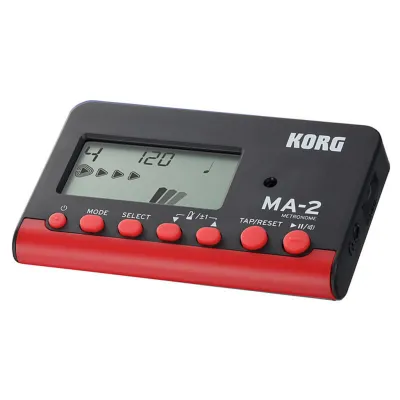
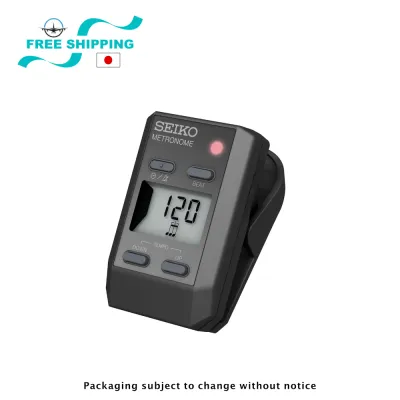


Prices are valid at publication and may change. Please refer to the product page for the latest price.
Assessing Your Piano Practice Environment and Needs
Before choosing a metronome, evaluate where and how you practice. If you live in a shared space or a typical high-density apartment in Singapore, practicing at odd hours requires careful volume control. A metronome that is too loud can disrupt family members or neighbors, while one that is too quiet will be drowned out by the natural projection of an acoustic piano. Look for devices that offer adjustable volume levels or dedicated headphone jacks if silent practice is a priority.
Your current skill level and repertoire also dictate your technical requirements. Beginners practicing basic scales and simple time signatures only need a clear, steady downbeat. Intermediate and advanced pianists tackling complex classical pieces or jazz syncopations often require advanced subdivisions, triplet patterns, and polyrhythmic settings. If you are working on pieces with frequent tempo changes, a device that allows quick adjustments will save you significant practice time.
Another often-overlooked factor is the psychological effect of the metronome’s tone. Electronic beeps and high-pitched synthetic clicks can quickly cause ear fatigue during long practice sessions. In contrast, the organic wood-block knock of a mechanical metronome or the softer, synthesized wood clicks found on premium digital models are often easier on the ears. Choosing a sound that you find tolerable—or even pleasant—can significantly extend your focused practice time.
Finally, consider the physical layout of your piano setup. An upright or grand piano offers a flat top surface or a wide music stand, but space can still be limited. Decide whether you prefer a prominent visual cue that sits in your peripheral vision or a compact device that tucks away neatly without cluttering your music desk. Digital keyboards often have less flat surface area than acoustic pianos, making smaller electronic devices or tablet apps more practical.
Mechanical Metronomes: Traditional Feel and Visual Cues
Mechanical metronomes remain a classic fixture atop acoustic pianos, valued largely for their tactile operation and organic visual feedback. The physical swinging of the metal pendulum provides a continuous visual cue that helps pianists anticipate the upcoming beat. This visual element allows you to internalize the tempo naturally, even when you temporarily play louder than the audible click.

However, these traditional wind-up devices lack the versatility of modern electronic alternatives. You will not find advanced features such as complex subdivisions, tap tempo inputs, or headphone jacks on a standard mechanical model. They produce a single, unalterable mechanical click that some players find charming, but others find difficult to hear over fortissimo piano passages.
Beyond their functional utility, mechanical metronomes often serve as beautiful decorative pieces that complement the woodwork of an acoustic piano. Crafted from wood or high-quality plastics, they add a sense of ceremony and tradition to your practice space. However, this aesthetic appeal comes with physical vulnerability. If a mechanical metronome is accidentally knocked off the piano or dropped, the delicate internal escapement mechanism can easily bend or break, requiring professional repair that may exceed the original cost of the device.
Maintenance is another critical factor to keep in mind. Mechanical metronomes rely on a spring-driven clockwork mechanism that must be wound regularly. They must sit on a perfectly level surface to maintain an even, symmetrical beat; any tilt can cause the pendulum to limp, resulting in an uneven tempo. Additionally, in humid tropical climates like Singapore, the internal metal gears and springs can be susceptible to moisture damage over time, requiring careful storage away from open windows or damp areas.
Digital Metronomes: Distraction-Free Precision
Standalone digital metronomes offer a reliable middle ground, combining electronic precision with dedicated, single-purpose hardware. The primary benefit of a digital device is the complete absence of digital distractions. Unlike smartphones, a dedicated digital metronome will not interrupt your practice session with incoming messages, social media notifications, or screen timeouts, allowing you to maintain deep focus.
For piano players, these devices provide essential utility features that simplify daily practice. Most models include adjustable volume dials, built-in speakers, and headphone outputs for private practice sessions. Many also feature a tap tempo button, which allows you to tap along with a piece of music to quickly identify and set its numerical beats-per-minute (BPM) value.
Power management is another practical consideration when evaluating digital models. Some compact units run on standard AAA or coin-cell batteries, which can last for months of daily use but require periodic replacement. Newer models often feature rechargeable lithium-ion batteries via USB-C, offering a more sustainable and cost-effective solution. Whichever power source you choose, a digital metronome ensures that you will not have to interrupt a productive practice session to wind a spring every ten minutes.
These units are highly portable and have a small physical footprint, easily fitting onto a music stand or the side of a keyboard. However, they do rely on battery power, meaning you must keep spare batteries or a charging cable on hand. While their visual cues are typically limited to small flashing LED lights or basic LCD screens, their auditory clarity and reliable timing make them highly functional tools.
Metronome Apps: Advanced Features and Convenience
Smartphone and tablet metronome applications represent the most flexible and feature-rich option available today. These apps frequently offer advanced capabilities that hardware units cannot match, such as programmable setlists, complex polyrhythm generators, visual flash patterns, and the ability to play along with backing tracks. For musicians studying contemporary genres or intricate modern classical works, these digital tools provide unparalleled customization.
For pianists who have transitioned to digital sheet music, tablet-specific metronome apps offer an incredibly streamlined workflow. Many modern tablets allow you to run a metronome app side-by-side with your sheet music reader using split-screen multitasking. This integration keeps your music and your timing tool in a single, highly visible location, eliminating the need to balance multiple physical devices on a crowded music stand.
The obvious advantage of an app is convenience, as your smartphone is almost always with you. However, this convenience comes with the significant risk of digital distraction. It requires self-discipline to keep your phone on the music stand without checking notifications or browsing the internet during your dedicated practice time.
When using an app, audio routing is an important consideration for piano players. The built-in speakers of most smartphones can sound thin and may be easily drowned out by an acoustic piano. Connecting your device to an external Bluetooth speaker or using wired headphones can resolve this issue. If you use wireless headphones, be sure to check for audio latency, as even a slight delay between the visual screen flash and the audible click can disrupt your timing.
Feature Comparison for Piano Players
To help you weigh the trade-offs of each option, the table below outlines how mechanical, digital, and app metronomes compare across key practical dimensions.
| Metronome Type | Visual Cues | Audio Clarity | Advanced Rhythms | Portability | Typical Price Range |
|---|---|---|---|---|---|
| Mechanical | Excellent (Swinging Pendulum) | Moderate (Fixed Click) | None (Basic Beats Only) | Low (Bulky & Delicate) | S$40 to S$120+ |
| Digital | Moderate (LED Flashing) | High (Adjustable Volume) | Moderate (Basic Subdivisions) | High (Compact Hardware) | S$20 to S$80 |
| App | High (Screen Flashes/Animations) | High (Custom Sounds/Routing) | Excellent (Polyrhythms/Custom) | High (Always on Phone) | Free to S$15 (Premium) |
When interpreting this comparison, consider which trade-offs align with your daily routine. If you value a beautiful physical object that encourages focused, traditional practice, the higher investment in a mechanical model may be justified. If you prioritize portability and advanced rhythmic training on a budget, an app or a compact digital device will offer better practical value.
How to Choose the Right Metronome for Your Setup
To make your final decision, match your specific practice habits and environment to one of the following profiles:
- Choose Mechanical if you practice in a quiet, dedicated space, appreciate traditional aesthetics, and rely heavily on visual cues to internalize the beat. Ensure you have a flat, level surface on your piano to place the device.
- Choose Digital if you need a reliable, distraction-free tool that you can easily toss into a gig bag. This is ideal for students who practice in shared environments and require headphone support or precise volume control without the temptation of a smartphone screen.
- Choose an App if you are a tech-savvy player who needs to practice complex subdivisions, polyrhythms, or custom tempo changes. It is also the most budget-friendly option if you already own a compatible smartphone or tablet.
If you decide to use a smartphone app, always verify device compatibility in your app store and test for audio latency. Using wired headphones or a low-latency external speaker will ensure the audible click aligns perfectly with your playing.
Frequently Asked Questions (FAQ)
Do I need a metronome with a built-in tuner for piano practice?
No, a built-in chromatic tuner is generally redundant for piano players. Unlike string or wind instruments that require daily tuning by the player, acoustic pianos are tuned periodically by professional technicians, and digital pianos remain permanently in tune. A standalone metronome or a dedicated app is a more cost-effective and streamlined choice for your daily practice needs.
How loud should a metronome be when playing the piano?
Your metronome should be set just loud enough to be clearly heard over your piano playing without overpowering the instrument’s natural dynamics. If the click is too loud, it can mask subtle articulations and prevent you from listening critically to your tone. For silent practice or when playing high-volume passages, using headphones with a digital metronome or app can help you monitor the beat clearly without straining your hearing.
Community discussion
Share your experience or ask a question. Comments are reviewed before publication.