
Choosing the right metronome is not about finding a single universal winner, but rather matching the tool to your specific instrument, practice environment, and lifestyle. Whether you are practicing classical piano in a quiet living room, drumming in a soundproofed studio, or practicing violin on the go, the way you interact with timekeeping shapes your musical progress. The three primary formats—mechanical, digital, and app-based—each offer distinct advantages. Mechanical metronomes provide a tactile, visual rhythm that has guided musicians for centuries. Digital metronomes offer electronic precision, robust volume controls, and dedicated physical buttons. App-based metronomes turn your existing smartphone or tablet into a highly customizable, portable practice suite. Understanding how these operating mechanisms align with your daily routine is the first step toward choosing the right tool.
Understanding the Three Metronome Formats
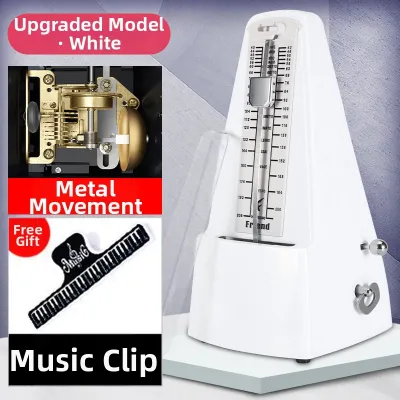
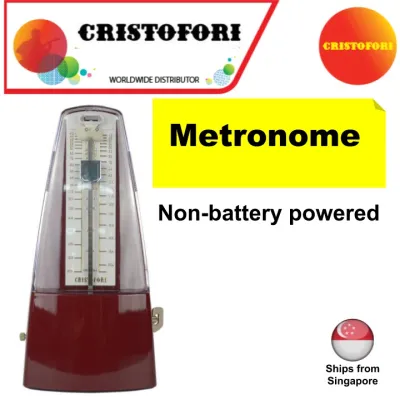
Mechanical metronomes rely on a traditional wind-up spring mechanism to drive a physical pendulum. As the pendulum swings back and forth, it creates a natural visual cue that helps musicians anticipate the upcoming beat. This design relies entirely on mechanical energy, meaning you do not need batteries or power outlets to keep it running. The classic wooden or plastic pyramid-shaped casing houses a clockwork mechanism that produces a distinct, organic acoustic click. To adjust the tempo, you simply slide the weight up or down the pendulum rod, utilizing the physics of a lever to speed up or slow down the swing.
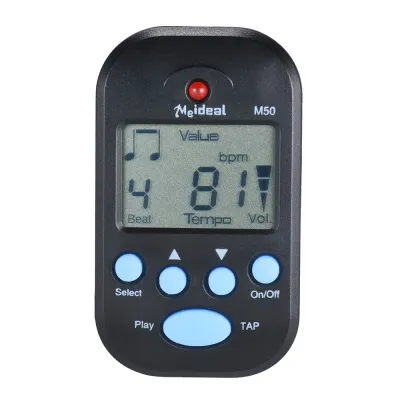
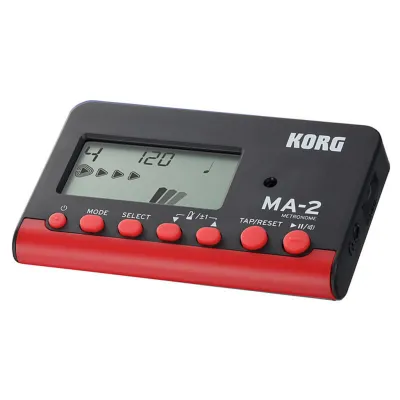
Digital metronomes utilize quartz or electronic circuitry to maintain precise tempo. These devices use internal electronic oscillators to ensure microsecond accuracy, displaying the tempo on an LCD or LED screen. They typically feature physical buttons or dials, built-in speakers, and dedicated headphone jacks for silent practice or high-volume monitoring. Running on standard replaceable or rechargeable batteries, digital metronomes offer consistent performance without the need for manual winding. Their electronic nature allows manufacturers to pack multiple features, such as pitch generators and rhythm patterns, into a single compact unit.
Products mentioned in this guide
![[ammoon]Mini Mechanical Metronome Metronome 11cm Height for Piano Guitar Violin Ukulele Chinese Zither Music Instrument](https://img.lazcdn.com/g/p/e4eaa79e93ed7878152adf9a8e0ce73d.jpg_400x400q80.jpg_.webp)
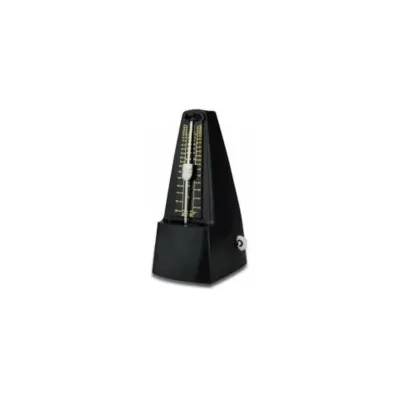
Prices are valid at publication and may change. Please refer to the product page for the latest price.
App-based metronomes leverage the processing power of modern smartphones and tablets. These applications turn your smart device into a highly flexible practice tool with touch-screen controls, dynamic visual animations, and customizable sound libraries. Because they run on multi-purpose hardware, they are highly portable and can easily run alongside other music apps, such as digital sheet music readers or tuning software. However, because they share system resources with other applications, their performance depends on your device’s operating system, battery life, and background processing limits.
Key Decision Factors for Your Practice Routine
Different instruments and practice environments demand different sensory cues from a metronome. Acoustic pianists and orchestral string players often appreciate the wide, sweeping visual cue of a physical pendulum, which allows them to anticipate the downbeat using peripheral vision without looking away from their sheet music. Conversely, drummers, brass players, or electric guitarists practicing with amplification require high volume levels or direct headphone monitoring. Mechanical models cannot provide this level of volume, making electronic or digital alternatives necessary for high-decibel environments.

Portability and physical space constraints also play a major role in your decision. If you have a dedicated music room with a piano or a heavy music stand, a stationary mechanical metronome can sit permanently in place as a classic fixture. However, if you commute to music lessons, rehearse in shared studios, or travel frequently, a compact digital unit or a smartphone app is far more practical. In compact living spaces, such as typical high-rise apartments, the ability to control volume or plug in headphones is essential to maintain a quiet household and avoid disturbing neighbors.
Functional demands vary widely depending on your genre and skill level. Simple classical pieces or basic exercises are easily handled by any standard metronome. However, if you are tackling complex contemporary compositions, jazz, or progressive rock, you may require complex rhythmic subdivisions, polyrhythms, or sudden tempo changes. Digital units and apps excel in these scenarios, allowing you to program specific beat patterns, mute certain beats to test your internal timing, or even chain different tempos together for structured practice sessions.
Finally, consider power dependency and long-term durability. A mechanical metronome is a long-term investment that can last for decades if properly maintained, free from the worry of battery degradation or software obsolescence. Digital metronomes are also highly durable but depend on battery replacements or charging cables. Apps are incredibly convenient but drain your phone’s battery and can be interrupted by incoming calls, messages, or operating system updates that might disrupt your practice flow.
Feature and Usability Comparison
To help you evaluate the trade-offs of each format, the table below outlines how they compare across key usability dimensions.
| Feature | Mechanical Metronome | Digital Metronome | App-Based Metronome |
|---|---|---|---|
| Sound Control | Fixed acoustic click; no volume adjustment | Adjustable volume; headphone jack output | Adjustable volume; headphone or Bluetooth output |
| Visual Cues | Sweeping physical pendulum | Flashing LED lights or small LCD screen | Dynamic screen animations and flashes |
| Beat Complexity | Basic time signatures; limited subdivisions | Advanced subdivisions and polyrhythms | Highly customizable patterns and programming |
| Portability | Bulky; requires flat, stable surface | Compact and pocket-sized | Extremely portable (on your existing device) |
| Power Source | Manual wind-up spring | Replaceable or rechargeable batteries | Device battery (requires charging) |
| Ideal Environment | Quiet, dedicated practice rooms | Studios, stages, and noisy environments | Casual practice, travel, and multi-app setups |
Because specific features like maximum volume, exact battery life, or Bluetooth latency vary widely by model and device, use this comparison as a guide to test individual products or apps against your personal setup rather than relying on generic specifications.
Matching the Metronome to Your Instrument and Lifestyle
Choose a mechanical metronome if you play traditional acoustic instruments like the piano, violin, or classical guitar, and you practice in a quiet, dedicated space. The physical presence of a mechanical metronome encourages a focused, screen-free environment. The natural acoustic click blends beautifully with acoustic instruments, and the sweeping pendulum provides an intuitive sense of timing that electronic screens struggle to replicate. It is an excellent choice for classical musicians who value tradition, tactile feedback, and a dedicated practice ritual.
Choose a digital metronome if you need a reliable, high-volume tool for diverse practice environments, including band rehearsals, drum practice, or live stage performances. If you play an amplified instrument or brass instruments that easily drown out acoustic clicks, a digital metronome with a dedicated headphone jack or line-out is indispensable. It is also the right choice if you want a dedicated, distraction-free device that is still highly portable and rugged enough to toss into an instrument case.
Choose an app-based metronome if you are looking for a cost-effective, highly versatile solution for casual practice, travel, or multi-functional learning. If you already carry a smartphone or tablet to read sheet music, an app integrates seamlessly into your digital workflow. It is ideal for students or musicians who want to experiment with complex subdivisions, custom playlists, and integrated tools like tuners without carrying extra gear.
Before relying entirely on an app or a digital device with wireless capabilities, verify the audio latency. Bluetooth headphones or speakers often introduce a slight delay between the visual flash and the audible click, which can disrupt your timing. If you plan to use other apps simultaneously, check if your chosen metronome app supports uninterrupted background audio playback on your specific operating system.
What to Check Before You Buy
If you choose a digital or app-based metronome, inspect the available audio output options. For silent practice or high-volume environments, ensure the digital device has a standard physical headphone jack. If using an app, test it with wired headphones first; if you must use wireless earbuds, check for adjustable latency settings within the app to align the audio click perfectly with your visual cues.
When selecting a mechanical metronome, check for a secure pendulum locking mechanism. This lock protects the delicate internal pivot and spring during transport. Additionally, verify the casing material and winding mechanism; a sturdy key and a level base are essential for maintaining an even beat, especially in humid tropical climates where wood or internal metal springs might require extra care.
For app-based solutions, review the app store details regarding permissions, background audio policies, and advertisements. A good practice metronome should run smoothly in the background while you view sheet music. Avoid apps that interrupt your practice sessions with full-screen video ads or require unnecessary access to your personal data or location.
Frequently Asked Questions (FAQ)
Do I need a physical metronome if I have a smartphone app?
While smartphone apps are highly convenient and feature-rich, a physical metronome—whether mechanical or digital—offers distinct advantages in focus and reliability. Smart devices are hubs for distractions, where incoming notifications, messages, and social media alerts can easily interrupt your practice flow. A dedicated physical metronome has only one job, helping you maintain a disciplined, screen-free practice environment. Furthermore, physical buttons on digital metronomes allow for quick, tactile adjustments without looking at a screen, and physical devices do not suffer from operating system crashes or battery drain from other apps.
Can mechanical metronomes lose accuracy over time?
Yes, mechanical metronomes can experience changes in accuracy due to physical wear, environmental factors, and improper placement. Because they rely on a physical spring and gravity-driven pendulum, they must be placed on a completely flat, level surface to tick evenly; an uneven surface will cause an asymmetrical beat. Over time, the internal spring can lose tension, and dust or humidity can affect the gears. To maintain accuracy, always wind the spring fully but do not over-tighten it, store the device with the pendulum locked, and consult the manufacturer’s guidelines for occasional cleaning or servicing.
Community discussion
Share your experience or ask a question. Comments are reviewed before publication.