
Selecting the right cajon depends heavily on your performance environment, playing experience, and tonal expectations. The choice between the Meinl Percussion series and the Meinl Classics series represents a decision between rugged, versatile utility and premium, acoustic sophistication. For most players, the distinction comes down to where and how the instrument will be played, as well as the level of dynamic sensitivity required from the hand percussion setup.
The Meinl Percussion series is designed primarily as a versatile, everyday workhorse. It targets beginners, intermediate players, and active street performers who require durable, consistent builds that can withstand frequent transport and varying environmental conditions. In contrast, the Meinl Classics series—which includes highly refined lines such as the Artisan Edition models—focuses on premium tonewoods, nuanced acoustic projection, and artisan craftsmanship. These instruments are tailored for professional studio recording, intimate acoustic sets, and live performances where subtle dynamic variations are critical. Choose the Percussion series for durability, reliable projection, and budget-friendly utility; choose the Classics series for premium resonance, complex overtones, and studio-grade sensitivity.
Build and Materials: Standard Durability vs Premium Tonewoods
Meinl segments its cajon manufacturing processes to serve two distinct philosophies: accessible, high-volume production that emphasizes structural resilience, and low-volume, handcrafted fabrication that prioritizes acoustic purity. The physical construction, wood selection, and internal hardware configurations of these two series directly determine their longevity, weight, and playability. Understanding these structural differences prevents purchasing an instrument that is either too delicate for rugged gigging or too acoustically stiff for delicate studio work.
Products mentioned in this guide
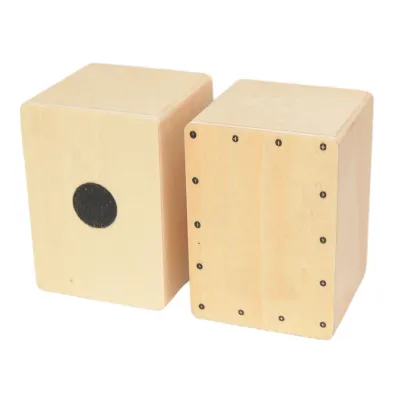
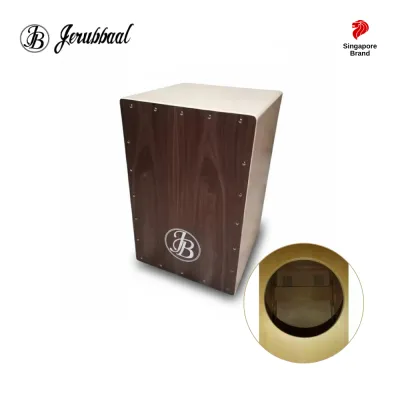
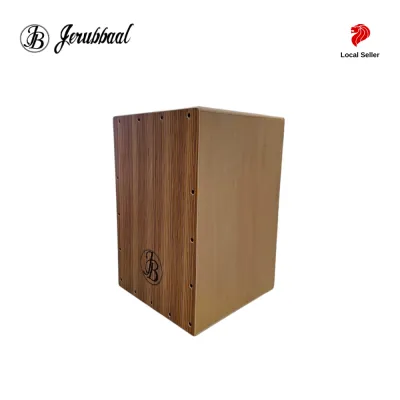
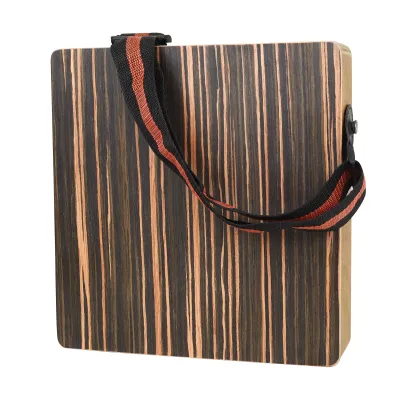
Prices are valid at publication and may change. Please refer to the product page for the latest price.
When evaluating any cajon, you should always verify the exact wood species, ply count, and snare system on the specific model’s specification sheet. While general series traits offer a reliable guide, individual models within both the Percussion and Classics lines can feature unique material combinations or proprietary hardware configurations that deviate from the standard baseline.
Meinl Percussion Series Construction
The Meinl Percussion series relies heavily on robust, layered woods designed to deliver structural stability and consistent acoustic performance. The most common material found in this line is multi-ply Baltic birch (Betula pendula) or medium-density fiberboard (MDF) paired with a birch frontplate. Layered wood construction is highly resistant to warping and cracking, making these instruments exceptionally stable under changing temperature and humidity levels.
The hardware in the Percussion series is engineered for simplicity and durability. These models typically feature fixed internal snare wires that are pressed against the back of the frontplate, or straightforward dual-snare systems that require minimal adjustment. The corners of the playing surface are often slightly rounded to improve hand comfort, and the overall frame is reinforced to handle the physical demands of frequent transport, outdoor busking, and heavy-handed playing styles.
Meinl Classics Series Construction
The Meinl Classics series utilizes carefully selected, premium tonewoods chosen specifically for their acoustic resonance and aesthetic beauty. Frontplates in this category often feature exotic veneers or solid cuts of woods such as Spanish oak, walnut, Makah-burl, or eucalyptus. The body of the instrument is frequently constructed from solid wood or high-grade, resonance-optimized Baltic birch plies that are thinner and more responsive than those used in standard models.
Craftsmanship in the Classics series is characterized by artisan-level finishing and sophisticated internal hardware. These cajons often feature adjustable string or snare systems, allowing players to fine-tune the tension and buzz response using external screws or tuning dials. The edges of the body are meticulously contoured to maximize ergonomic comfort, and the internal chamber may include specialized bass reflex systems or sound ports designed to project low frequencies more efficiently without adding physical bulk.
Sound Characteristics: Everyday Versatility vs Studio Nuance
An instrument’s voice is a direct product of its materials, internal dimensions, and snare configuration. The way air moves inside the wooden box and how the frontplate responds to hand strikes defines the tonal boundary of each series. While striking technique, hand placement, and head tension play massive roles in the final sound, the inherent acoustic profile of the cajon sets the baseline for what can be achieved in a performance or recording session.

Tonal Profile of the Percussion Series
The sound signature of the Meinl Percussion series is balanced, punchy, and highly articulate. Because these models often use denser, layered woods and fixed snare configurations, they produce a very clean separation between the low-end bass notes and the high-pitched corner slaps. The snare response is tight and immediate, with minimal sustain or lingering buzz after the strike.
This controlled tonal profile is highly advantageous in amplified settings. The tight bass response prevents low-end feedback when the instrument is close-mic’d, while the sharp, articulate slap cuts easily through dense band mixes. This makes the Percussion series exceptionally versatile for modern pop, rock, contemporary worship, and outdoor street performances where clarity and projection are prioritized over subtle harmonic overtones.
Tonal Profile of the Classics Series
The sound signature of the Meinl Classics series is warm, deeply resonant, and highly expressive. The premium tonewoods and thinner body walls allow the entire instrument to vibrate as a single acoustic unit, producing a rich, booming bass response and complex harmonic overtones. The transition between the bass tone and the high-end slap is smooth and organic, offering a wide spectrum of mid-range tones that are often absent in standard models.
The snare systems in the Classics series are highly sensitive to dynamic changes, responding to the lightest finger rolls and ghost notes with crisp, textured buzzing. This level of sensitivity and tonal warmth makes the Classics series ideal for acoustic ensembles, jazz trios, traditional flamenco, and studio recording environments where the natural acoustic character of the instrument is captured by high-quality microphones.
At-a-Glance Comparison: Meinl Percussion vs Classics Series
The following table outlines the general differences between the standard Meinl Percussion series and the premium Meinl Classics series. Because technical specifications can vary across specific models within each line, always verify the exact dimensions, weight, and hardware configuration on the manufacturer’s official spec sheet before purchasing.
| Comparison Dimension | Meinl Percussion Series | Meinl Classics Series |
|---|---|---|
| Primary Wood Focus | Multi-ply Baltic Birch, MDF, or standard Maple | Selected Tonewoods (Spanish Oak, Walnut, Exotic Veneers) |
| Snare System Type | Fixed internal snare wires or basic dual-snare systems | Adjustable metal strings, custom-tuned snares, or dial systems |
| Tonal Character | Punchy, articulate, tight bass, clear slap separation | Warm, highly resonant, deep bass, complex overtones |
| Dynamic Sensitivity | Moderate; optimized for standard hand strikes and projection | High; responsive to light finger taps and subtle dynamics |
| Ideal Use Case | Busking, amplified band mixes, rehearsals, beginners | Studio recording, intimate acoustic sets, professional performances |
| Relative Price Tier | Budget to Mid-Range | Premium / Professional Investment |
Moving from the Meinl Percussion series to the Classics series represents a clear shift from utilitarian reliability to acoustic luxury. While a Percussion series model serves as an excellent, durable tool for everyday rhythm-keeping, a Classics series model functions as a highly responsive acoustic instrument that rewards refined playing techniques with superior tonal depth.
Price Positioning: Budgeting for Your Meinl Cajon in Singapore
When planning your purchase in Singapore, understanding the price positioning of these two series helps you align your budget with your musical goals. The Meinl Percussion series sits comfortably in the entry-to-mid-level investment tier. It offers exceptional value for money, making it an attractive choice for students, hobbyists, and working musicians who need a reliable instrument that performs consistently without requiring a significant financial outlay.
The Meinl Classics series represents a premium investment. The higher price point reflects the cost of sourcing high-grade tonewoods, implementing adjustable snare hardware, and the labor-intensive hand-finishing processes associated with low-volume production. For professional percussionists, recording artists, and dedicated enthusiasts, this premium is justified by the instrument’s superior acoustic response and long-term performance value.
To secure the best value and ensure product authenticity, check authorized local music retailers in Singapore for current SGD pricing, seasonal promotions, and immediate stock availability. Visiting a physical showroom allows you to test the physical comfort and acoustic response of different models in person before committing to a purchase.
Additionally, factor the cost of essential accessories into your total budget. When investing in a premium Classics series instrument, purchasing a high-quality, heavily padded gig bag is strongly recommended to protect the delicate wood veneers from physical damage and environmental exposure during transport. You should also verify the warranty terms provided by the authorized distributor to ensure your investment is protected against manufacturing defects.
Decision Framework: Final Rules for Your Playing Style
To finalize your decision, analyze your specific playing style, performance environments, and long-term musical aspirations against the following conditional rules.
- Choose the Meinl Percussion series if:
- You are a beginner or intermediate player looking for an accessible, high-quality entry point into hand percussion.
- You primarily perform outdoors, go busking, or travel frequently, requiring a rugged instrument that tolerates humidity changes.
- You play in loud, amplified bands where you need a tight, punchy sound with clear snare separation that cuts through the mix without feedback.
- You want a reliable, low-maintenance instrument that does not require frequent hardware tuning or delicate handling.
- Choose the Meinl Classics series if:
- You are a professional percussionist, studio musician, or advanced player who demands the highest level of dynamic sensitivity and tonal warmth.
- Your performances are primarily acoustic, intimate, or centered around genres like jazz, flamenco, or folk where subtle acoustic textures are critical.
- You prioritize visual aesthetics and want an instrument crafted from premium, visually striking exotic tonewoods.
- You require adjustable snare or string systems to customize the buzz response and tension to match your specific hand-striking style.
- Verify first if:
- You plan to use specialized accessories, such as a left-foot cajon pedal or direct-out pickup systems. Always check the exact model's physical dimensions, frontplate thickness, and hardware compatibility on the manufacturer's spec sheet before completing your purchase.
- The specific model you are considering has unique care instructions, especially if it features solid wood components that require controlled storage conditions.
Ultimately, the best cajon is the one that fits comfortably against your body, responds naturally to your physical touch, and inspires you to practice and perform. Whether you opt for the rugged utility of the Percussion series or the expressive depth of the Classics series, verifying your choice against your primary playing environment ensures long-term musical satisfaction.
Frequently Asked Questions (FAQ)
Do I need to adjust the snare wires on a new Meinl cajon?
Most Meinl cajons are set up and pre-tuned at the factory to deliver a balanced sound immediately out of the box. However, minor adjustments may be desired to eliminate sympathetic buzzing or to tighten the snare response to match your personal playing style.
Before making any adjustments, consult the user manual included with your specific model to understand its exact mechanism. Many Percussion series models feature fixed snares that should not be altered, while Classics models often feature external adjustment dials or internal guitar string tension screws. Always use the provided tuning wrench or adjustment tool, and avoid over-tightening or forcing any internal components. If a tuning mechanism feels stuck or if you are unsure of the process, stop immediately and consult a qualified technician at an authorized local music retailer to avoid damaging the instrument or voiding your warranty.
Are premium tonewood cajons suitable for outdoor busking in Singapore?
Premium tonewoods, such as those used in the Meinl Classics series, are highly sensitive to rapid fluctuations in humidity and temperature. Singapore’s tropical climate—characterized by high relative humidity and sudden shifts between air-conditioned interiors and hot, humid outdoor environments—poses a significant risk to high-end acoustic instruments. Extreme humidity fluctuations can cause solid woods and delicate veneers to warp, swell, or crack, which severely compromises the instrument’s structural integrity and acoustic projection.
For frequent outdoor busking or street performances in Singapore, a durable, layered model from the Meinl Percussion series is highly recommended. These instruments utilize stable wood plies and synthetic finishes that resist environmental stress much more effectively. If you must use a premium Classics cajon outdoors, strictly limit its exposure to direct sunlight and moisture, store it in a high-quality, climate-controlled padded gig bag immediately after playing, and avoid leaving the instrument in hot vehicles or unventilated spaces.
Community discussion
Share your experience or ask a question. Comments are reviewed before publication.