
Finding the right personal finance book depends on your current financial literacy, your immediate goals, and the specific methodology that resonates with your lifestyle. The market offers a wide array of personal finance literature, ranging from classics that advocate for extreme frugality to modern guides focusing on automated wealth building. Evaluating how a book’s core pillars align with your personal milestones is essential for making an informed choice.
By comparing the structural design, complexity, and regional adaptability of these titles, you can select the exact text that will help you take actionable control of your financial future. Whether you are looking to build a foundational budget or scale existing investments, understanding these differences ensures you invest your reading time wisely.
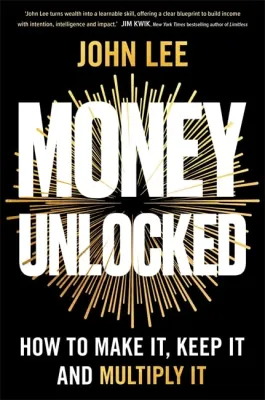
Core Focus and Approach of Money Unlocked
Money Unlocked is structured to demystify personal finance by breaking down complex economic concepts into highly digestible, actionable steps. The book primarily focuses on bridging the gap between psychological mindset shifts and practical execution, ensuring that readers do not just understand the theory of wealth but also feel empowered to implement it.
Products mentioned in this guide

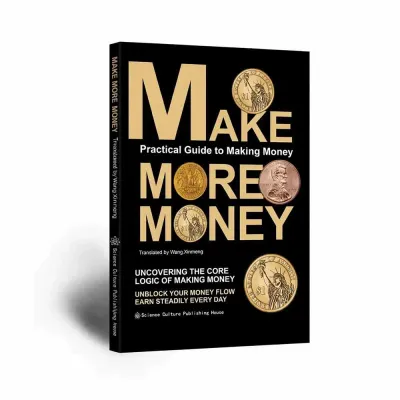
Prices are valid at publication and may change. Please refer to the product page for the latest price.
The core pillars of the book typically span foundational mindset shifts, structured budgeting frameworks, systematic debt management, and the basics of long-term investing. Rather than focusing solely on extreme deprivation, the methodology emphasizes optimizing cash flow and understanding how money can be utilized as a tool for personal freedom.
The perspective driving this advice is rooted in modern financial realities, acknowledging that traditional advice from decades past may not fully address contemporary challenges such as rising living costs, gig economy dynamics, and digital investment platforms. This makes the narrative highly relatable for readers navigating modern economic landscapes.
In terms of target audience, the book is primarily designed for beginners and intermediate earners who feel overwhelmed by financial jargon. If you are looking for a clear, step-by-step roadmap to transition from living paycheck-to-paycheck to building a resilient investment portfolio, this text serves as an accessible entry point. Advanced investors seeking complex tax shelter strategies or derivative trading guides may find the content too foundational, as its strength lies in establishing robust, repeatable financial habits.
Comparing Key Financial Dimensions Across Popular Titles
When evaluating personal finance literature, books generally fall into distinct philosophical camps. Some classic texts advocate for extreme frugality and aggressive debt elimination as the sole path to financial peace, while others focus heavily on entrepreneurial income generation or the mechanical simplicity of passive index fund investing.

Money Unlocked positions itself in a balanced middle ground, combining behavioral psychology with practical cash-flow management. It recognizes that while cutting expenses is highly beneficial for building an initial emergency fund, long-term wealth scaling requires active optimization of income and consistent, automated investing.
The complexity of the financial instruments discussed also varies significantly across popular titles. While some advanced manuals dive deep into real estate leverage, corporate structures, and complex tax minimization strategies, Money Unlocked keeps its focus on highly accessible instruments. It guides readers through standard savings accounts, retirement funds, and diversified index portfolios, making it highly practical for everyday execution.
To help you visualize how these approaches differ, the following comparison matrix outlines the structural focus, primary philosophy, and target complexity of several prominent financial methodologies:
| Book / Methodology Type | Primary Philosophy | Core Financial Focus | Target Complexity | Best Suited For |
|---|---|---|---|---|
| Money Unlocked | Balanced optimization & mindset | Cash-flow management, automated investing, behavioral shifts | Beginner to Intermediate | Readers seeking a modern, step-by-step roadmap to financial habits |
| Extreme Frugality Classics | Debt aversion & strict budgeting | Rapid debt payoff, severe expense reduction, cash envelope systems | Beginner | Individuals facing high-interest debt who need immediate behavioral boundaries |
| Wealth-Building / Income Focus | Entrepreneurship & asset acquisition | Building businesses, real estate leverage, high-risk investments | Intermediate to Advanced | Aspiring business owners and investors comfortable with higher risk profiles |
| Passive Indexing Guides | Market-matching & long-term holding | Low-cost index funds, asset allocation, hands-off compounding | Beginner to Intermediate | Long-term savers who want a simple, mathematically proven investment strategy |
Matching Book Methodologies to Your Financial Stage
Selecting the right personal finance book requires an honest assessment of your current financial stage and immediate pain points. A book that focuses heavily on advanced stock market strategies will offer little value if your primary challenge is managing high-interest credit card debt or establishing a basic emergency fund.
You should choose Money Unlocked if you find yourself struggling with the psychological barriers of saving, need a clear framework to organize your monthly cash flow, or want a gentle introduction to the world of investing without being overwhelmed by technical jargon. It is highly suited for those who need to build a sustainable, long-term relationship with money from the ground up.
Conversely, if your immediate goal is aggressive debt elimination and you require a highly structured, almost rigid plan to pay off outstanding liabilities, a classic debt-focused methodology might be more appropriate. If you have already mastered the basics of budgeting, possess a fully funded emergency fund, and are looking to scale your wealth through complex tax optimization, real estate syndication, or advanced portfolio construction, you should seek out specialized, advanced investing guides.
Mapping your personal milestones to the actionable outcomes promised by each book is crucial. For instance, if your current milestone is saving your first S$10,000, look for chapters detailing automated savings structures and expense tracking. If your milestone is transition-planning or estate management, recognize that general personal finance books are not designed for these complex scenarios.
It is also important to identify scenarios where no book can replace personalized, professional guidance. If you are dealing with intricate cross-border tax liabilities, complex estate planning, or structuring a business entity, book methodologies should only serve as background education. In these instances, consulting a qualified financial advisor or certified tax professional is essential to ensure compliance with local regulations.
Verifying Editions, Formats, and Regional Relevance
Before purchasing any personal finance book, it is vital to verify the specific edition and publication date. Financial regulations, tax brackets, and investment account rules change frequently; a book published a decade ago may reference outdated contribution limits or obsolete tax laws that could lead to costly mistakes if followed blindly.
Always check the publication details to ensure you are reading the most recent edition, especially if the book contains step-by-step guides on tax-advantaged accounts. If you are reading an older edition, make it a habit to cross-reference any specific regulatory claims with current official government portals.
The format of the book also plays a significant role in how effectively you can apply its teachings. Physical books and e-books often allow you to easily highlight key passages, take notes, and complete the included worksheets or budgeting templates. If you prefer audiobooks, verify whether the publisher provides a downloadable PDF companion containing the charts, checklists, and exercises referenced by the narrator.
Regional relevance is another critical factor to consider, as many popular personal finance books are written from a heavily Western or US-centric perspective. They frequently reference specific accounts like the 401(k), IRA, or Roth IRA, which do not exist in other jurisdictions.
When reading these guides in Singapore, for example, you must learn to translate these concepts to the local financial landscape. A discussion on tax-deferred retirement savings should be mapped to the Central Provident Fund (CPF) or the Supplementary Retirement Scheme (SRS). Similarly, general advice on home ownership and mortgages must be adapted to the unique dynamics of the local housing market, such as HDB flat purchases and local bank loan structures. Always verify how the universal principles of compounding and budgeting apply to your specific local legal and tax environment.
Frequently Asked Questions (FAQ)
Do I need prior financial knowledge to read Money Unlocked?
No prior financial knowledge is required to read and benefit from Money Unlocked. The book is specifically written to be accessible to absolute beginners, avoiding dense academic jargon and explaining essential financial terms as they are introduced.
If you feel completely unfamiliar with basic concepts like interest rates, inflation, or budgeting, the book’s introductory chapters provide a gentle onboarding experience. To maximize your reading, you can also familiarize yourself with basic terms through free local educational resources or introductory personal finance articles before diving into the more structured chapters.
Can the strategies in Money Unlocked be applied outside the author's home country?
Yes, the core strategies in Money Unlocked are built on universal financial principles that apply regardless of where you live. Concepts such as behavioral psychology, tracking cash flow, automating savings, and the power of compound interest remain consistent across all global markets.
However, you will need to adapt the specific account names and tax strategies to your local system. For instance, if the book references a specific foreign retirement account, readers in Singapore should apply those principles to their CPF accounts or the Supplementary Retirement Scheme (SRS). Focus on the underlying methodology—such as tax-advantaged compounding—rather than the specific foreign account labels.
Community discussion
Share your experience or ask a question. Comments are reviewed before publication.