
Murdoku represents an innovative fusion of interactive logic puzzles and suspenseful mystery narrative, making it a standout addition to Singapore’s contemporary literary scene. For local readers, this book offers a refreshing departure from traditional fiction by transforming the solitary act of reading into an active, analytical game. Whether you are a seasoned mystery enthusiast or a casual puzzle solver looking for a unique intellectual challenge, Murdoku provides an engaging, hands-on experience that fits perfectly into the fast-paced lifestyle of modern Singapore. By blending the structured mechanics of Sudoku with the unpredictable twists of a detective story, the book challenges readers to step into the shoes of an investigator, solving grids to unlock crucial plot points and character motives.
The Core Appeal of Murdoku for Local Readers
The primary draw of Murdoku lies in its interactive structure, which bridges the gap between passive entertainment and active cognitive engagement. Unlike standard mystery novels where readers simply observe a detective uncovering clues, this format requires you to actively participate in the investigative process. Each puzzle solved acts as a key that unlocks the next phase of the narrative, creating a highly rewarding loop of intellectual effort and narrative progression. This hands-on approach turns the book into a tangible, tactile experience that stands out in an increasingly digital world.
For contemporary fiction enthusiasts in Singapore, this hybrid format resonates deeply with a culture that values both mental stimulation and efficient, engaging leisure activities. The familiar, comforting structure of Sudoku—a puzzle many local commuters regularly solve on their daily MRT journeys—is elevated into a narrative device that drives a larger, more complex story. This familiarity makes the book highly accessible, while the addition of a suspenseful plot provides a compelling reason to keep turning the pages. It offers a perfect balance of analytical thinking and creative storytelling, making it an ideal companion for quiet weekends or focused reading sessions.
Products mentioned in this guide
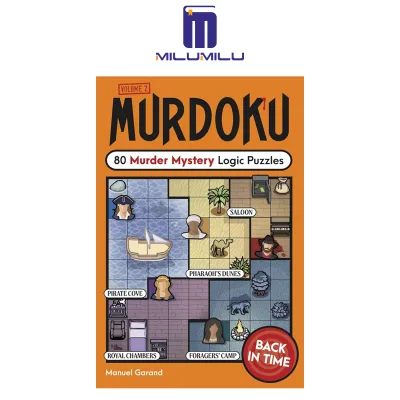
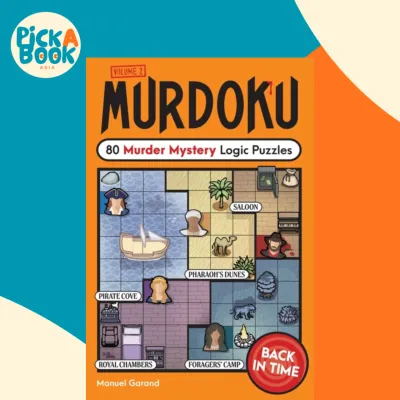
Prices are valid at publication and may change. Please refer to the product page for the latest price.
Ultimately, Murdoku is best suited for readers who appreciate a multi-sensory and highly engaging literary experience. If you enjoy escape rooms, logic puzzles, or detective board games, this book offers a similar sense of satisfaction in a portable, written format. It is also an excellent choice for local book collectors who want to support innovative Singaporean literature and experience how regional writers are pushing the boundaries of traditional genre fiction.
Unpacking the Premise and Central Themes
At its heart, the narrative of Murdoku centers on a protagonist thrust into a high-stakes scenario where logic is the only tool for survival. The story begins in a highly structured, familiar urban environment, but this sense of security is quickly shattered by a series of mysterious events. The inciting incident establishes a clear connection between a sequence of crimes and a set of intricate, grid-based puzzles left behind at each scene. To progress through the investigation and understand the motives of the antagonist, the main character—and by extension, the reader—must decode these mathematical challenges, establishing a tense, intellectual duel that forms the backbone of the book.

One of the most compelling thematic elements explored in the text is the delicate balance between order and chaos. The game of Sudoku is governed by strict, unyielding rules where every number has its exact, logical place, representing a desire for absolute control and predictability. In contrast, the central mystery represents the ultimate disruption of order, highlighting the messy, unpredictable nature of human emotions, greed, and malice. This thematic tension reflects a broader observation of modern societal structures, particularly in highly organized urban environments like Singapore, where individuals often strive for perfect order in their daily lives while grappling with the chaotic, unpredictable realities of human relationships and personal identity.
Additionally, the book delves into the psychological toll of obsession and intellectual pride. As the characters become deeper involved in solving the puzzles, the line between duty and obsession begins to blur, raising questions about the limits of human intellect and the dangers of viewing real-world crises as mere games. The author uses these themes to prompt readers to reflect on how they approach challenges in their own lives, questioning whether a purely logical approach is always sufficient when dealing with complex human dilemmas.
The author’s narrative tone and pacing are carefully calibrated to support this unique structure. The prose alternates between fast-paced, suspenseful narrative sequences that build tension and quieter, more introspective moments dedicated to puzzle-solving. This deliberate pacing ensures that readers do not feel overwhelmed by constant action, giving them the necessary mental space to engage with the puzzles without losing the overall momentum of the plot. The writing style remains clear and sharp, ensuring that both the narrative descriptions and the puzzle instructions are easy to comprehend.
Is Murdoku the Right Read for You?
Determining whether Murdoku is the right addition to your reading list depends heavily on your personal preferences regarding narrative pacing and reader participation. The ideal reader for this book is someone who actively enjoys being challenged and does not mind slowing down to work through a puzzle before moving on to the next chapter. If you find satisfaction in the methodical process of elimination, spatial reasoning, and logical deduction, you will likely find the integration of Sudoku grids into the storyline to be a brilliant and highly satisfying mechanic.
However, this interactive format does introduce certain limitations that might not appeal to every fiction enthusiast. Readers who prefer a seamless, uninterrupted narrative flow may find the transition from reading to puzzle-solving to be disruptive to their immersion. If your primary goal is to lose yourself in a fast-paced thriller during a quick commute, having to stop and solve a grid to find out what happens next could feel more like an obstacle than an enjoyment. Furthermore, those who genuinely dislike logic puzzles or math-adjacent challenges may find the core mechanic frustrating, which can detract from the enjoyment of the underlying story.
To set accurate expectations, it is helpful to compare Murdoku’s approach to familiar literary tropes. While a traditional whodunit relies on the author dropping subtle clues throughout the text for the reader to spot, Murdoku makes these clues explicit but locks them behind a cognitive barrier. It shares more DNA with interactive gamebooks, text-based adventure games, and escape-room-in-a-book concepts than with standard crime fiction. Understanding this distinction is crucial; you are not just a spectator watching a detective work, but an active participant whose progress is directly tied to your own puzzle-solving abilities.
Formats, Editions, and Pre-Purchase Checks
When preparing to purchase Murdoku, selecting the right format is critical to ensuring an optimal reading and solving experience. Because the book relies heavily on interactive grid puzzles, the physical paperback edition is overwhelmingly the superior choice for most readers. A physical book allows you to write directly on the pages, erase mistakes easily, and flip back and forth between the narrative clues and the puzzle grids with ease. The tactile experience of holding a pencil and working through a physical grid adds a layer of satisfaction that digital alternatives struggle to replicate.
In contrast, digital formats like e-books present significant practical challenges for this specific title. Attempting to solve a Sudoku grid on an e-reader screen can be highly cumbersome, often requiring you to carry a separate notebook or use a digital stylus, which can detract from the portability and convenience of the format. Audiobook editions are even more impractical, as the visual nature of grid-based puzzles cannot be easily translated into an auditory medium. Therefore, unless you are highly comfortable using external scratch paper alongside your digital device, investing in a high-quality physical copy is strongly recommended.
Before finalizing your purchase, it is also essential to perform a few pre-purchase checks to ensure you are getting an authentic and complete edition. Verify the publisher details and the ISBN to confirm that you are purchasing an authorized print run, as unauthorized reprints or bootleg copies often suffer from poor print quality. In an interactive puzzle book, clear printing is vital; blurry lines, misaligned grids, or low-contrast ink can make the puzzles incredibly difficult or even impossible to solve. Checking for these details beforehand ensures that your copy is fully functional and enjoyable.
Additionally, keep an eye out for any regional printing variations or special editions. Some editions may include high-quality, thicker paper designed specifically to withstand repeated erasing, while others might feature bonus content, such as detailed solution walk-throughs or author commentary at the back of the book. Verifying these edition differences allows you to choose the version that best matches your reading habits and collecting preferences, ensuring a seamless and frustration-free experience from the first page to the last.
Frequently Asked Questions (FAQ)
Where can I find authentic copies of Murdoku in Singapore?
To ensure you are purchasing an authentic, high-quality copy of Murdoku, it is best to visit established local physical bookstores such as Books Kinokuniya, which frequently stocks a wide selection of local and international fiction. Independent bookshops across Singapore that specialize in local literature are also excellent options, as they actively support Singaporean authors and often carry signed copies or special editions. For online purchases, stick to the official web stores of these local retailers or reputable local publishers to avoid the risk of buying low-quality, unauthorized reprints from unverified third-party sellers on general online marketplaces. If you prefer to borrow the book, you can check its availability on the National Library Board mobile application or visit your nearest public library; however, remember to use separate scrap paper for the puzzles to keep the library copy clean for future readers.
How do I check for mature content or specific trigger warnings?
Before diving into Murdoku, readers who are sensitive to specific themes or mature content should take a few steps to verify the book’s content boundaries. You can start by checking the publisher’s official website, which often provides detailed book summaries, age recommendations, and thematic advisories for their catalog. Community-driven book review platforms are also invaluable resources, as readers frequently share detailed, spoiler-free lists of trigger warnings and content ratings in their reviews. Additionally, you can look up the title on local library databases or official classification portals in Singapore, which sometimes provide age-suitability guidelines for contemporary fiction, helping you make an informed decision that aligns with your personal reading comfort levels.
Community discussion
Share your experience or ask a question. Comments are reviewed before publication.