
Choosing how to organize your sheet music is a critical decision that directly impacts your focus, practice efficiency, and stage presence. Whether you are a classical pianist, a gigging session player, or a music student, the way you store and display your scores can mean the difference between a seamless performance and a chaotic scramble of loose pages. The three primary options—folders, binders, and portfolios—each serve distinct roles in a musician’s workflow. By understanding the structural differences and matching them to your specific playing environment, you can select an organizer that keeps your music secure, legible, and easy to navigate.
Core Differences Between Folders, Binders, and Portfolios
To choose the right organizer, you must first understand the structural and functional design of each format. While they all hold sheet music, their construction dictates how they handle page turns, storage capacity, and physical protection.
A music sheet folder is typically a lightweight, slim organizer designed for quick access and active performance. Many specialized music folders feature top-loading or side-loading pockets, or innovative band-style retaining strips that hold the outer edges of the paper while leaving the center exposed. This open design allows you to write pencil markings directly onto the paper without removing it from a plastic sleeve, making folders a favorite for rehearsals and live gigs.
Products mentioned in this guide
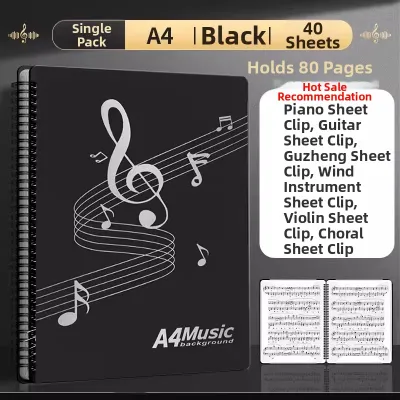
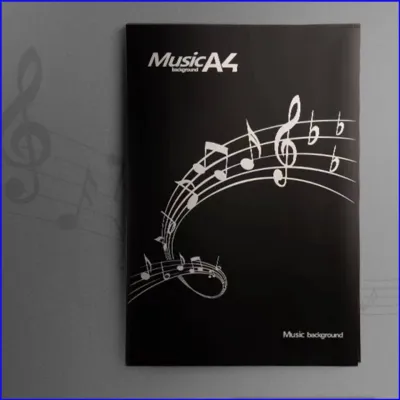
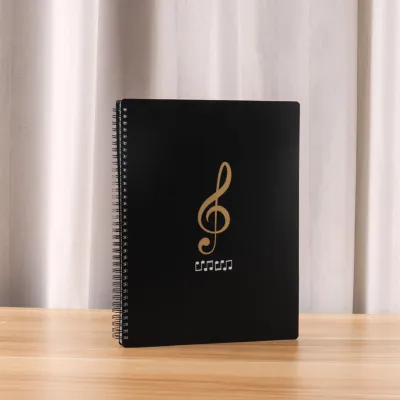
Prices are valid at publication and may change. Please refer to the product page for the latest price.
A sheet music binder is a high-capacity, ring-bound or post-bound system designed for extensive storage and organization. Binders utilize standard multi-ring mechanisms to hold punched paper or plastic sheet protectors. They are built for archival purposes, allowing you to compile entire concert programs, method books, or multi-year repertoires in a single, organized volume that can be rearranged at any time.
A music portfolio is a highly protective, zippered or flap-closure carrying case that often includes internal sleeves or compartments. Portfolios prioritize security during transit, featuring robust outer shells, secure closures, and dedicated space for accessories like pencils, tuners, or metronomes. They are designed to shield valuable, loose, or fragile sheet music from the elements and physical damage.
Matching the Organizer to Your Playing Style
The ideal choice depends heavily on whether you are practicing at home, performing on stage, or traveling between venues. Each environment places unique physical demands on your sheet music, making certain formats far more practical than others.

For Gigging Musicians and Quick Page Turns
Live performances demand seamless transitions, where a split-second delay in turning a page can disrupt the flow of a piece. For gigging musicians, lightweight music sheet folders with open-style pockets or band retainers are highly effective. These folders allow you to turn pages quickly without fighting the resistance of heavy plastic sleeves or bulky ring mechanisms. They lay completely flat on the music stand, reducing the risk of the folder springing shut mid-song.
When performing under bright stage lights, glare is a significant obstacle. Standard plastic sheet protectors reflect overhead lighting, making the notes unreadable from certain angles. To combat this, look for folders that feature matte-finished, non-glare plastic sleeves, or opt for band-style folders that leave the paper completely uncovered. Additionally, ensure the folder has a textured, non-slip exterior cover. This prevents the folder from sliding off slick metal music stands, especially when performing outdoors where wind or sudden drafts can easily dislodge loose materials.
For Students and Large Repertoire Collections
Music students, ensemble members, and music teachers often accumulate vast libraries of exercises, scales, and performance pieces. For these users, a high-capacity sheet music binder is the most practical choice. Binders allow you to compile hundreds of pages in a single location, categorized by genre, composer, or difficulty level. The ability to easily insert, remove, or rearrange pages makes binders highly adaptable to changing lesson plans and semester curricula.
When selecting a binder for heavy practice use, pay close attention to the ring mechanism. Standard round rings can cause pages to bunch up and tear near the punches when you turn them quickly. D-ring binders or those with specialized smooth-arch rings allow pages to slide effortlessly, minimizing wear and tear on your sheet music. If you use plastic sheet protectors within your binder, verify that the binder’s outer cover is wide enough to fully conceal the edges of the protectors, preventing them from getting bent or frayed when packed into a backpack.
For Traveling Performers and Delicate Originals
Traveling performers, session musicians, and those carrying historical or expensive original manuscripts require a high level of physical protection. A dedicated music portfolio is designed specifically for this purpose. Unlike open folders or standard binders, a portfolio typically features a secure zippered closure or a heavy-duty fold-over flap with magnetic or snap fasteners. This complete enclosure seals your music away from dust, moisture, and sudden rain showers during your commute.
Inside the portfolio, look for secure, high-quality sleeves or dedicated compartments that prevent loose sheets from sliding around or falling out when the case is carried vertically. Many premium portfolios feature rigid exterior panels that act as a shield against bending, ensuring your valuable scores remain flat and uncreased. Some designs also include integrated handles or shoulder straps, making them easy to transport alongside your instrument case.
Essential Features to Check Before You Buy
Before purchasing any music organizer, you must verify its compatibility with the physical dimensions of your sheet music. Standard printer paper in Singapore typically uses the A4 format, while imported sheet music from North America often comes in Letter size. Furthermore, classical orchestral scores and choral octavos frequently feature oversized or non-standard dimensions. Measure your largest scores and compare them against the internal dimensions of the folder or binder to ensure the edges of your music will not hang out or get crushed.
Another critical factor is the binding mechanism’s clearance. When placed on a music stand, the organizer must lay completely flat without requiring you to weigh down the corners with clips. Look for binders with flexible spines or folders with lay-flat spiral binding. If you choose a ring binder, ensure the rings are mounted on the back cover rather than the spine; this design allows the pages to lie flat when the binder is open, reducing tension on the paper and preventing the binder from bowing upward on the stand.
Material durability is essential for any accessory that sees daily use. Look for water-resistant exterior materials such as heavy-duty polypropylene or treated faux leather, which can withstand spills and damp environments. For the interior, prioritize matte-finished plastics over glossy ones. Matte sleeves diffuse light rather than reflecting it, ensuring your music remains legible under harsh fluorescent practice room lights or bright outdoor sunshine. Check the seams and edges of plastic sleeves to ensure they are double-welded, as cheap sleeves tend to split along the sides after repeated page turns.
How to Make Your Final Choice
To make your final decision, evaluate your primary playing environment and the volume of music you handle daily. If your routine consists of casual home practice, weekly rehearsals, or live performances where quick page turns and direct pencil markings are essential, a lightweight music sheet folder with band retainers is your best option. It keeps your setup minimal, portable, and highly functional on stage.
If you are a student, teacher, or choral singer managing a massive, ever-growing collection of sheet music, opt for a high-capacity binder. This format allows you to archive, categorize, and protect hundreds of pages while keeping them organized in a single volume. However, before committing to a large binder, verify that your music stand is sturdy enough to support the weight. A fully loaded two-inch binder can easily cause lightweight, folding wire music stands to tip over, potentially damaging your instrument or disrupting a performance.
If you are a traveling professional or a gigging musician who frequently commutes with loose, fragile, or highly valuable original scores, invest in a secure music portfolio. The zippered or flapped enclosure ensures your music remains safe from the elements and secure during transit, while the rigid exterior protects your pages from bending inside your gear bag.
Frequently Asked Questions (FAQ)
Can I use a standard office binder for sheet music?
Standard office binders are widely available and inexpensive, but they present several challenges for musicians. Most office binders feature rigid, round rings mounted on the spine, which prevents the binder from laying completely flat on a music stand. This design causes the pages to curve near the center, making the inner margins of your sheet music difficult to read. Additionally, standard office binders often lack the non-glare matte sleeves required to prevent reflections under stage lighting, and their bulky covers can easily slide off narrow music stand shelves. Investing in a specialized music binder with back-mounted D-rings or a lay-flat spine ensures a much better performance experience.
How do I prevent glossy covers from slipping off the music stand?
Glossy plastic or vinyl covers have very little friction, making them prone to sliding off metal or wooden music stands, especially when you turn pages quickly. To prevent this, look for folders and binders with textured, matte, or fabric-wrapped exterior covers when shopping. If you already own a slippery folder, you can apply a small strip of non-slip tape or adhesive silicone pads to the bottom edge of the cover. Alternatively, using heavy-duty music stand clips or a small piece of non-slip drawer liner placed on the stand’s shelf can keep your music securely in place during a performance.
Community discussion
Share your experience or ask a question. Comments are reviewed before publication.