
Reading Karl Ove Knausgård’s monumental autobiographical series My Struggle (我的奋斗) is an intense, deeply introspective experience. Its raw, unfiltered depiction of domestic life, existential dread, and personal vulnerability leaves readers with a profound sense of emotional weight. Transitioning from this massive work to your next read requires careful consideration of your emotional bandwidth and self-improvement goals. To continue this journey of self-discovery, you must look for non-fiction books that channel these intense themes of personal struggle into constructive paths, whether through deep-dive memoirs, psychological frameworks, or practical guides for personal growth.
Selecting the right follow-up book involves balancing your desire for deep, reflective storytelling with your need for actionable personal development. While some readers seek another immersive narrative that mirrors the complexities of human relationships, others prefer structured guides that offer practical solutions to life’s challenges. By understanding what to look for in your next read, you can ensure that your literary journey remains both intellectually stimulating and emotionally sustainable.
What to Look for in Books About Personal Struggle
Acknowledging the emotional and intellectual weight of My Struggle is the first step in planning your next reading phase. Knausgård’s work is celebrated for its hyper-realistic focus on the mundane and the painful, which can leave a lasting impression on your psychological state. When transitioning to other non-fiction works, it is helpful to define the core themes you wish to explore next, such as personal adversity, psychological resilience, or actionable self-improvement. This clarity helps you avoid feeling overwhelmed by a continuous stream of heavy, unstructured narratives.
Products mentioned in this guide
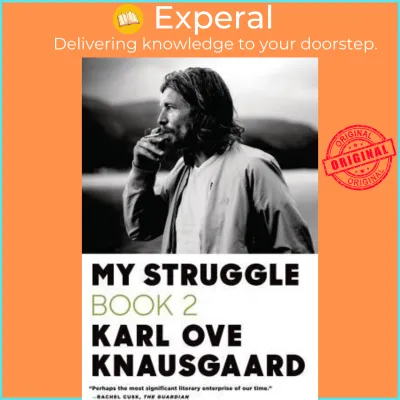
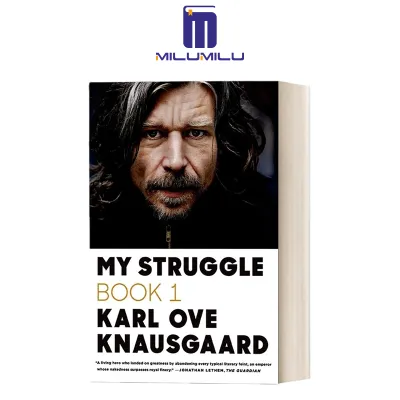

Prices are valid at publication and may change. Please refer to the product page for the latest price.
Assessing your emotional readiness is crucial when selecting books in this genre. You must distinguish between heavy, trauma-focused memoirs and uplifting, solution-oriented guides based on your current mental capacity. If you feel emotionally drained after finishing a dense autobiographical series, diving immediately into another intense account of personal trauma may lead to reading fatigue. Conversely, if you feel inspired by the raw honesty of personal struggles, you might be ready to explore books that offer structured psychological frameworks to help process those emotions.
Verifying the edition and format of your chosen book is another practical step that enhances your reading experience. For readers in Singapore, accessing books through local libraries, physical bookstores, or digital platforms requires checking translation quality, language options, and audiobook availability. A high-quality translation is essential for preserving the emotional nuance and literary style of foreign-language works. Additionally, audiobooks can be an excellent format for dense, reflective material, allowing you to engage with the content during daily commutes or quiet evenings.
Finally, you should define your desired outcome before purchasing or borrowing your next book. Decide whether your primary goal is emotional catharsis, understanding human psychology, or acquiring practical life skills. If you seek emotional catharsis, a deeply personal memoir may be the best fit. If you want to understand the mechanics of human behavior, a book focused on psychological frameworks will be more rewarding. For those looking to make immediate changes in their daily routines, a practical guide to habit formation is the logical choice.
Categories of Non-Fiction to Explore Next
Transitioning from a massive autobiographical work requires a clear roadmap of the non-fiction landscape. Different categories of books serve distinct post-reading needs, ranging from deep emotional processing to structured habit building. By categorizing your options, you can easily navigate toward the specific sub-topics and book types that align with your current personal growth goals.

Whether you want to immerse yourself in another person’s lived experience, understand the scientific principles behind resilience, or implement concrete changes in your daily life, there is a specific category tailored to your needs. The following sections detail three primary paths you can explore next, helping you make an informed decision for your reading journey.
Deep-Dive Memoirs and Autobiographies
For readers who appreciate the narrative depth of My Struggle, deep-dive memoirs and autobiographies offer a natural transition. When exploring this category, look for authors who reflect deeply on their own flaws, vulnerabilities, and complex family dynamics with literary prose. The best memoirs do not shy away from the messy, unresolved aspects of human existence, providing a realistic portrayal of personal struggle that resonates on a profound level.
This category is best suited for readers who process emotions through shared human experiences and prefer storytelling over clinical advice. Engaging with a well-written memoir allows you to walk in another person’s shoes, fostering empathy and self-reflection. It provides a space where you can contemplate your own life choices and relationships through the lens of another person’s narrative journey.
However, it is important to recognize the limitations of memoirs. These books offer personal truths and individual coping mechanisms rather than universal psychological formulas. You should avoid treating an author’s specific path to recovery or success as a guaranteed cure for your own struggles. Instead, view their story as a source of inspiration and perspective rather than a rigid blueprint for your own life.
Psychological Frameworks for Resilience
If you want to understand the underlying mechanics of trauma, stress, and emotional recovery, psychological frameworks offer a more analytical approach. Key themes to look for in this category include neuroplasticity, cognitive behavioral approaches, and the psychology of meaning-making after adversity. These books explain how the brain responds to challenges and how you can actively reshape your cognitive patterns to build resilience.
When selecting books in this category, conducting verification checks on the author’s credentials is essential. Ensure the author has credible academic or clinical qualifications, such as a doctorate in psychology or extensive experience in clinical practice, rather than relying solely on anecdotal success or unverified theories. This ensures that the advice and frameworks you are reading are grounded in scientific research and professional standards.
Keep in mind that while psychological frameworks provide valuable tools for understanding, they have application limits. Reading about cognitive behavioral techniques or neuroplasticity is only the first step; these concepts require active, consistent practice to yield results. Furthermore, self-help frameworks are supplementary tools and do not replace professional therapy or medical support for severe clinical struggles.
Practical Guides for Habit and Mindset Shifts
For those ready to transition from reflection to action, practical guides for habit and mindset shifts offer structured pathways to personal growth. When evaluating these books, look for actionable steps, measurable milestones, and realistic timelines. Avoid books that promise ‘quick fixes’ or promote toxic positivity, as genuine personal growth is a gradual process that requires effort and patience.
Adaptability checks are crucial when choosing a practical guide. Evaluate whether the suggested habits, routines, and exercises can be realistically integrated into your specific lifestyle, resources, and constraints. A guide that demands hours of uninterrupted morning meditation may not be practical if you have demanding work hours or family commitments. Choose books that offer flexible strategies you can tailor to your unique circumstances.
Be mindful of warning signs when browsing practical self-improvement guides. Avoid books that dismiss the validity of emotional struggles or trauma in favor of relentless, unempathetic productivity. A healthy guide should acknowledge that setbacks and difficult emotions are a natural part of the human experience, rather than suggesting that success is merely a matter of ‘willing it’ into existence.
How to Pace Your Reading Through Heavy Non-Fiction
Reading intense books about personal struggle and self-improvement can be emotionally demanding, making it essential to manage your cognitive load. Setting clear boundaries is the first step in maintaining a healthy relationship with heavy material. Recognize when to pause reading if the content triggers overwhelming emotional responses, anxiety, or mental fatigue. Taking a break for a few days does not mean you have failed; it shows that you are prioritizing your mental well-being.
Active reading techniques can help you process complex themes more effectively than passive consumption. Consider keeping a journal specifically for your reading journey, where you can write down your thoughts, reflections, and how certain passages relate to your own life. Highlighting key sentences or discussing the book with friends or a reading group can also help externalize the heavy emotions and concepts, making them easier to digest and integrate.
Balancing your literary diet is another highly effective strategy for preventing burnout. Alternate heavy, introspective non-fiction with lighter reads, such as fiction, humor, or hobby-focused books. This practice gives your mind time to rest and recover, ensuring that you return to your self-improvement reading with a fresh perspective and renewed energy. By pacing yourself, you can sustain a long-term habit of reading for personal growth.
Frequently Asked Questions (FAQ)
Can reading about personal struggle actually improve my own mental resilience?
Reading about personal struggle can be a powerful form of bibliotherapy, fostering empathy, perspective, and a deep sense of shared humanity. When you read about others overcoming adversity, it can help normalize your own challenges and provide new cognitive frameworks for coping with stress. However, it is important to remember that reading is a supplementary tool for reflection and self-awareness. It is not a substitute for professional mental health support, especially when dealing with clinical anxiety, depression, or deep-seated trauma.
How do I know if a self-improvement book is based on solid research?
To verify the credibility of a self-improvement book, look for extensive citations, peer-reviewed references, and a detailed bibliography in the back of the book. Authors with strong academic or clinical backgrounds will typically ground their advice in established scientific literature rather than personal anecdotes alone. Be cautious of red flags such as absolute guarantees of success, a lack of nuance in the writing, or claims that contradict widely accepted psychological principles without providing extraordinary evidence.
What should I do if a book about trauma or struggle triggers my own negative emotions?
If a book triggers intense negative emotions, anxiety, or distress, you should stop reading immediately. Close the book and engage in grounding exercises, such as deep breathing, focusing on your physical surroundings, or taking a short walk. Stepping away from the material is a healthy boundary, not a sign of weakness. If the emotional distress persists, interferes with your daily functioning, or brings up unresolved personal trauma, consider seeking support from a qualified mental health professional.
Community discussion
Share your experience or ask a question. Comments are reviewed before publication.