
Quick Answer: Which Ukulele String Material Is Right for You?
Choosing the right ukulele string material depends on the tone you want to hear and how you want the instrument to feel under your fingertips. Nylon strings offer a warm, mellow, and highly traditional sound that is gentle on beginner fingers. If you prefer a brighter, clearer tone with more projection and sustain, fluorocarbon strings are an excellent alternative that holds up well in humid environments. For players seeking a deeper bass response and extra volume—particularly on the lower strings—wound strings provide a rich, guitar-like resonance. Ultimately, your personal tonal preference and the body size of your ukulele will guide you to the ideal match.
Nylon Ukulele Strings: Traditional Warmth and Soft Feel
Nylon remains the classic choice for the ukulele, delivering the sweet, gentle, and rounded tone most people associate with the instrument. Because nylon is a relatively soft polymer, these strings feel highly pliable and comfortable under your fingers. This lower-tension feel makes them an excellent starting point for beginners who are still building up finger calluses and hand strength.

If you enjoy playing traditional Hawaiian melodies or prefer a soft, rolling strumming style, nylon strings complement these genres beautifully. They perform exceptionally well on smaller instruments like soprano and concert ukuleles, where their mellow characteristics prevent the compact body from sounding overly harsh or piercing.
Products mentioned in this guide

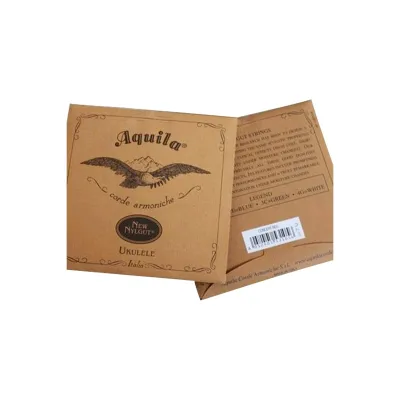
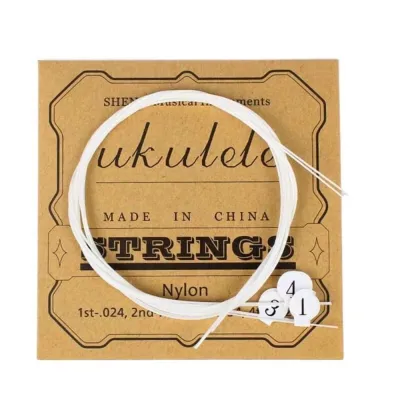
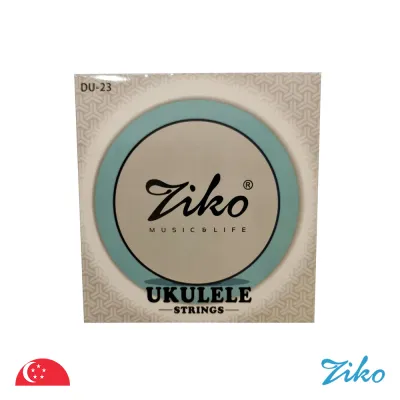
![]SG SELLER]Acoustic Electrical Guitar Ukulele Strings Replacement Accessories (Acoustic-Bronze/Silver)](https://img.lazcdn.com/g/p/42c8baa2e83c7fd606f5793c2ae7e2c4.jpg_400x400q80.jpg_.webp)
Prices are valid at publication and may change. Please refer to the product page for the latest price.
However, nylon has physical characteristics that require patience. When you first install a new set, the material undergoes a significant stretching period, meaning you will need to retune your instrument frequently during the first few days of play. Nylon is also less dense than other synthetic materials, which means it offers less volume and projection, making it harder to be heard when playing alongside louder instruments.
Before purchasing, always check the manufacturer’s specifications for string gauge and tension ratings. Ensuring these specifications align with your ukulele’s bridge and nut slots prevents tuning issues and keeps the instrument playing comfortably.
Fluorocarbon Ukulele Strings: Bright Projection and Consistency
Fluorocarbon strings are made from a denser polymer than nylon, resulting in a brighter, more articulate sound with noticeable projection and sustain. Under the fingers, they feel slightly stiffer and thinner than nylon strings of an equivalent pitch. This smoother, tauter surface allows for precise fingerpicking and fast transitions across the fretboard.
These strings are highly favored by players using tenor or baritone ukuleles, as well as musicians who perform in ensembles where the instrument needs to cut through a dense mix. The added brightness helps individual notes stand out clearly, making complex chords sound distinct rather than muddy.
One of the greatest practical advantages of fluorocarbon is its low moisture absorption. In regions with high humidity, such as Singapore, wooden instruments and traditional strings can react dramatically to moisture changes in the air. Fluorocarbon strings remain remarkably stable under these conditions, holding their tuning and maintaining a consistent tone even when transitioning between air-conditioned rooms and outdoor heat.
When shopping for these strings, verify the packaging details for specific fluorocarbon blends or specialized coatings. Different manufacturers adjust their formulas to alter the exact stiffness and tonal brightness, allowing you to fine-tune your setup.
Wound Ukulele Strings: Added Volume and Bass Response
Wound strings feature a composite construction, consisting of a synthetic or metal core wrapped tightly with a thin metal or polymer wire. This design adds mass to the string without making it too stiff to vibrate properly. The result is a dramatic increase in volume, a richer bass response, and significantly longer sustain.
In most cases, players do not string an entire ukulele with wound strings. Instead, they are typically used for the lowest-pitched string in a set, such as a low-G string on a tenor ukulele or the lower strings on a baritone. This hybrid setup balances the bright, sweet treble of the upper strings with a warm, resonant low end.
Using wound strings introduces a different tactile experience. The textured outer wrapping can produce a distinct “finger squeak” sound when you slide your fingers along the fretboard. Additionally, the metal wrapping is susceptible to gradual wear, unwinding, and corrosion from finger oils, requiring more frequent inspection than solid synthetic strings.
Because wound strings are physically thicker than plain nylon or fluorocarbon, you must check your ukulele’s nut and bridge slots before installation. Forcing a thick wound string into a narrow slot can pinch the string, cause tuning binding, or even crack the nut. If the string does not seat properly, you may need a professional setup to safely widen the slots.
How to Choose the Right String Material for Your Playing Style
Selecting the ideal string material requires matching your physical playing habits with the acoustic properties of your instrument. If your style revolves around gentle fingerstyle arrangements or traditional, rhythmic strumming, the soft feel and warm voice of nylon will likely suit you best. For flatpicking, modern fingerstyle, or playing in a group, the clarity and projection of fluorocarbon will help your performance shine. If you want to explore solo acoustic arrangements that demand a wide dynamic range and a deep, guitar-like bass, incorporating a wound low-G string is highly effective.
The size of your ukulele also plays a major role in how a string material performs. Smaller soprano ukuleles have limited internal air volume, meaning they naturally favor the sweet, low-tension output of nylon. Larger tenor and baritone ukuleles have larger soundboards that can handle the higher tension and density of fluorocarbon or wound strings, allowing the instrument to resonate to its full potential.
Before you install a new set of strings, run through this quick instrument readiness checklist:
- Nut Slot Width: Ensure the slots are wide enough to accommodate the string diameters without pinching.
- Bridge Tie-Block Clearance: Verify that the bridge holes or slots can accept the string ends, especially for thicker wound strings.
- Tuner Capacity: Check that the tuning peg holes can accommodate the string thickness.
Finding your signature sound is often an iterative process. Because every ukulele is built from different woods and features unique construction details, the same set of strings will sound different on two different instruments. Do not hesitate to experiment with different materials over time, keeping track of how each change affects both your playing comfort and the acoustic voice of your instrument.
Frequently Asked Questions (FAQ)
Can I mix nylon, fluorocarbon, and wound strings on the same ukulele?
Yes, mixing different string materials on a single instrument is a very common practice among intermediate and advanced players. Many musicians choose to pair a wound low-G string with three fluorocarbon or nylon treble strings to achieve a balanced blend of deep bass and bright, clear highs. When creating a custom mixed set, it is important to monitor the overall tension across the neck. Drastic differences in tension between adjacent strings can cause uneven neck relief or make the instrument feel awkward to play. Always check manufacturer guidelines or pre-packaged mixed sets to ensure the tensions are compatible.
Do I need to modify my ukulele to use wound strings?
You may need to make minor modifications to your ukulele’s nut if you are transitioning from a standard high-G string to a thicker wound low-G string. Because wound strings have a larger physical diameter, they often sit too high in nut slots designed for thin nylon. Forcing a thick string into a narrow slot can cause tuning instability, high action, or physical damage to the nut material. If you notice the string binding or sitting unevenly, it is best to consult a qualified instrument technician or luthier to safely widen the slot using specialized nut files.
How often should I change my ukulele strings?
Rather than following a strict calendar schedule, you should change your ukulele strings based on observable physical and acoustic signs. Inspect your strings regularly for signs of wear such as visible fraying, deep notches over the frets, discoloration, or unwinding on wound strings. Acoustically, if your ukulele begins to sound unusually dull, loses its sustain, or struggles to stay in tune even after the initial stretching period, it is time for a replacement. To maximize the lifespan of your strings, wipe them down with a clean, dry microfiber cloth after every playing session to remove sweat and skin oils.
Community discussion
Share your experience or ask a question. Comments are reviewed before publication.