
Choosing between the Oxford Advanced Learner’s Dictionary and the Oxford Concise Dictionary is a decision that depends entirely on your current language proficiency and how you intend to use the text. If you are actively learning English, preparing for language exams, or need to understand how to use words naturally in sentences, the Oxford Advanced Learner’s Dictionary is designed for your needs. If you are already a fluent or native speaker, professional writer, or avid reader who needs a quick, comprehensive reference to check spelling, precise definitions, and rare vocabulary, the Oxford Concise English Dictionary is the more suitable tool.
Understanding the structural and philosophical differences between these two reference works will help you select the version that best supports your daily tasks. While both carry the authority of the Oxford brand, they serve completely different cognitive processes—one is built for active language production, while the other is optimized for rapid information retrieval.
Core Differences in Purpose and Target Audience
The fundamental design philosophy of each dictionary dictates how definitions are written and what supplementary information is included. The Oxford Advanced Learner’s Dictionary is engineered specifically for language acquisition. It recognizes that looking up a word is only the first step for a language learner; the ultimate goal is to use that word correctly in speech and writing. To facilitate this, the dictionary employs a controlled defining vocabulary, which means it explains complex terms using a restricted set of common, easily understood words. This prevents the frustrating loop of having to look up words within a definition just to understand the original entry.
Products mentioned in this guide
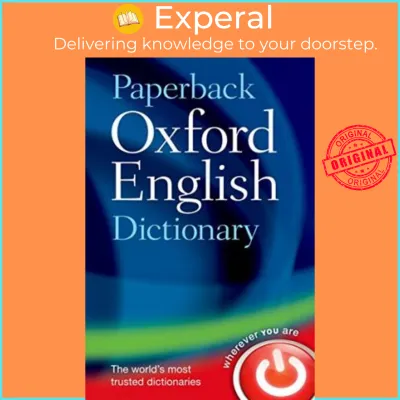
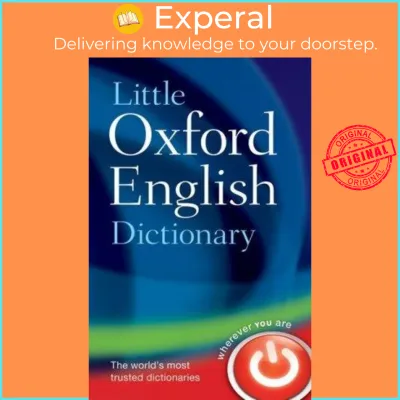
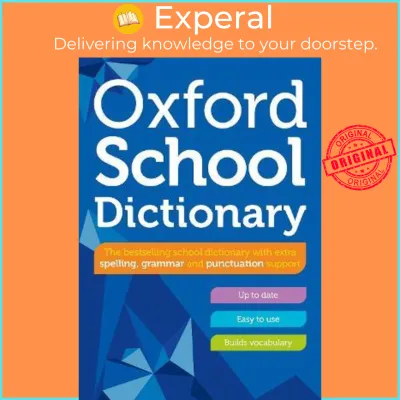
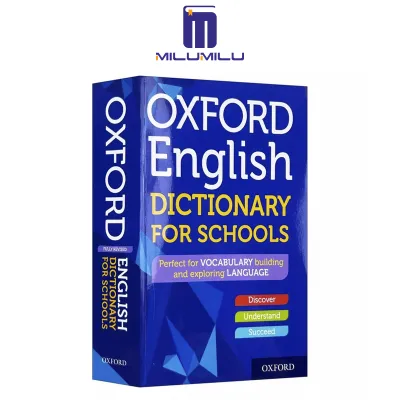
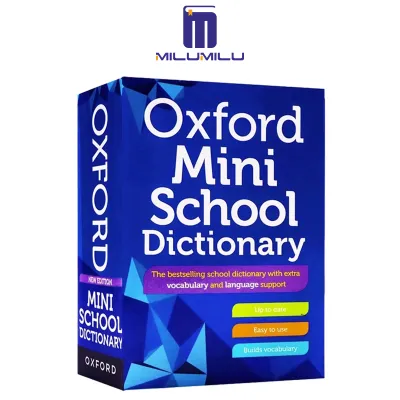
Prices are valid at publication and may change. Please refer to the product page for the latest price.
In contrast, the Oxford Concise Dictionary is designed for fluent, native, or near-native speakers who already possess a robust vocabulary. It does not restrict its defining vocabulary, allowing lexicographers to write highly precise, dense, and academic explanations. The primary goal of the Concise edition is to provide a vast inventory of words, including rare, historical, and highly technical terms. It assumes the reader does not need to be taught how to use basic prepositions or verb patterns, focusing instead on delivering the exact meaning, spelling, and etymology of a word as efficiently as possible.
This distinction represents a major shift in user expectation. When you open the Learner’s edition, you are expecting a tutorial on how to integrate a word into your active vocabulary. When you open the Concise edition, you are looking for a quick, authoritative verdict on a word’s meaning, spelling, or origin. Recognizing where you fall on this spectrum is the first and most important step in making your choice.
Feature Comparison: What to Expect Inside
The internal layout and entry depth of these two dictionaries reflect their differing purposes. In the Advanced Learner’s Dictionary, definitions are detailed and explanatory, often written in complete sentences to model natural syntax. The Concise Dictionary, on the other hand, uses short, dense phrases separated by semicolons, prioritizing brevity so that more entries can fit into a single volume.

Example sentences are another area of stark contrast. The Learner’s edition provides abundant, context-rich examples for almost every definition, showing how the word behaves in real-world scenarios. These examples help clarify nuances in meaning and demonstrate correct preposition usage. The Concise edition features minimal example sentences, reserving them primarily for idiomatic expressions or phrases where the word’s meaning might otherwise be ambiguous to a fluent speaker.
Grammar and collocation notes are highly developed in the Learner’s edition. You will find extensive usage warnings, verb pattern indicators (such as whether a verb is transitive or intransitive), and detailed lists of collocations—words that naturally pair together, such as “commit a crime” or “make a mistake.” The Concise edition limits its grammatical guidance to basic part-of-speech tags and occasional brief notes on word origins or historical shifts in meaning, assuming the reader already understands natural English collocations.
| Feature | Oxford Advanced Learner's Dictionary | Oxford Concise English Dictionary |
|---|---|---|
| Primary Focus | Language acquisition and active usage | Quick reference and vocabulary breadth |
| Defining Vocabulary | Restricted to a core set of simple words | Unrestricted, academic, and precise |
| Example Sentences | Abundant, showing real-world context | Minimal, limited to specific idioms |
| Grammar & Collocations | Extensive guides, verb patterns, and warnings | Basic part-of-speech tags and brief notes |
| Vocabulary Scope | Core and academic vocabulary | Broad, including rare and historical terms |
| Target User | Non-native speakers, students, and exam candidates | Fluent speakers, professionals, and editors |
Matching the Dictionary to Your Specific Use Case
To determine which dictionary will serve you best on a daily basis, it is helpful to apply a practical decision framework. Consider your primary tasks, your current comfort level with English, and whether you need a tool for active learning or rapid verification.
When to Choose the Advanced Learner's Dictionary
The Advanced Learner’s Dictionary is the ideal choice if you are preparing for standardized English proficiency exams. The detailed explanations of word families, synonyms, and opposites help you expand your vocabulary systematically, which is crucial for achieving high scores in writing and speaking assessments.
This edition is also highly beneficial if you are actively working to transition from an intermediate to an advanced level of English fluency. Because it explicitly points out common learner mistakes, it acts as a self-correcting tool for academic writing, professional correspondence, and daily conversation. If you frequently find yourself unsure of which preposition to use after a verb, or if you struggle to make your English sound natural, the Learner’s edition provides the structural guidance you need.
Ultimately, choose this version if your goal is language production. It is designed to help you write essays, deliver presentations, and participate in discussions with confidence, ensuring that you not only know what a word means but also how to employ it correctly in a sentence.
When to Choose the Concise Dictionary
The Concise Dictionary is the superior tool if your primary need is quick verification during reading, professional writing, or editing. If you already speak English fluently and simply need to check the spelling of an unusual word, verify a hyphenation rule, or confirm a precise definition, this dictionary provides those answers without any unnecessary distraction.
It is also the correct choice if you regularly read complex literature, historical texts, or specialized professional documents. The Concise edition covers a much larger volume of individual words than the Learner’s edition, making it far more likely to contain obscure, archaic, or highly technical terms. If you encounter words that are outside the scope of everyday conversational English, the Concise edition is designed to define them.
Finally, the Concise edition is excellent for those who prefer a streamlined reference tool. Whether you are using a physical volume on your desk or a digital interface, the Concise layout is optimized for speed, allowing you to find your answer and return to your work immediately.
Format, Edition, and Compatibility Checks Before Buying
Once you have decided which dictionary style fits your needs, you must perform several practical checks before making a purchase. First, verify the publication year and edition number on the product listing. Language is constantly evolving, and newer editions incorporate updated vocabulary, contemporary slang, and modern technical terms that older editions lack.
Next, compare physical formats against digital options based on your study habits. A hardcover edition is highly durable and serves as an excellent permanent fixture on a study desk, while a paperback is lighter and more portable. If you prefer digital access, check whether the dictionary is offered as a standalone mobile app, an e-book, or an online subscription. For digital versions, verify whether they support full offline access, which is essential if you plan to study in environments without reliable internet connectivity.
Device compatibility is another critical factor for digital formats. Ensure the application or e-book format is fully compatible with your specific operating system or e-reader device. Some digital editions are optimized for tablets, while others perform better on smartphones or desktop browsers.
Lastly, confirm whether a physical book purchase includes bundled digital access. Many modern Oxford dictionaries come with a registration code that grants access to premium online resources, interactive exercises, or pronunciation audio files. Verifying these details on the product packaging or listing ensures you get the maximum value from your investment.
Frequently Asked Questions (FAQ)
Can I use the Concise Dictionary for English proficiency exam preparation?
While you can use the Concise Dictionary to look up unfamiliar words, it is not recommended as your primary study tool for English proficiency exams. It lacks the graded definitions, collocation guides, and common mistake warnings that are specifically designed to help non-native speakers avoid errors. The Advanced Learner’s Dictionary is far better suited for exam preparation because it teaches you how to construct correct sentences, which is a major component of writing and speaking assessments.
Do both dictionaries cover British and American English variations?
Yes, both dictionaries address regional variations, but the depth and presentation of these variations can differ. To ensure you get the specific coverage you need, check the preface or product feature list of the exact edition you are purchasing. Generally, the Advanced Learner’s Dictionary provides clear pronunciation guides using the International Phonetic Alphabet for both British and American English, along with spelling variations. The Concise Dictionary focuses primarily on British English spelling and usage as its baseline, though it notes American spelling variants and meanings where relevant.

Community discussion
Share your experience or ask a question. Comments are reviewed before publication.