
Choosing the right dictionary requires balancing physical portability with the depth of linguistic information you need. Oxford’s small-format dictionaries—specifically the Pocket, Compact, and Concise editions—are designed to address different points along this spectrum. While they all carry the authority of Oxford University Press, they serve distinct purposes, ranging from quick, on-the-go spelling checks to detailed grammatical analysis. Understanding these differences ensures you select a volume that fits your study environment, reading habits, and academic requirements.
Understanding the Oxford Small-Format Lineup
To navigate the Oxford dictionary lineup, it is helpful to understand the general hierarchy of these three formats. The Pocket edition sits at the entry point of portability, designed to be easily carried in a backpack or briefcase. The Compact edition serves as the middle ground, offering a slightly larger physical footprint to accommodate more words and clearer layouts. The Concise edition represents the most comprehensive of the reduced formats, often serving as a bridge between portable references and massive, unabridged desk dictionaries.
However, these format labels do not refer to a single, universal book. Instead, Oxford applies these terms across various parent titles, including general English dictionaries, bilingual dictionaries, and specialized subject references. For example, a “Concise” bilingual dictionary will have a different structural focus than a “Concise” monolingual English dictionary. When browsing, you should look beyond the format name on the cover and identify the specific parent dictionary to understand the baseline linguistic focus and target audience of the volume.
Products mentioned in this guide
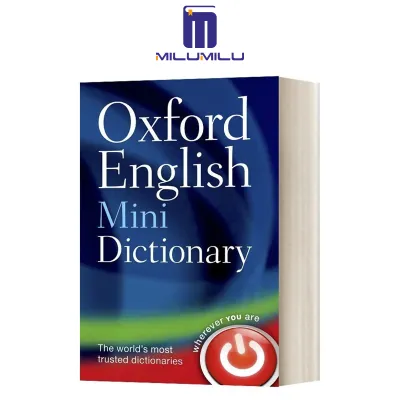
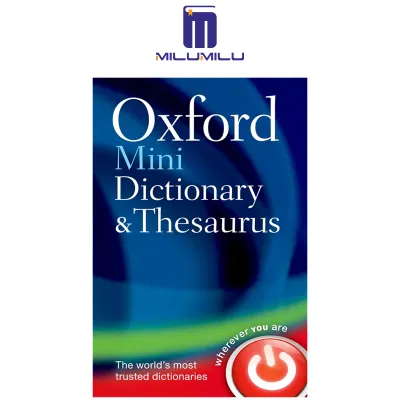
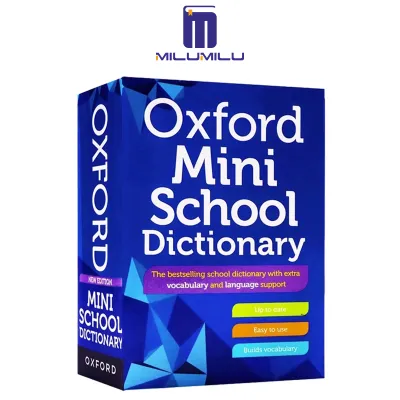
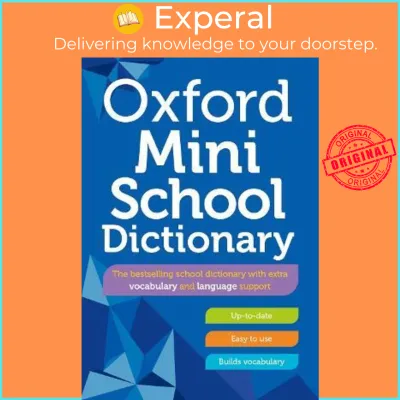
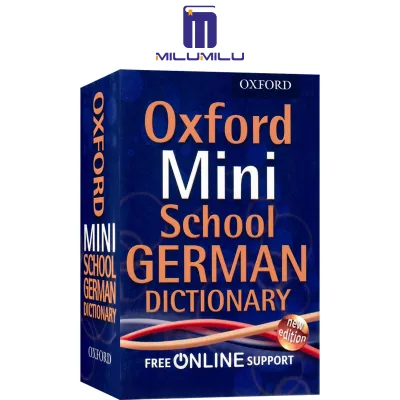
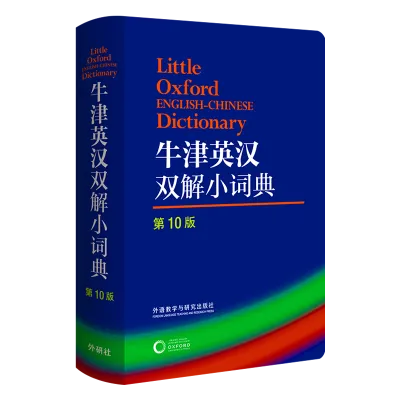
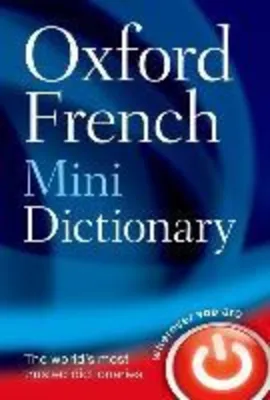
Prices are valid at publication and may change. Please refer to the product page for the latest price.
Key Comparison Dimensions for Language Learners
Evaluating these dictionaries requires looking at several physical and editorial variables. The physical footprint and weight of the book directly impact where and how you will use it. Pocket editions are lightweight and easy to hold in one hand, making them excellent for quick consultations. Compact and Concise editions, with their higher page counts and thicker bindings, are heavier and better suited for flat desk surfaces where they can remain open during a study session.

Vocabulary size and entry depth are the primary differentiators in content. Pocket dictionaries prioritize high-frequency words, offering direct definitions and spelling guides while omitting rare archaic terms, detailed etymologies, and complex historical usage notes. Compact editions expand this coverage, introducing more technical terms and brief word origins. Concise editions offer the greatest depth, featuring extensive headword lists, detailed etymological histories, usage notes that clarify common grammatical errors, and illustrative example sentences that show words in context.
Typography and readability also vary significantly across the three formats. To keep the physical size manageable, publishers must make design trade-offs. Compact editions often use smaller font sizes, narrower margins, and multi-column layouts to pack more information into a smaller page. If you have visual accessibility needs, a Concise edition or a larger desk format may offer a more comfortable reading experience due to slightly larger typefaces and more generous spacing.
Finally, supplementary materials differ by format size. While a Pocket dictionary might only include a brief list of irregular verbs, Compact and Concise editions frequently feature extensive appendices. These can include comprehensive grammar guides, punctuation rules, guides to standard English usage, and thematic sections covering topics like countries of the world, chemical elements, or mathematical symbols.
Matching the Edition to Your Specific Needs
Selecting the right dictionary depends heavily on your daily routine and study environment. For travel, commuting, or quick reference during casual reading, the Pocket edition is highly practical. Its minimal weight ensures it will not weigh down a school bag or briefcase, making it a convenient companion for language learners who need to verify spelling, pronunciation, or basic definitions on the go.
The Compact edition is ideal for balanced desk and shelf use, particularly for students or professionals with limited workspace. If you need more depth than a Pocket edition can provide but do not have the shelf space for a multi-volume reference set, the Compact format offers a practical compromise. It provides a robust vocabulary database that handles most secondary school or general office tasks without dominating your desk.
For deep study, academic writing, and professional editing, the Concise edition is the standard choice. Advanced language learners, university students, and writers require the nuanced definitions, extensive collocations, and detailed usage guidance that only the Concise edition provides. This format helps you understand not just what a word means, but how it functions grammatically and stylistically within a sentence, which is essential for producing high-quality written work.
Verifying Specifications Before Purchase
Because cover designs can change with new printings and online marketplaces often use generic stock images, verifying the exact specifications of a dictionary before purchasing is essential. The most reliable way to ensure you are getting the correct volume is to check the ISBN-13. This unique 13-digit identifier confirms the exact format, edition number, and publication year, preventing you from accidentally buying an outdated version or a different format size.
You should also cross-reference the physical dimensions, weight, and stated headword count with the publisher’s official specification sheet. Retailer descriptions on ecommerce platforms can sometimes contain errors or copy-paste descriptions from other editions. Checking the official publisher data ensures you know exactly how heavy the book is and whether it will fit on your bookshelf or in your bag.
Additionally, pay attention to regional variations. Oxford publishes dictionaries tailored for specific markets, such as Australian, Canadian, Indian, or South African English. These editions reflect local spelling conventions, vocabulary, and usage, so ensure you select the version that aligns with your academic curriculum or professional standards. If you are considering a digital or e-book version, verify device compatibility and check whether the digital layout preserves the typographic clarity of the print edition.
Final Decision Framework
To finalize your decision, consider the primary environment and purpose of your dictionary use. Choose the Pocket edition if your main priority is maximum portability, quick look-ups during travel, and you only require core definitions without extensive usage notes or historical etymologies.
Choose the Compact edition if you need a practical, space-saving desk reference that balances a reasonable vocabulary depth with a smaller physical profile, and you do not mind denser text layouts or smaller print.
Choose the Concise edition if you are an advanced learner, writer, or educator who requires comprehensive definitions, detailed word origins, and extensive supplementary grammar sections, and you primarily plan to use the book at a desk.
Before making any purchase, always verify the requirements of your specific academic syllabus or professional institution. If a school or exam board specifies a particular dictionary, check the required ISBN or edition year to ensure full compliance with their guidelines.
Frequently Asked Questions (FAQ)
Are Compact dictionaries always printed with smaller text?
While Compact editions often utilize smaller fonts, narrower margins, and multi-column layouts to maximize content within a reduced physical size, the exact typography depends on the specific design of that edition. Publishers balance readability with space-saving techniques, but readers with visual accessibility needs should check the publisher’s specifications or layout samples to ensure the text size is comfortable for extended reading.
Can I use a Pocket dictionary for advanced academic writing?
Pocket dictionaries are optimized for quick definitions and basic spelling checks, meaning they lack the nuanced usage notes, collocations, and etymological depth required for high-level academic writing. For university-level study, professional drafting, or detailed essay writing, upgrading to a Concise edition or a full-sized desk dictionary is highly recommended to ensure accurate word choice and grammatical precision.

Community discussion
Share your experience or ask a question. Comments are reviewed before publication.