
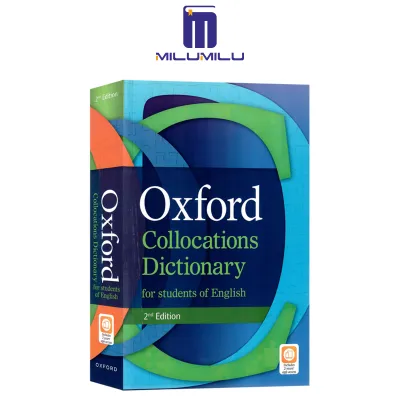
Choosing between the Oxford Collocations Dictionary and Cambridge English Collocations in Use depends entirely on how you intend to study and apply English vocabulary. If you require a comprehensive, quick-reference tool to look up word combinations while writing or editing, the Oxford dictionary is a highly practical choice. Conversely, if you prefer a structured, lesson-based approach with exercises to build your vocabulary systematically, the Cambridge textbook series is often better suited to your needs. Identifying your primary learning goal is the first step toward selecting the right english collocation book for your desk.
Core Differences in Format and Approach
The fundamental distinction between these two publications lies in their structural design and intended usage patterns. The Oxford Collocations Dictionary is organized alphabetically, functioning exactly like a traditional dictionary. You look up a specific headword, such as a noun or a verb, to instantly see a categorized list of the adjectives, verbs, or prepositions that naturally pair with it. This layout is optimized for rapid, targeted lookups during active writing tasks, allowing you to find the exact word combination you need in a matter of seconds.
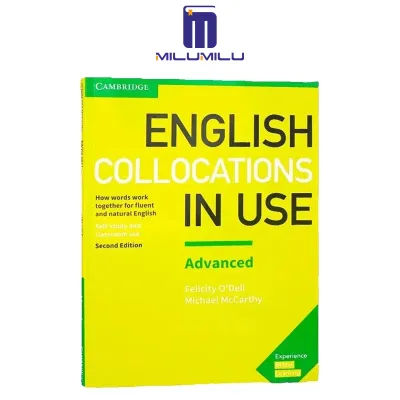
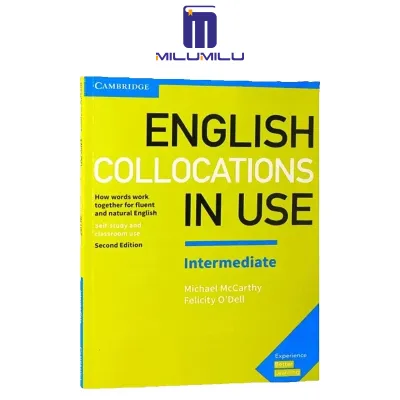
In contrast, Cambridge English Collocations in Use is structured as a thematic textbook, divided into self-contained units. Instead of searching for individual words, you study collocations grouped by topics, such as travel, business, or academic environments, or by grammatical patterns. Each two-page unit presents explanations and examples on the left-hand page, followed by practice exercises on the right-hand page. This design encourages a linear progression through the material, making it ideal for learners who prefer a guided curriculum.
Products mentioned in this guide
Prices are valid at publication and may change. Please refer to the product page for the latest price.
These contrasting formats dictate how you interact with the material during your study sessions. The Oxford dictionary serves as a passive reference tool that you consult when you encounter a specific writing block or need to verify a word pairing. The Cambridge book functions as an active learning curriculum, guiding you through a progressive study path designed for gradual vocabulary acquisition and retention. Understanding this structural difference helps you avoid frustration, as using a dictionary for systematic study or a textbook for quick lookups can be highly inefficient.
Oxford Collocations Dictionary: Best for Writers and Advanced Lookup
For individuals engaged in productive language tasks like essay writing, translation, or professional drafting, the Oxford Collocations Dictionary offers exceptional depth. When you look up a headword, the dictionary provides an extensive array of collocates grouped by part of speech. This systematic categorization allows you to quickly find the exact verb, adjective, or noun combination needed to express a precise shade of meaning. It acts as a thesaurus of word partnerships, helping you elevate your writing from grammatically correct to naturally fluent.

The inclusion of authentic example sentences further enhances its utility for advanced learners. These sentences demonstrate how the collocations function in real-world contexts, helping you avoid grammatical errors and unnatural phrasing. Because it focuses on providing a wide variety of options for each entry, it acts as a powerful tool for expanding your expressive range during the drafting process. It is particularly valuable for non-native speakers who want to ensure their academic papers or business reports sound natural to native readers.
However, users should note that this dictionary does not contain built-in practice exercises or quizzes. It is designed strictly for reference, meaning you must take the initiative to practice and memorize the collocations independently. If you do not have a structured method for active recall, or if you find list-based reading tedious, you may need to pair this dictionary with external study routines. It is a tool for production rather than acquisition, making it best suited for those who already have a strong foundation in English.
Cambridge English Collocations in Use: Best for Structured Learners
If you thrive on structured study plans and immediate feedback, Cambridge English Collocations in Use is designed with your learning style in mind. By organizing collocations into thematic units, the book helps you learn vocabulary within a meaningful context. This topical arrangement makes it easier to associate related terms, which can significantly improve memory retention during independent study. You can focus on specific areas of interest, such as collocations for work, leisure, or academic writing, depending on your immediate needs.
The textbook’s dual-page layout is highly effective for self-study and exam preparation. After reading through the explanations and contextual examples on the left page, you can immediately test your understanding using the exercises on the right. An integrated answer key at the back of the book provides instant feedback, allowing you to identify and correct mistakes without needing a teacher’s supervision. This immediate reinforcement helps solidify the correct word pairings in your mind before you attempt to use them in your own writing.
This series is particularly beneficial for students preparing for standardized English proficiency exams, where natural word choice is heavily assessed. The structured progression from intermediate to advanced levels helps learners build confidence systematically. However, because it is a textbook with a finite number of units, it cannot match the exhaustive, word-by-word coverage of a dedicated collocations dictionary. It is designed to teach you the most common and useful collocations, rather than serving as an all-inclusive reference library.
Feature Comparison Matrix
To help you quickly identify which publication aligns with your daily routine, the following table summarizes the key differences in format, target audience, and practical application.
| Feature | Oxford Collocations Dictionary | Cambridge English Collocations in Use |
|---|---|---|
| Format | Alphabetical reference dictionary | Thematic, unit-based textbook |
| Primary Use Case | Quick lookup during writing and editing | Systematic vocabulary building and study |
| Exercises | None (reference only) | Practice exercises with answer keys |
| Target Proficiency | Intermediate to advanced writers | Intermediate to advanced exam candidates |
| Ideal User Profile | Translators, essayists, and professionals | Self-study learners and exam students |
Before making a purchase, it is highly recommended to verify the specific edition, publication year, and format of the book. Some editions may include access to digital platforms, online databases, or supplementary interactive exercises. You can check the availability of physical copies or digital licenses through local bookstores in Singapore or authorized online educational retailers to ensure you receive the correct version for your devices.
How to Decide: Matching the Book to Your Goals
Selecting the right english collocation book comes down to analyzing your daily language tasks and learning preferences. If your primary need is a reliable desk companion that you can open while writing essays, reports, or emails, the Oxford Collocations Dictionary is often the more practical investment. It will save you time during the editing process by providing instant, diverse word combinations for any headword you query. It is an essential tool for anyone who needs to produce high-quality written English on a regular basis.
On the other hand, if you are preparing for an upcoming language examination or want to expand your vocabulary through a daily study routine, Cambridge English Collocations in Use is highly recommended. Its structured lessons and interactive exercises are specifically designed to move collocations from your passive vocabulary into active, natural usage. It provides the guidance and practice necessary to build long-term confidence in your spoken and written English.
For some advanced learners, a highly effective strategy may actually involve using both books in tandem. You can use the Cambridge textbook to systematically study new topics and complete daily exercises, while keeping the Oxford dictionary nearby as a comprehensive reference tool for your creative or academic writing projects. Assess your current budget, study space, and immediate learning goals to determine whether a single volume or a complementary pairing is the best path forward for your language learning journey.
Frequently Asked Questions (FAQ)
Can I use both books together for better results?
Yes, combining both books can create a highly effective language learning workflow. You can use Cambridge English Collocations in Use for your daily, structured study sessions to learn new vocabulary in context and complete practice exercises. Meanwhile, you can keep the Oxford Collocations Dictionary on your desk as a comprehensive reference tool to look up specific word pairings while drafting essays, emails, or reports. This dual approach balances active learning with practical, real-time writing support, though you should consider the total cost and physical space required for both volumes.
Are there digital or app versions available for these books?
Many publishers offer digital alternatives, including e-books, mobile applications, or online subscription databases, to suit modern study habits. Before purchasing, visit the official publisher websites or authorized educational platforms to check for available digital formats. Be sure to verify device compatibility, operating system requirements, and any regional access restrictions that might apply to digital licenses in Singapore, ensuring a seamless experience on your tablet, phone, or computer.

Community discussion
Share your experience or ask a question. Comments are reviewed before publication.