
Selecting the right piano chair goes beyond matching the aesthetics of your instrument. The specifications of your seat directly impact your playing posture, endurance during long practice sessions, and overall technique. A poorly fitted chair can lead to muscle fatigue, shoulder tension, and improper wrist alignment, which ultimately hinders your musical progress. By evaluating key technical specifications—such as height adjustability, cushioning materials, base stability, and physical dimensions—you can select a seat that supports your body and complements your piano setup.
Height Adjustment Mechanisms and Ergonomic Range
The ability to adjust seat height is a crucial feature of any piano chair, as it directly impacts your physical alignment with the keyboard. Traditional manual knob systems use a threaded rod or dual-side dials to raise and lower the seat; while highly reliable and stable, they require manual effort and time to adjust. Side levers connected to hydraulic or pneumatic pumps offer rapid, effortless height changes with a simple pull, making them excellent for shared pianos where multiple players of different heights practice. When evaluating these mechanisms, look for smooth operation and precise locking systems that prevent the seat from slipping or shifting during active play.
To determine the required height range for your setup, measure the distance from the floor to the top of your piano keys, and consider the player’s seated leg length. For optimal ergonomics, your forearms should rest parallel to the floor when your hands are on the keys, with your elbows bent at slightly more than a 90-degree angle. Ensure the chair’s adjustment range allows you to achieve this position comfortably without your thighs pressing against the underside of the piano keybed or keyboard stand.
Products mentioned in this guide
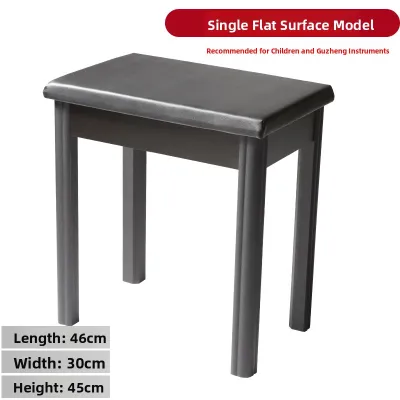
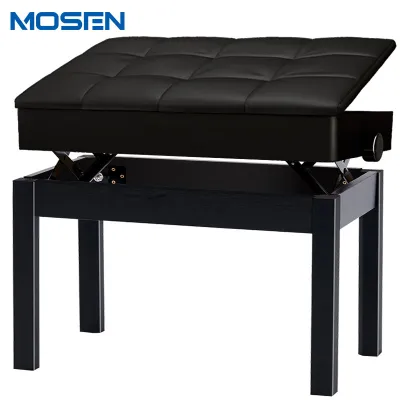
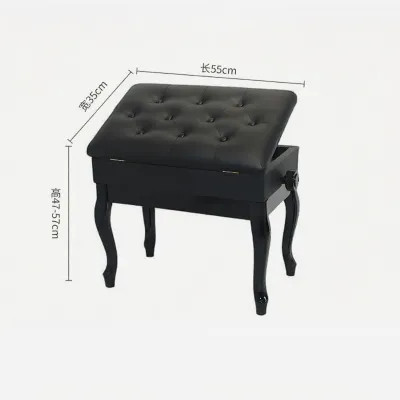
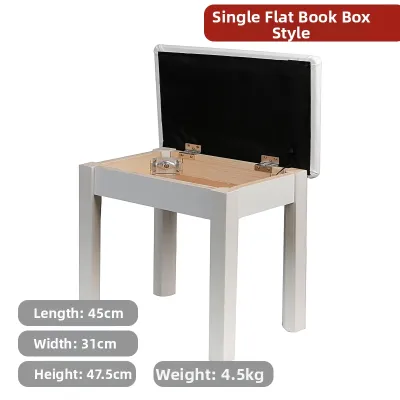
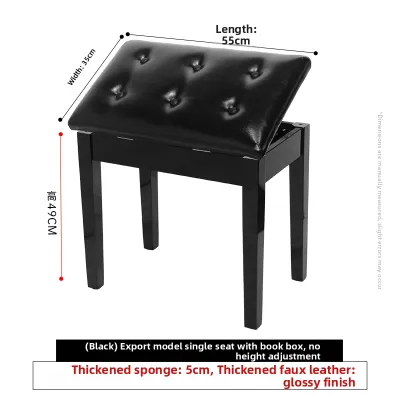
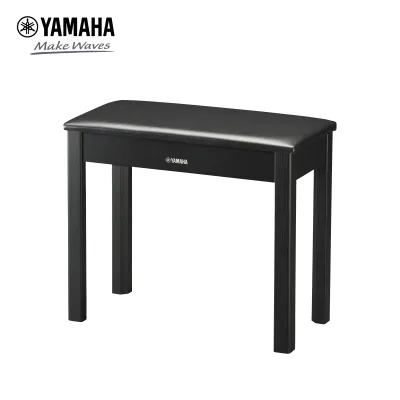
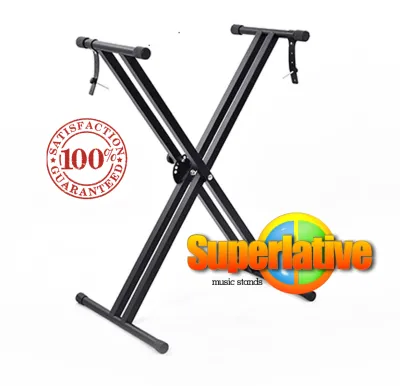
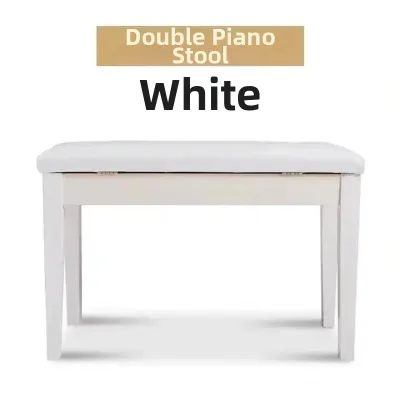
Prices are valid at publication and may change. Please refer to the product page for the latest price.
Seat Padding, Upholstery, and Weight Capacity
The internal composition of the seat cushion determines how well the chair supports your body during extended practice sessions. High-density polyurethane foam offers firm, resilient support that maintains its shape over time, distributing your weight evenly and preventing you from bottoming out against the wooden frame. In contrast, low-density foam may feel exceptionally soft and plush during a brief initial sit, but it quickly compresses under weight, leading to pressure points and discomfort during longer sessions. Look for a cushion thickness of at least five to eight centimeters of high-density foam to ensure lasting comfort.

Upholstery choice affects both comfort and maintenance, especially in warm or humid environments. Faux leather (polyurethane or vinyl) is highly durable, easy to wipe clean, and provides a classic look, though it can trap heat during long sessions. Velvet and woven fabrics offer excellent breathability and a slip-resistant grip that helps you stay securely positioned, but they require more effort to clean if spills occur. Additionally, always verify the manufacturer’s stated maximum weight capacity; a robust frame rated for higher capacities ensures structural longevity, joint stability, and safety over years of daily use.
Base Stability, Foot Design, and Floor Protection
A stable foundation is essential to prevent distracting wobbles or shifts when playing dynamic passages that require significant torso movement. Evaluate the base footprint and leg construction of the chair; a wider stance generally offers superior lateral stability and reduces the risk of tipping. Heavy-duty steel or solid hardwood legs provide the necessary rigidity to withstand active playing.
The design of the feet is equally important for protecting your flooring and maintaining grip. For hard surfaces like parquet, marble, or polished tiles, look for chairs equipped with dense felt pads or soft glides to prevent scratches and scuffs. If your piano is placed on carpet, rubberized grip caps are preferable to prevent the chair from sliding backward as you play. For homes with slightly uneven flooring, prioritize chairs that feature individually adjustable leveling feet, which allow you to stabilize the base with a quick twist.
Evaluating Optional Specs: Backrests and Storage
Optional features like backrests and storage compartments can add convenience, but they should be weighed against your specific space and playing style. A traditional backless bench encourages active sitting, core engagement, and unrestricted arm and torso movement, which is often preferred for classical training. However, a chair with an ergonomic backrest provides valuable lumbar support during breaks or casual playing sessions, provided the backrest is shaped to avoid restricting your shoulder blades and elbows.
Under-seat storage is a highly practical feature for keeping sheet music, metronomes, and cleaning cloths close at hand. When evaluating storage benches, check the internal depth and width to ensure standard music books and folders can lie flat without bending. Ensure the hinge mechanism is robust, operates quietly, and features a safety stay to prevent the lid from slamming shut on fingers. If you have limited space or need to transport your seat, foldable or collapsible designs offer excellent portability, though you should carefully check their locking joints to ensure they do not compromise overall rigidity.
Building Your Final Shortlist Based on Setup Dimensions
Before making your final purchase, cross-reference the physical dimensions of the piano chair with your existing instrument and room layout. Measure the maximum width and depth of the chair to ensure it fits comfortably within the available clearance around your digital piano, acoustic piano, or keyboard stand. If you use a portable keyboard stand, verify that the chair’s minimum height setting is compatible with the stand’s lowest configuration, allowing you to maintain the correct elbow-to-key alignment.
Finally, because comfort is highly subjective and depends on individual body proportions, review the retailer’s return policies and warranty terms. Opt for sellers that offer a trial period or a flexible return policy, allowing you to test the chair’s height range, cushion firmness, and stability in your own home environment before committing permanently.
Frequently Asked Questions (FAQ)
Does a piano chair need a backrest for proper posture?
Traditional piano pedagogy generally favors backless benches because they encourage active core engagement, upright posture, and complete freedom of movement for the arms and torso. However, a backrest can be highly beneficial for casual players, teachers who sit for long hours, or individuals with lower back issues, as long as the backrest design does not interfere with shoulder mobility during play.
How do I verify if a piano chair fits my specific keyboard stand?
Measure the interior width between the legs or crossbars of your keyboard stand to ensure the piano chair can slide fully underneath when not in use. Additionally, compare the stand’s height with the chair’s adjustment range; the chair’s lowest setting must allow your forearms to remain parallel to the floor while leaving comfortable clearance for your thighs.
Community discussion
Share your experience or ask a question. Comments are reviewed before publication.