
A piano keychain is a thoughtful, compact gift that resonates deeply with anyone connected to music. Whether you are shopping for a dedicated student, an inspiring teacher, or a casual music lover, the right design can serve as a daily reminder of their passion. This guide breaks down how to match the keychain’s style and function to the recipient’s specific musical journey, ensuring your gift is both meaningful and practical.
Selecting the perfect musical accessory involves balancing aesthetic appeal with everyday utility. Because keychains are highly personal items carried throughout the day, understanding the recipient’s lifestyle and musical background will help you choose a piece they will cherish. From elegant metal engravings to playful, durable acrylics, the options are vast, but a targeted approach ensures your gift does not end up forgotten in a drawer.
Matching the Design to the Recipient's Musical Role
Gifting a music-themed accessory is most impactful when the design aligns with the recipient’s current relationship with the instrument. A student celebrating their first successful recital has very different aesthetic and practical needs compared to a veteran piano teacher or a casual jazz enthusiast. By identifying the primary motivation behind your gift—be it a milestone celebration, a gesture of gratitude, or a simple holiday surprise—you can narrow down the design choices effectively.
Products mentioned in this guide
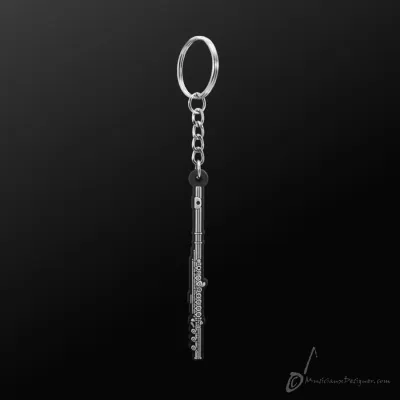
Prices are valid at publication and may change. Please refer to the product page for the latest price.
The recipient’s daily environment also plays a major role in determining the best style. A professional music educator working in a formal studio or school setting will likely prefer a subtle, elegant accessory that complements their professional attire. Meanwhile, a younger student or a hobbyist might welcome a highly expressive, colorful, or quirky design that sparks conversation. Transitioning from a purely decorative novelty to a functional everyday accessory requires analyzing how the recipient will actually use the item.
For the Piano Student: Encouragement and Practicality
For a piano student, a keychain serves as a tangible token of encouragement and a celebration of their hard work. Look for recognizable musical motifs that clearly represent their instrument, such as miniature grand pianos, classic black-and-white keyboard layouts, or symbolic treble clefs. These designs help reinforce their musical identity and provide a sense of pride as they progress through their graded exams or prepare for local recitals.
Practicality is key for students who are constantly on the move between school, home, and music lessons. Consider keychains equipped with secure, easy-to-use attachment hardware, such as a sturdy lobster claw clasp. This allows the student to easily clip the keychain to the zipper of their music book bag, instrument case, or school backpack. Having a dedicated, visible accessory makes it much easier for them to identify their belongings in a busy classroom or waiting room.
Because student accessories are subjected to frequent handling, dropping, and outdoor exposure, durability is a non-negotiable factor. Prioritize robust materials like thick acrylic, solid zinc alloy, or stainless steel that can withstand being tossed into backpacks or dropped on hard floors. Avoid delicate, painted details that might chip easily, and opt instead for molded colors or deeply engraved patterns that maintain their appearance over time.
For the Music Teacher: Appreciation and Professional Elegance
When expressing gratitude to a music teacher, the gift should reflect their dedication, patience, and professional standing. Avoid overly cartoonish or cheap novelty items, which can feel impersonal or cluttered. Instead, focus on minimalist, high-quality finishes that exude sophistication, such as brushed stainless steel, polished brass, or subtle, high-grade enamel work that complements a professional wardrobe.
Personalization adds a deeply thoughtful layer to a teacher appreciation gift. Many high-quality keychains allow for custom engraving on the reverse side, where you can add the teacher’s initials, the year, or a brief message of thanks. Before finalizing your order, always verify the seller’s character limits, available font styles, and engraving methods to ensure the final product looks clean, legible, and professional.
Teachers often manage multiple sets of keys for studios, classrooms, and home, making a secure attachment mechanism absolutely essential. Look for heavy-duty split rings or screw-lock cable rings that can securely hold several keys without risk of opening accidentally. A sleek, professional-looking keychain can also be attached to a school lanyard or an office bag, serving as a subtle nod to their vocation during daily school activities.
For the Music Enthusiast: Personal Expression and Aesthetics
Music enthusiasts and casual piano lovers appreciate keychains that serve as an extension of their personal style and artistic tastes. For this group, look beyond standard keyboard designs and explore more artistic interpretations. Keychains featuring vintage sheet music snippets, silhouettes of famous classical composers, or abstract representations of sound waves offer a unique aesthetic that appeals to a mature music lover.
Matching the keychain to the recipient’s existing accessory style ensures they will actually use it. If their style leans vintage, a bronze-finished metal keychain with an antique patina or a leather-backed musical emblem would make an excellent match. For those with a modern, minimalist aesthetic, a sleek, geometric representation of piano keys made from matte-finished metal or dark wood will fit seamlessly with their everyday carry items.
Always verify the physical dimensions and weight of the keychain before purchasing. A keychain that is too heavy or bulky can become a nuisance in a pocket or add unnecessary weight to a car ignition switch. Ensure the item is lightweight and compact enough to be carried comfortably in a pocket or small clutch, and check that any dangling elements are securely fastened so they do not create distracting noise during daily movement.
Key Features to Check Before You Buy
To ensure your gift is durable and safe for daily use, it is important to evaluate its physical specifications carefully. The table below outlines the primary materials used in piano keychains and what to look for during your search:

| Material Type | Pros | Cons | Best Suited For |
|---|---|---|---|
| Stainless Steel | Highly durable, rust-resistant, professional look | Heavier than acrylic, limited color options | Teachers and professionals |
| Zinc Alloy | Affordable, highly detailed molds, lightweight | Can tarnish over time in humid climates | Students and casual gifts |
| Acrylic | Vibrant colors, lightweight, budget-friendly | Can scratch easily if kept with metal keys | School bags and young students |
| Wood / Leather | Unique vintage aesthetic, quiet, lightweight | Requires protection from moisture | Style-conscious enthusiasts |
When evaluating materials, keep the local climate in mind. In humid tropical environments like Singapore, cheap metal alloys can tarnish or rust rapidly when exposed to moisture and sweat. Opting for stainless steel or keychains with protective anti-tarnish coatings will ensure the gift remains pristine. If choosing acrylic, check if the design is printed on the inside layer to prevent the graphics from scratching off during contact with metal keys.
Inspect the attachment hardware closely in product photos. A weak jump ring—the small wire loop connecting the charm to the main keyring—is the most common failure point on cheap keychains. Look for designs that use thick, soldered jump rings or double-loop split rings to connect the pieces. This simple structural detail prevents the musical charm from accidentally detaching and getting lost during daily use.
Finally, be cautious of keychains that claim to include functional tools, such as miniature bottle openers, LED lights, or small tuning wrench attachments. While these multi-functional designs sound appealing, the built-in tools are often too small or made of soft metals that fail under pressure. If you want a functional accessory, prioritize structural integrity and a reliable clasp over gimmicky add-ons that might break quickly.
Where to Find Quality Piano Keychains
Finding a high-quality piano keychain requires looking in the right retail channels. Specialized online music accessory stores are excellent starting points, as they curate items specifically designed for musicians, music teachers, and students. These retailers generally understand the community’s standards and are more likely to stock durable, accurately detailed designs that depict correct keyboard layouts and musical notation.
For unique, handcrafted, or highly customizable options, independent artisan platforms and online marketplaces are invaluable resources. Here, you can connect directly with makers who offer custom metal stamping, hand-painted details, or laser-cut wooden designs. When shopping on these platforms, always read customer reviews to verify the quality of the materials and check the seller’s processing times, especially if you need the gift by a specific recital date.
If you prefer to see the item in person before buying, visit local music schools, conservatories, or performing arts gift shops, such as those located near major concert halls. These physical shops often carry exclusive, high-quality merchandise and locally themed musical gifts that you cannot find online. Supporting these shops also directly contributes to the local arts community, making your purchase even more meaningful.
Regardless of where you buy, always review the seller’s return policies and shipping estimates. This is particularly crucial for personalized or engraved items, which are typically non-refundable unless there is a manufacturing defect. Double-check all spelling and customization details before submitting your order, and allow for extra transit time during peak holiday seasons to ensure your gift arrives well ahead of your celebration.
Frequently Asked Questions (FAQ)
Can I personalize a piano keychain with the recipient's name?
Yes, many online sellers and independent artisans offer personalization options for piano keychains. This is commonly done through laser engraving on metal surfaces, custom printing on acrylic, or hand-stamping on leather elements. You can typically add the recipient’s name, initials, a graduation year, or a short, inspiring musical quote to the back of the charm.
Before placing your order, carefully review the seller’s specified character limits, font choices, and layout previews. Keep in mind that highly detailed fonts may be difficult to read on smaller keychains, so clean, block-style lettering is usually recommended. Because customized items are generally non-returnable, double-check your spelling and allow for additional processing and shipping time.
Are piano keychains suitable for people who play other instruments?
Yes, piano keychains are widely appreciated by all types of musicians and music lovers. The piano keyboard is a universal symbol of music theory and education, making it highly recognizable and respected across different musical disciplines. Many multi-instrumentalists, vocalists, and composers have a foundational connection to the piano, as it is often used for songwriting and learning harmony.
If the recipient plays multiple instruments, you can look for hybrid designs that combine piano keys with other universal musical symbols, such as a treble clef, a bass clef, or a generic music note. However, if the recipient is highly specialized in a specific instrument—such as the violin or classical guitar—it is always best to verify if they would prefer an accessory dedicated to their primary instrument to make the gift feel as personal as possible.
How do I clean and maintain a metal piano keychain?
To keep a metal piano keychain looking its best, wipe it down regularly with a soft, dry microfiber cloth to remove finger oils, dust, and moisture. This simple step is especially important in humid climates, where sweat and atmospheric moisture can accelerate the tarnishing process on non-precious metals. Avoid using harsh household chemicals, abrasive scrubbers, or liquid jewelry cleaners unless they are explicitly approved by the manufacturer.
If the keychain has painted enamel details or acrylic protective layers, keep it away from direct heat and prolonged sunlight, which can cause colors to fade or warp. Periodically inspect the attachment hardware, such as the jump rings and clasps, for any signs of bending, loosening, or structural wear. If you notice a gap opening in a connecting ring, use a small pair of pliers to gently close it, preventing the charm from falling off.
Community discussion
Share your experience or ask a question. Comments are reviewed before publication.