
Selecting the ideal piano score folder is a practical decision that directly impacts your performance flow, practice efficiency, and the longevity of your sheet music. The right folder does more than hold paper; it ensures your scores lie flat on the music stand, remain protected during transit, and stay readable under varying light conditions. To make an informed choice, you must evaluate key specifications such as structural design, material durability, capacity metrics, and music stand compatibility.
Determine Your Primary Need: Carrying Portfolio vs. Music Stand Binder
Before browsing specific features, clarify whether you need a transport portfolio or an active music stand binder. A transport portfolio is built like a slim briefcase or a heavy-duty sleeve, prioritizing maximum protection, weatherproofing, and secure closure. It is ideal for carrying loose sheets, heavy anthologies, and accessories to and from rehearsals. However, its rigid structure and bulk make it impractical to place directly on a piano music stand.
Conversely, an active music stand binder is engineered specifically for performance. These folders feature flexible spines, ring mechanisms, or band systems that allow the folder to lie completely flat. They prioritize quick page turns and minimal visual obstruction. Clarifying your primary use case prevents the common mistake of buying a heavy, rigid transport bag when you actually need a lightweight, flat-laying binder for active playing.
Products mentioned in this guide
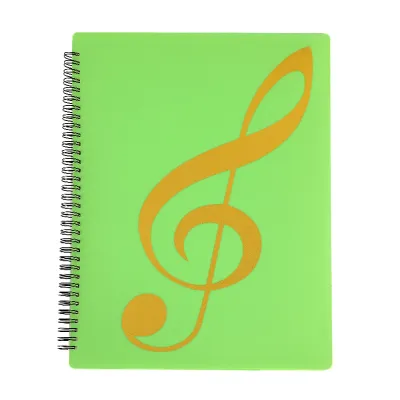
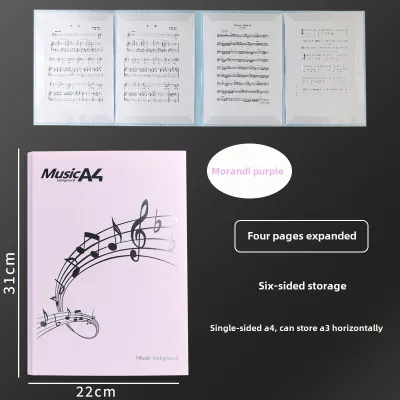

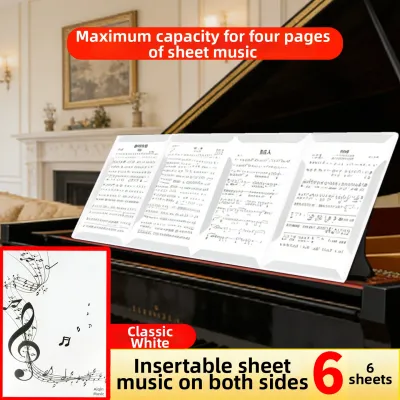
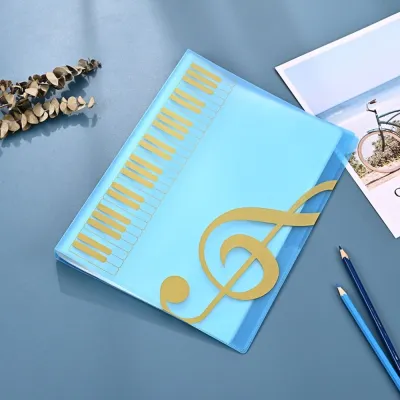
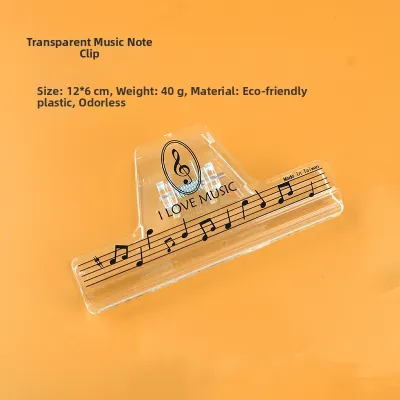
Prices are valid at publication and may change. Please refer to the product page for the latest price.
Decode Size and Capacity Metrics for Sheet Music
Sheet music does not always conform to standard office paper sizes. While standard A4 and Letter sizes are common, many classical editions and vintage scores are printed on slightly oversized paper. Before purchasing, check the internal dimensions of the folder’s pockets or sleeves to ensure your largest scores fit without bending or folding the edges.

Capacity is determined by spine width, gusset depth, or ring size. If you perform long recitals or carry complete sonata books, look for folders with expandable gussets or multi-ring binders that can accommodate high page counts. For musicians who use folded A3 sheets or continuous multi-page spreads, some specialized folders offer fold-out panels that display three or four pages simultaneously.
Additionally, verify the dimensions of any internal accessory pockets. If you plan to carry a pencil, a compact metronome, or a tuning device, these pockets must have enough clearance to close securely. Overstuffing a folder can warp the spine, which prevents it from sitting flat on your piano’s music stand.
Evaluate Materials for Maximum Score Protection
The materials used in a piano score folder dictate how well your music survives daily wear. Hard-shell exteriors, often made from molded plastics or reinforced cardboard, offer excellent structural rigidity. They prevent delicate paper from creasing when packed inside a larger bag and provide a firm writing surface for making quick annotations during rehearsals.
Soft-shell folders or padded fabric options, such as nylon or polyester, offer superior impact absorption and flexibility. While they are lighter and easier to pack, they require careful handling to avoid bending the contents. If you commute frequently, check for water-resistant exterior coatings. While rarely completely waterproof, a water-resistant shell protects your scores from light rain or accidental spills during your journey.
The interior lining is equally important. Look for acid-free, non-glare plastic sleeves or soft microfiber linings. Low-quality plastics can cause ink transfer over time, lifting the print off your sheet music. Static-free materials also ensure that pages do not stick together, which is crucial for smooth, silent page turns during a performance.
Compare Closure Mechanisms and Internal Organization
How a folder opens and closes affects both security and accessibility. Zipper closures provide the highest level of security, sealing the entire perimeter to prevent loose sheets or small accessories from slipping out. However, they take longer to open and can sometimes catch on the edges of your music.
Snap buttons and elastic bands offer faster access, making them highly convenient for quick transitions between pieces. Elastic bands are particularly lightweight but can lose their elasticity over time. Inside the folder, look for dedicated pen loops, mesh pockets, and dividers. These features keep your pencils, highlighters, and loose notes organized, preventing them from sliding around and damaging the main scores.
For musicians on the move, external carrying features add significant convenience. Check for reinforced top handles or integrated D-rings that allow you to attach a detachable shoulder strap. This enables hands-free carrying, which is especially helpful when transporting your instrument or other gear.
Check Music Stand Compatibility for Active Playing
A folder that performs well in transit must also perform well on the piano. The spine width and ring placement are critical; bulky rings or excessively thick spines can prevent the folder from resting flush against the music stand. This gap can cause the folder to wobble or slide when you turn pages.
Lighting is another major factor. Standard glossy plastic sleeves reflect overhead stage lights or home lamps, creating distracting glare that obscures the notes. Look for folders featuring matte, anti-glare sleeves, or “band-style” folders that hold the paper only at the top and bottom margins, leaving the center of the page completely uncovered for glare-free reading and direct annotation.
Finally, consider the overall weight and base stability. A folder that is too heavy can cause lightweight wire music stands to tip over. Conversely, a folder that is too light or lacks a slip-resistant backing may slide off angled wooden music shelves. Selecting a folder with a balanced weight and a stable, flat-laying design ensures it remains secure throughout your performance.
Frequently Asked Questions (FAQ)
Can a standard office folder be used for piano scores?
While a standard office folder is an inexpensive temporary option, it generally lacks the features required for serious piano practice. Office binders rarely lie completely flat, causing the pages to curve and making them difficult to read on a music stand. They also lack the specialized anti-glare sleeves or band designs that allow for quick, silent page turns and direct pencil annotations during rehearsals.
How do I clean and maintain a fabric piano score folder?
To maintain a fabric folder, always check the manufacturer’s care label first. For minor stains, perform a gentle spot cleaning using a damp microfiber cloth and mild soap, avoiding harsh chemical detergents that can strip away water-resistant coatings. Allow the folder to air dry completely in a well-ventilated area before storing sheet music inside to prevent moisture buildup, mold, or mildew.
Community discussion
Share your experience or ask a question. Comments are reviewed before publication.