
For a beginner guitarist in Singapore, protecting your first instrument from an accidental drop is one of the most practical steps you can take to safeguard your investment. The most reliable and beginner-friendly solution to this common hazard is a quality guitar strap lock, which physically secures your strap to the guitar’s body. Depending on your budget, comfort with basic tools, and guitar type, the best options range from simple, tool-free rubber strap blocks to heavy-duty mechanical metal locking systems.
While seasoned players often default to complex hardware installations, beginners have access to several highly effective, low-cost alternatives that require zero modification to the instrument. Choosing the right system involves balancing absolute physical security against ease of installation and cost. By understanding how these different systems work, you can easily find an option that keeps your guitar safe during long practice sessions and jam room rehearsals.
Why Standard Strap Buttons Fail and Why You Need Locks
Standard factory-installed strap buttons are simple metal pegs with a slightly flared end designed to hold a strap in place through friction. While this design is inexpensive to manufacture, it relies entirely on the tightness of the pre-cut holes in your guitar strap. Over time, the leather, faux leather, or synthetic material of the strap naturally stretches and softens due to the weight of the instrument and the constant movement of your body while playing. As these holes widen, the strap can easily slip over the flared edge of the button, especially when you tilt the guitar neck upward or move around.
Products mentioned in this guide

![[SG 🚚] 1Pc Folk Guitar Strap Buckle Leather Belt Guitar Neck Strap Safe Lock Holder For Ukulele Classic Bass Guitar Parts](https://img.lazcdn.com/g/p/858ffb21e5154bf7bfa3720721f21ad3.jpg_400x400q80.jpg_.webp)
Prices are valid at publication and may change. Please refer to the product page for the latest price.
When a strap suddenly detaches, the consequences for your instrument are often severe and expensive to repair. A falling guitar can suffer deep cosmetic chips, structural cracks along the neck joint, or a completely fractured headstock, which is a particularly common and devastating injury for instruments with angled headstocks. Additionally, the impact can misalign internal electronics, shatter control knobs, or bend tuning pegs, turning a minor slip into a costly trip to a local repair shop.
For a beginner, a reliable strap locking system serves as an essential, low-cost insurance policy for your first instrument. Investing a small amount of money in a locking system provides immediate peace of mind, allowing you to focus entirely on learning proper fretting and picking techniques rather than constantly worrying about catching a falling guitar. Whether you are practicing sitting down in your bedroom or standing up in a local rehearsal studio, keeping your guitar securely attached to your body is fundamental to safe playing.
How to Choose the Right Strap Lock: Criteria for Beginners
Selecting the right locking system requires evaluating a few key dimensions to ensure the product matches your specific guitar, your comfort level with basic tools, and your personal budget. By looking at these criteria, you can avoid buying hardware that is too complex to install or incompatible with your instrument.

Security Level
Different systems offer varying levels of physical retention, and you should choose one based on how you play and the weight of your guitar. High-security mechanical locks use a positive metal-on-metal latching mechanism that cannot be released without a deliberate manual pull, making them ideal for heavy solid-body electric guitars. Friction-based systems, such as rubber washers, rely on the elasticity of the material to block the strap from sliding off, which offers excellent security for lighter electric or acoustic guitars during standard home practice.
Ease of Installation
For many beginners, the prospect of modifying a brand-new guitar can be intimidating. Tool-free options require absolutely no changes to your instrument; you simply slide them over your existing factory hardware in seconds. On the other hand, mechanical locking systems require you to unscrew your guitar’s original strap buttons and screw in proprietary metal replacements, which requires a screwdriver and a basic understanding of wood threads.
Cost-Effectiveness
Strap locking systems are available across a wide range of price points in Singapore, allowing you to find a solution regardless of your budget. Simple rubber blocks are incredibly inexpensive, often costing under S$10 for a multi-pack, making them an excellent starting point for any player. Premium mechanical metal locking kits generally range from S$20 to S$45, a price that is easily justified if you are protecting a mid-range or high-end electric guitar.
Aesthetic and Profile
Some players prefer their hardware to remain as discreet as possible, while others enjoy the look of polished metal accents. Mechanical systems add noticeable physical bulk to the horn and base of your guitar, extending the pivot point of the strap outward by a centimeter or two. Rubber blocks maintain a very low profile, sitting flush against the strap and preserving the classic look of your instrument without adding extra weight.
Best Strap Lock Types for a Beginner's First Purchase
To help you find the right match, it is helpful to look at the three primary categories of strap locks available on the market. Each type offers a distinct balance of security, installation style, and price.
Mechanical Metal Locks: Maximum Security
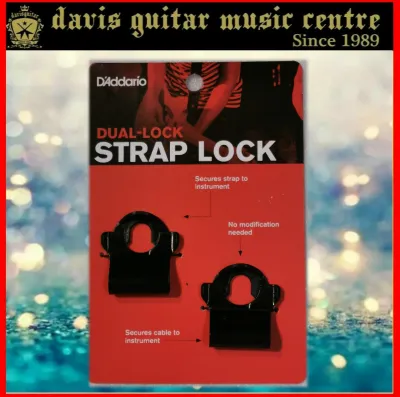
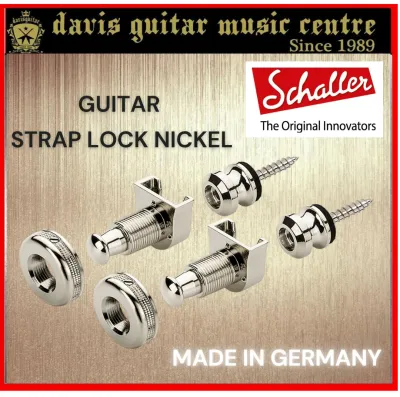
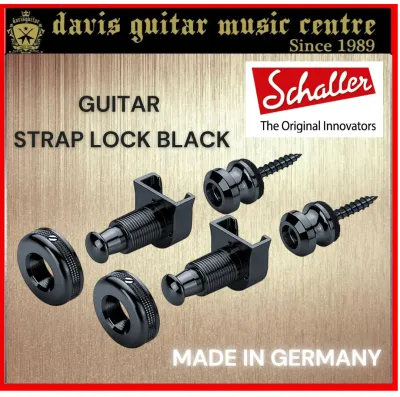
Mechanical metal locks represent the gold standard for physical security, utilizing a two-part system to create an unbreakable connection. The system consists of a specialized metal button that you screw directly into your guitar body, and a spring-loaded locking collar that clamps securely onto your guitar strap. When you slide the strap collar over the button, it automatically clicks and locks into place, requiring you to pull a spring-loaded release knob to detach the strap.
- Pros: This design offers the highest possible security rating, ensuring your guitar will not fall even during high-energy movement. The durable metal construction is built to last for decades, and the quick-release mechanism allows you to detach your strap in seconds for easy storage in a tight gig bag.
- Cons: Installation requires replacing your guitar's original factory screws and buttons, which can be challenging if the new screws do not match the original holes. These systems are also the most expensive option and can sometimes squeak slightly as the metal components rub together during movement.
- Ideal for: Beginners playing heavy solid-body electric guitars, players who practice standing up, or anyone planning to perform on stage where active movement is common.
Rubber Strap Blocks: Simple and Budget-Friendly
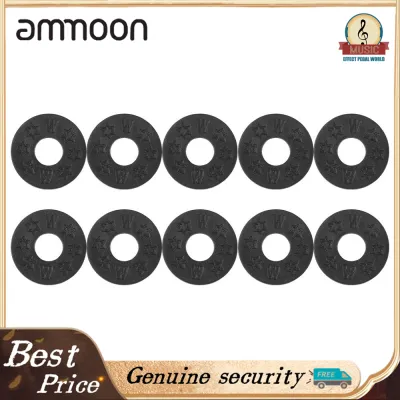
Rubber strap blocks, often referred to as strap savers or washers, are thick, flexible silicone or rubber discs with a small, reinforced hole in the center. To use them, you simply put your guitar strap onto your standard factory buttons as normal, and then stretch the rubber block over the top of the button. The high friction and elasticity of the rubber prevent the strap from sliding back over the flared edge of the button.
- Pros: This solution is extremely affordable, requires absolutely no tools or modifications to your guitar, and works with almost all standard factory strap buttons. Because they are made of soft rubber, they will not scratch your guitar's finish and add virtually no weight to your setup.
- Cons: Rubber naturally degrades, dries out, and loses its elasticity over time, especially in Singapore's hot and highly humid climate, meaning they must be inspected regularly and replaced periodically. They are also less suitable for heavy stage performances where the guitar is subjected to sudden, violent forces.
- Ideal for: Absolute beginners on a tight budget, players using lightweight acoustic guitars, or those who want a completely non-invasive safety solution.
Integrated Locking Straps: The All-in-One Upgrade
Integrated locking straps feature a built-in locking mechanism directly sewn into the leather or synthetic ends of the strap itself. Instead of relying on separate hardware attached to the guitar, these straps use built-in plastic gates, rotating clips, or spring-loaded clamps that lock directly onto your guitar’s existing factory strap buttons.
- Pros: This design eliminates the need to purchase separate locks and a strap, providing a clean, cohesive, and hassle-free setup. They require zero tools or modifications to your instrument and can be quickly moved from one guitar to another without changing any hardware.
- Cons: Choosing this option limits you to the specific strap designs, widths, and padding levels offered by the manufacturer. Additionally, if the strap material eventually wears out, gets dirty, or tears, the entire locking mechanism must be replaced along with the strap.
- Ideal for: Beginners who do not yet own a high-quality strap and want a convenient, all-in-one upgrade that requires no tool installation.
Installation and Compatibility Checks Before You Buy
Before purchasing any locking system, performing a few quick compatibility checks will ensure a smooth installation process and prevent accidental damage to your instrument’s wood or finish.
Screw Size and Thread Pitch
If you choose a mechanical metal locking system, you will need to replace your guitar’s factory strap button screws with the screws provided in the locking kit. It is vital to compare the length, diameter, and thread pitch of the new screws against your original screws before driving them into the wood. Many beginner guitars manufactured in Asia use metric-threaded screws, while some aftermarket lock kits use imperial-threaded screws. Forcing a mismatched screw into the existing pilot hole can strip the delicate wood fibers inside the guitar body, leaving the button loose and unstable.
Body Thickness and Clearance
Some electric guitars, particularly thin-body models or those with heavily contoured edges, have limited wood thickness around the strap button mounting points. Always verify that the screws provided with your new hardware are not significantly longer than your factory screws. Using a screw that is too long can risk puncturing internal electronic cavities, damaging wiring, or splintering the wood on the opposite side of the guitar body.
Acoustic vs. Electric Considerations
Acoustic guitars require extra care when selecting and installing strap hardware. The endpin button at the bottom of an acoustic-electric guitar often doubles as the 1/4-inch output jack for the onboard preamp system. These output jacks are much larger than standard strap buttons, meaning typical mechanical metal locks cannot be installed there. For acoustic instruments, flexible rubber blocks or specialized leather strap adapters are much safer, non-invasive choices that preserve the integrity of your pickup system.
Safety Boundary
If you compare your new mounting screws to the original factory screws and find that they are too long, too wide, or have a different thread pattern, do not attempt to force them into the wood. Forcing mismatched hardware can split your guitar’s wood body or strip the hole completely. If you feel any unusual resistance during installation, or if you are uncomfortable modifying your instrument, stop immediately and take your guitar to a professional luthier or a reputable music store in Singapore to have the hardware safely fitted.
Frequently Asked Questions (FAQ)
Can I install mechanical strap locks on an acoustic guitar?
While you can install mechanical metal locks on the heel of an acoustic guitar’s neck, doing so on the bottom endpin is generally not recommended. The wood on an acoustic guitar’s bottom bout is thin, and the endpin often houses the output jack for the internal pickup system, which is incompatible with standard metal locking hardware. For acoustic guitars, using flexible rubber strap blocks or specialized leather strap ties is a much safer, non-invasive way to secure your strap without risking structural damage to the body.
Do strap locks damage the guitar finish?
Properly installed mechanical metal locks do not damage your guitar’s finish, provided you use the felt or rubber washers that are typically included in the kit to cushion the metal button against the body. However, if you use rubber strap blocks and leave them on your guitar constantly, Singapore’s high relative humidity can sometimes trap moisture or oils between the rubber and the wood finish over several years. To prevent any cloudy spots or finish discoloration, it is a good practice to periodically remove rubber blocks, wipe down the strap button area with a clean microfiber cloth, and let the wood dry completely.
Community discussion
Share your experience or ask a question. Comments are reviewed before publication.