
Starting your musical journey with the ukulele is an exciting decision, but the market is flooded with instruments that look like genuine tools but function merely as toys. For beginners in Singapore, identifying a reliable ukulele brand is the single most important step toward a successful learning experience. A quality entry-level instrument ensures proper intonation, comfortable playability, and stable tuning—factors that directly influence how quickly you progress and how much you enjoy the process. When an instrument cannot stay in tune or hurts your fingers to press down, even the most dedicated student can become discouraged.
To avoid these common pitfalls, beginners must learn to distinguish between dedicated musical instrument manufacturers and generic novelty brands. This guide outlines the core decision path for selecting a reliable beginner ukulele, focusing on structural standards, essential physical specifications, common red flags to avoid, and how to safely navigate the local retail landscape in Singapore.
Key Standards for Identifying Reliable Entry-Level Brands
When searching for a reliable beginner ukulele, the reputation and manufacturing focus of the brand are paramount. Dedicated musical instrument manufacturers invest heavily in acoustic engineering, standardized quality control, and precise manufacturing templates. In contrast, toy or novelty brands prioritize low production costs, bright aesthetic designs, and high-volume distribution. A dedicated instrument brand designs its entry-level models using the same fundamental acoustic principles as its high-end professional instruments, ensuring that the structural integrity and sound projection are not compromised.
Products mentioned in this guide
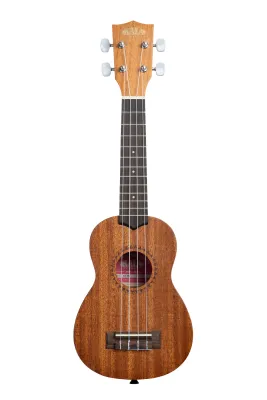
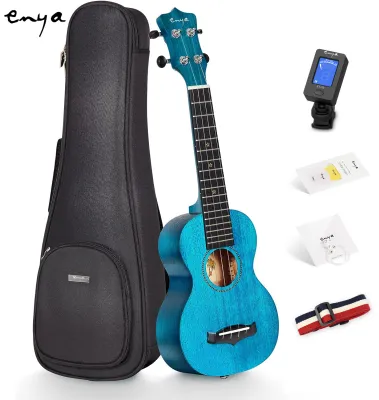
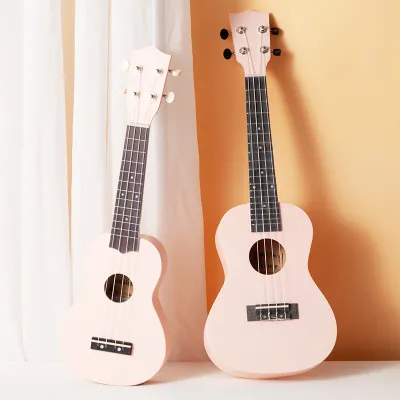
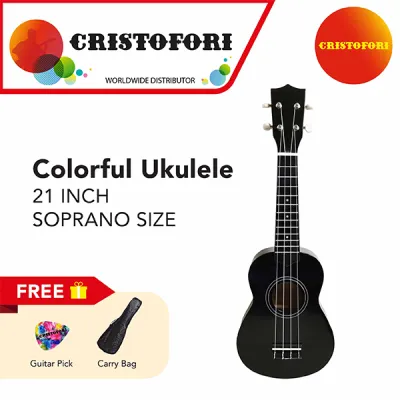
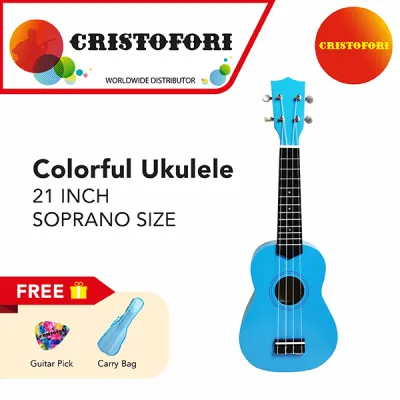
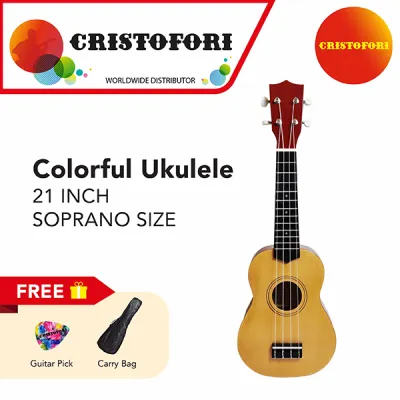
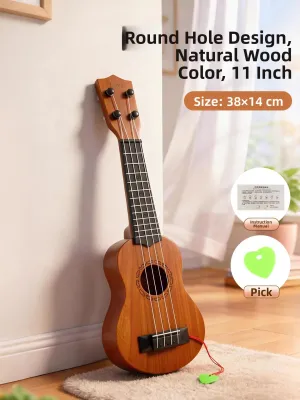
Prices are valid at publication and may change. Please refer to the product page for the latest price.
One of the primary differentiators among entry-level brands is the choice of construction materials. Beginners will encounter three main categories: high-pressure laminate (HPL), quality plywoods or laminates, and basic plastics.
High-pressure laminate (HPL) is a composite material made of wood fibers and resins pressed under extreme heat. It is incredibly durable, highly resistant to scratches, and virtually impervious to environmental changes. For players in Singapore, where high humidity and temperature fluctuations between outdoor heat and indoor air conditioning are common, HPL is an exceptionally stable choice that prevents warping.
Quality plywoods or laminates consist of thin layers of wood glued together, often topped with a visually appealing tonewood veneer like mahogany, spruce, or koa. While not solid wood, a well-constructed laminate ukulele from a reputable brand offers excellent structural strength, a traditional acoustic look, and a warm, pleasing tone at an affordable price point.
Basic plastics should generally be avoided, with a few notable exceptions. Some established instrument manufacturers produce high-quality composite or polycarbonate travel ukuleles that offer surprisingly good acoustic properties and extreme durability. However, generic toy brands often use cheap, brittle injection-molded plastics that lack internal bracing, resulting in a thin, hollow sound and a neck that easily bends under string tension.
Consistent quality control is the hallmark of a reliable brand. When evaluating an instrument, look closely at the physical construction details. The fret edges along the side of the neck should be perfectly smooth and flush with the fretboard; sharp or protruding metal edges indicate poor manufacturing and can cause discomfort or cuts while playing. The neck joint—where the neck meets the body—must be seamless, with no visible gaps, cracks, or dried glue squeeze-out. Additionally, the bridge must be securely glued and flush against the soundboard. A lifting bridge is a severe structural defect that will eventually cause the instrument to break under the tension of the strings. Established brands utilize specialized acoustic engineering and precise gluing jigs to ensure these critical joints remain stable for years.
Essential Specifications to Check Before Buying
To ensure a ukulele is playable and suitable for learning, you must verify several physical and technical specifications. The first decision is selecting the right size. Ukuleles primarily come in three standard sizes: soprano, concert, and tenor.

The soprano is the traditional size, measuring approximately 21 inches in length. It produces the classic, bright, and plucky ukulele sound. However, because of its compact size, the frets are spaced closely together, which can feel cramped for adult fingers or those with larger hands.
The concert size, at approximately 23 inches, is widely considered the sweet spot for most beginners. It features a slightly longer neck and wider fret spacing, making it much easier to press down chords cleanly. The larger body also provides a fuller, louder, and more resonant tone while still retaining the characteristic ukulele sound.
The tenor size measures around 26 inches and is favored by solo performers and fingerstyle players. It offers the widest fret spacing, a deep, rich tone, and excellent projection. While slightly more expensive, it is a highly comfortable option for adults who find smaller instruments difficult to hold.
Beyond size, the “action” of the instrument is critical to playability. Action refers to the height of the strings above the fretboard. If the action is too high, you will have to press down excessively hard to fret a note, which causes finger fatigue and pulls the note sharp (out of tune). If the action is too low, the strings will vibrate against the frets, causing an annoying buzzing sound. A reliable brand ensures that the nut and saddle are cut to precise heights, maintaining a comfortable, low action across the entire fretboard.
Intonation is another vital specification. An instrument with good intonation plays in tune across all frets. You can check this by tuning the open string perfectly, then pressing down at the 12th fret (the octave marker). The note at the 12th fret should be exactly one octave higher and perfectly in tune. Cheap, poorly engineered ukuleles often suffer from terrible intonation, meaning that even if the open strings are in tune, the chords you play higher up the neck will sound sour and discordant.
Tuning stability relies heavily on the quality of the tuning machines. Reliable beginner brands almost exclusively use geared tuning pegs, typically with a 14:1 gear ratio. These tuners feature a metal worm gear that holds the string tension securely and allows for precise, incremental adjustments. Avoid instruments with cheap friction pegs (which stick straight out the back of the headstock without gears) unless they are high-quality, professional-grade friction tuners. Low-end friction pegs constantly slip, causing the instrument to go out of tune within minutes of playing.
Finally, evaluate the true value of bundled accessories. Many entry-level packages include a gig bag, clip-on tuner, strap, spare strings, and instructional booklets. While these bundles are convenient, always prioritize the build quality of the ukulele itself. A high-quality, standalone instrument is always a better investment than a poorly constructed ukulele packaged with a dozen cheap accessories.
Red Flags: How to Spot and Avoid "Toy" Ukuleles
Learning to spot the warning signs of a “toy” ukulele will save you from wasting money on an unplayable instrument. One of the most obvious red flags is the presence of non-functional or purely decorative features. For example, some toy ukuleles feature painted-on fret markers or fret lines rather than actual metal frets embedded into the fretboard. Without physical metal frets, it is impossible to produce clear, sustained notes. Similarly, beware of instruments with highly painted, glossy finishes designed to cover up low-quality wood, structural cracks, or heavy layers of glue.
All-plastic bodies and necks from unbranded manufacturers present significant limitations. Unlike high-quality composite travel instruments engineered by reputable brands, cheap plastic toys lack the internal bracing required to withstand the constant tension of nylon strings. Over time, the plastic neck will warp or bow forward, raising the action to an unplayable height. The plastic bridge on these models is often molded directly into the body, meaning it cannot be adjusted or repaired if it warps or cracks.
Price is another highly reliable indicator of quality. In Singapore’s musical instrument market, a playable, structurally sound entry-level ukulele typically starts around S$50 to S$100. If you encounter an option priced suspiciously low—such as S$15 to S$30 on online marketplaces—it is almost certainly a toy. At these ultra-low price points, manufacturers must cut corners on materials, labor, and quality control. These instruments often use cheap plastic strings that stretch endlessly and never hold a tune, combined with loose tuning pegs that slip under the slightest tension.
When inspecting an instrument in person, feel for physical defects. Run your fingers gently along the edges of the fretboard. If you feel sharp, jagged metal ends sticking out, the wood has shrunk or the frets were never properly finished. Pluck each string individually while pressing down on every fret from the first to the twelfth. If you hear a metallic buzzing or rattling sound, it indicates uneven frets, a warped neck, or loose internal bracing. These defects are incredibly frustrating for beginners, as they make it nearly impossible to play basic chords cleanly.
Where to Buy and Verify Authenticity in Singapore
Navigating where to purchase your first ukulele in Singapore can greatly impact your overall satisfaction and the longevity of your instrument. While general e-commerce platforms offer convenience and low prices, they carry significant risks for musical instruments. Instruments shipped from overseas online marketplaces are often subjected to rough handling, extreme temperature shifts during transit, and a complete lack of pre-delivery inspection. Furthermore, if the instrument arrives damaged, warped, or with high action, returning it to an overseas seller can be costly and time-consuming.
In contrast, purchasing from a specialized local music store offers several distinct advantages. Physical stores allow you to hold different sizes, feel the neck profile, and hear the tonal differences between models in person. Most importantly, reputable local music shops employ staff who can perform a professional setup on the instrument before you purchase it. They can adjust the action, ensure the frets are smooth, and verify that the intonation is correct. Additionally, buying from an authorized local dealer ensures you receive a genuine product backed by a local manufacturer’s warranty, typically covering structural defects for one year.
To verify seller credentials and ensure you are buying an authentic instrument, check the official website of the brand you are interested in. Most reputable brands maintain a list of authorized distributors and dealers for Singapore. If a seller on an online marketplace is offering a brand-name ukulele at a price that seems too good to be true, or if they cannot provide clear details about local warranty support, it is best to proceed with caution.
If you decide to purchase in person, use this quick pre-purchase inspection checklist:
- Sight down the neck from the headstock to the body to ensure the neck is straight and not bowed or twisted.
- Run your hand up and down the sides of the neck to check for sharp fret ends.
- Check the bridge area to ensure there are no gaps between the wooden bridge and the body.
- Turn each tuning peg to ensure they rotate smoothly without slipping or sticking.
- Ask the store staff about their return and exchange policies, especially if you are purchasing the instrument as a gift.
If you must buy online, choose local e-commerce sellers who have established physical storefronts in Singapore, as they are much more likely to inspect the instrument before shipping and provide reliable local customer service.
Frequently Asked Questions (FAQ)
Do I need a solid wood ukulele as a beginner?
No, a solid wood ukulele is not necessary for a beginner, and in many cases, a high-quality laminate or HPL instrument is actually a better choice. Singapore’s tropical climate features high relative humidity, which can cause solid wood to swell, warp, or even crack when transitioning between humid outdoor air and dry, air-conditioned indoor spaces. Solid wood instruments require careful humidity monitoring and maintenance. Laminate and HPL materials are structurally stable, highly resistant to climate fluctuations, and far more durable and cost-effective for someone just starting out. Focus on proper setup and playability rather than premium wood materials.
Which ukulele size is best for adult beginners?
For most adult beginners, the concert size is the highly recommended starting point. It offers a comfortable middle ground between the compact, traditional soprano and the larger tenor. The concert size provides wider fret spacing, which makes it much easier for adult fingers to press down chords cleanly without feeling cramped. It also features a larger body that produces a fuller, warmer sound with better projection than a soprano, while still being highly portable and easy to hold. If you have exceptionally large hands or prefer a deeper, more guitar-like tone, the tenor size is also an excellent option to consider.
Community discussion
Share your experience or ask a question. Comments are reviewed before publication.