
When you are first starting out on the electric guitar, stepping into the world of effects pedals can feel incredibly overwhelming. The market is saturated with thousands of options, ranging from inexpensive, unbranded plastic boxes to highly complex, boutique units that cost hundreds of dollars. To build a solid foundation without overspending or getting bogged down in complicated programming, your best strategy is to focus on established, reliable brands that offer durable hardware, intuitive controls, and classic tones.
For a beginner guitarist, a reliable effects pedal brand is one that balances road-tested durability with straightforward usability and a standardized power setup. Brands like Boss, TC Electronic, MXR, and Electro-Harmonix (EHX) stand out as the premier choices for those buying their first pedals. These manufacturers have spent decades refining their designs, ensuring that their entry-level models are easy to understand, hold their resale value, and can easily withstand the physical demands of daily practice and live performances.
What Makes an Effects Pedal Brand Reliable for Beginners?
To choose the right gear, it helps to understand what separates a dependable pedal from a frustrating one. The first major factor is physical build quality and the materials used for the enclosure. Beginners often practice at home, but eventually, pedals find their way onto pedalboards, floorboards, and stage setups where they are stomped on repeatedly. Opting for brands that use solid metal chassis—typically cast aluminum or steel—and heavy-duty metal footswitches ensures your investment will not crack or fail after a few months of use. Plastic pedals might save a few dollars upfront, but they frequently suffer from broken jacks, cracked casings, and failing switches under normal foot pressure.
Products mentioned in this guide
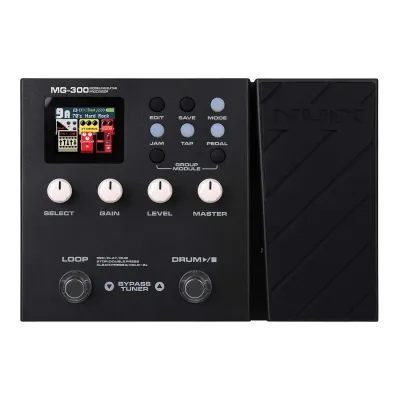
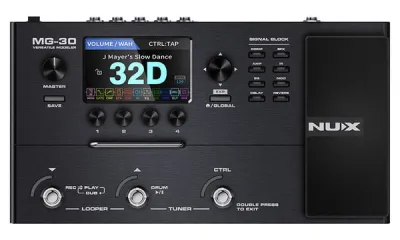
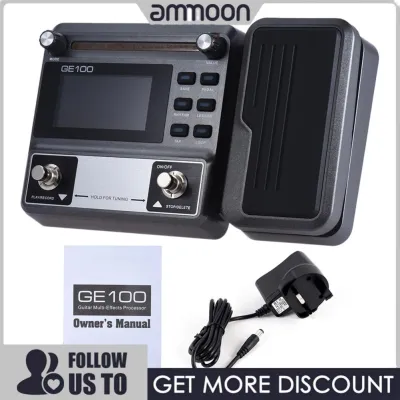
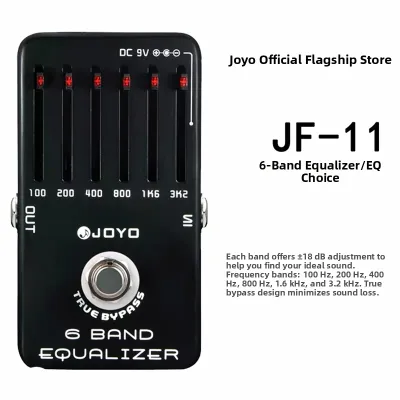
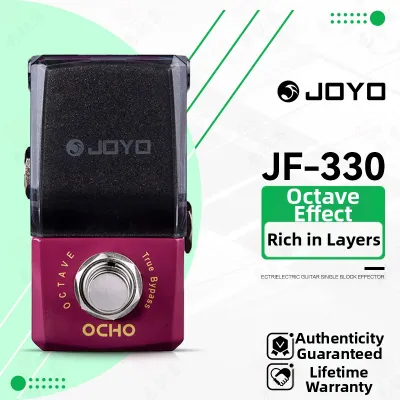
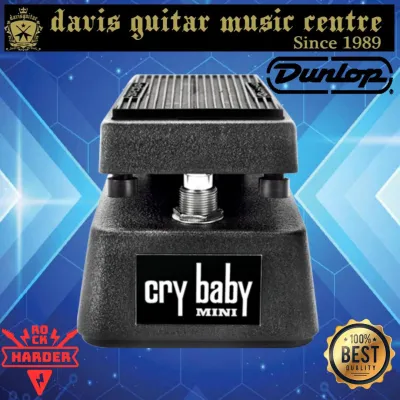
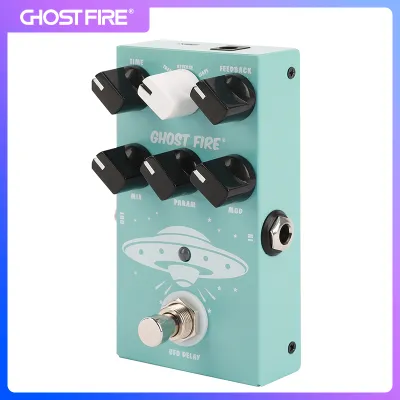
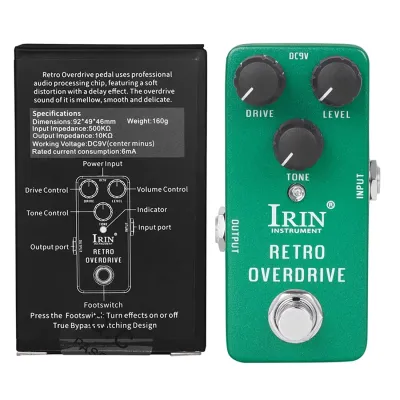
Prices are valid at publication and may change. Please refer to the product page for the latest price.
Another critical consideration is the control layout and user interface. When you are learning how different effects alter your guitar signal, you want immediate, tactile feedback. A great beginner pedal features dedicated analog knobs for each parameter, allowing you to turn a dial and instantly hear how the sound changes. Avoid pedals that require you to scroll through deep digital menus or connect to a computer just to adjust basic settings like volume or gain. Simple, single-function knobs teach you the physics of sound and signal processing far more effectively than complex digital interfaces.
Power standardization is an often-overlooked detail that can cause massive headaches for new players. The vast majority of modern effects pedals run on a standard 9-volt DC power supply with a center-negative polarity. Reliable beginner brands adhere strictly to this standard, making it incredibly easy to power your pedals using standard wall adapters or multi-pedal daisy chains. Choosing a brand that uses non-standard voltages or proprietary power connectors will complicate your setup, increase your costs, and potentially lead to accidental damage if you plug in the wrong power source.
Finally, consider the resale value and community support associated with established brands. If you decide to upgrade your rig, change your musical style, or sell a pedal you no longer use, highly recognizable brands retain a significant portion of their original value on the secondhand market. Furthermore, because millions of guitarists use these exact pedals, finding troubleshooting guides, recommended settings, and online tutorials is incredibly easy. If you encounter a hum, a signal drop, or simply want to know how to replicate a specific artist’s tone, a quick search will yield thousands of helpful forum posts and videos.
Top Reliable Effects Pedal Brands for Your First Rig
Boss: The Industry Standard for Durability
For over four decades, Boss has been the undisputed benchmark for reliable effects pedals. Their distinctive compact pedal design, featuring a large, easy-to-stomp rubberized switch and a recessed knob compartment, is recognized by guitarists worldwide. Built like physical tanks, these pedals are virtually indestructible, making them a safe investment for a beginner who wants gear that will last a lifetime.

The beginner appeal of Boss lies in its absolute consistency and practical design. Every compact Boss pedal features a high-quality buffered bypass, which helps preserve your guitar’s high-frequency signal when running long cables to your amplifier. The controls are always clearly labeled and highly responsive, allowing you to dial in usable tones within seconds of plugging in.
When starting your search, classic entry points to verify include the legendary DS-1 Distortion or the DD-3T Digital Delay. These models are widely available at local music stores across Singapore, allowing you to compare physical units and check current retail prices in SGD before making a decision.
TC Electronic: Modern Features and Great Value
TC Electronic, a Danish brand known for high-quality studio processors, offers an exceptional balance of modern digital innovation and rugged hardware. They provide both standard-sized pedals and ultra-compact “mini” enclosures, making them highly versatile for players who have limited space on their practice desks or small pedalboards.
What makes TC Electronic particularly appealing to beginners is their proprietary TonePrint technology. This feature allows you to beam custom, artist-designed presets directly from your smartphone into the pedal using your guitar’s pickup, or via a USB connection. It gives you access to professional, pre-configured tones without requiring you to understand complex sub-parameters, serving as an excellent bridge between simple analog controls and modern digital flexibility.
If you want to explore ambient and time-based effects, the Flashback Delay or the Hall of Fame Reverb series are outstanding models to verify. They offer pristine audio quality, true bypass switching to keep your dry signal completely unaffected when the pedal is off, and highly intuitive controls.
MXR: Compact, Simple, and Pedalboard-Friendly
An offshoot of Dunlop, MXR is famous for pioneering the compact, no-nonsense pedal format. Their designs are characterized by incredibly small footprints, minimalist graphics, and highly focused control schemes that do one specific job exceptionally well.
For a beginner, MXR pedals are fantastic because they strip away all unnecessary distractions. With many models featuring only one or two knobs, you are forced to listen closely to how the effect interacts with your playing style rather than getting lost in endless adjustments. This simplicity is highly educational, helping you master the core characteristics of modulation, overdrive, or compression.
The MXR Phase 90 is perhaps the most famous modulation pedal in history, featuring just a single speed knob to control its iconic swirling effect. Another classic option is the MXR Distortion+, which delivers vintage hard-clipping tones. While premium models like the Carbon Copy Analog Delay sit in a slightly higher price tier, they remain highly accessible and hold excellent value over time.
Electro-Harmonix (EHX): Iconic Tones on a Budget
Based in New York, Electro-Harmonix (EHX) is renowned for its quirky, creative, and historically significant effects circuits. They have been a driving force behind some of the most famous guitar tones in rock history, making them the go-to brand for beginners who want to experiment with unique and expressive sounds.
To accommodate modern players, EHX has repackaged many of their legendary, oversized vintage circuits into their “Nano” and “Pico” series. This means you can access classic fuzz, delay, and modulation tones at highly affordable price points without sacrificing valuable space. Their pedals are simple, expressive, and offer a distinct character that stands out from more sterile digital processors.
However, keep in mind that standard, vintage-style EHX enclosures (like the classic Big Muff Pi) are physically much larger than Boss or MXR pedals. If you plan to build a compact beginner pedalboard, these larger enclosures can quickly crowd your space, so opting for their Nano variations is generally recommended for those starting out.
Comparing the Best Beginner-Friendly Pedal Brands
To help you decide which brand aligns best with your budget, space constraints, and musical goals, the following comparison highlights the core strengths and typical characteristics of each manufacturer.
| Brand | Key Strength | Best For | Control Complexity | Entry-Level Model to Verify |
|---|---|---|---|---|
| Boss | Indestructible build, buffered signal | Lifetime durability & gigging | Very Low to Moderate | DS-1 Distortion |
| TC Electronic | TonePrint technology, high fidelity | Modern flexibility & presets | Moderate (Simple physical controls) | Hall of Fame Reverb |
| MXR | Ultra-compact footprint, simple layouts | Saving pedalboard space | Very Low | Phase 90 Phaser |
| Electro-Harmonix | Creative, historic analog circuits | Unique, expressive tones | Low to Moderate | Nano Big Muff Fuzz |
Note: Retail prices, stock availability, and specific product revisions can fluctuate. Before purchasing, it is highly recommended to verify current specifications and local pricing with authorized music distributors or official brand websites.
What to Verify Before Buying Your First Effects Pedal
Before you purchase your first pedal, performing a few quick compatibility checks will save you from potential technical issues or even damaging your new gear. First, always verify the power supply requirements of the pedal. Check the required voltage (almost always 9V DC for beginner pedals), the current draw measured in milliamperes (mA), and the polarity symbol. Connecting a center-positive power supply to a pedal designed for center-negative power can permanently burn out the internal circuitry. Ensure your power adapter can supply at least the minimum mA required by the pedal; analog dirt pedals typically draw very little power (under 20mA), while digital delays and reverbs can require 100mA or more.
Second, understand the difference between true bypass and buffered bypass. A true bypass pedal completely disconnects its internal circuitry from your signal path when turned off, ensuring your guitar’s natural tone remains pure. However, if you connect several true bypass pedals together using long cables, you may experience a loss of high-end clarity, known as “tone suck.” A buffered bypass pedal, like those made by Boss, uses an active buffer circuit to boost your signal strength, preserving your tone over long cable runs even when the pedal is switched off. A healthy mix of both bypass types is ideal for a growing pedalboard.
Third, consider the physical space available in your playing area. Measure your desk, floor space, or pedalboard before purchasing. While a single pedal might look small online, adding patch cables and power connectors to the sides or top of the unit increases its physical footprint significantly.
Finally, make use of local resources. If you live in Singapore, visiting physical music stores allows you to test the exact pedal model with a guitar and amplifier similar to your own setup. Testing in person helps you hear how the pedal responds to your playing dynamics and ensures you receive a valid local warranty, giving you peace of mind and direct after-sales support if any issues arise.
Frequently Asked Questions (FAQ)
Do I need an isolated power supply for these beginner pedals?
For your first one to three pedals, especially if they are simple analog effects like distortion, overdrive, or a phaser, a standard 9V wall adapter connected to a multi-plug daisy-chain cable is usually perfectly adequate. This setup is highly cost-effective and keeps your cable management simple.
However, as you expand your rig to include high-draw digital pedals—such as digital delays, reverbs, or multi-effects—or if you notice an annoying hum, buzz, or high-pitched whistle coming from your amplifier, you should consider upgrading to an isolated power supply. An isolated power supply delivers completely independent, filtered power to each output jack, preventing electrical noise from traveling between your pedals and ensuring a pristine, quiet signal chain.
Is it better to start with a multi-effects processor instead of single pedals?
The choice between single pedals and a multi-effects processor depends entirely on your learning style and goals. Single pedals offer a highly tactile, hands-on learning experience. Because each pedal has physical knobs dedicated to specific parameters, you can easily see and feel how adjusting a dial changes your sound. This makes it much easier to understand the fundamentals of signal flow and tone shaping, and you can easily swap individual pedals in and out of your rig as your tastes evolve.
On the other hand, a multi-effects processor provides a massive variety of digital effects, amplifier models, and cabinet simulations in a single unit, often at a lower cost-per-effect. While this offers incredible value and lets you experiment with hundreds of different sounds, it also introduces a steeper learning curve, often requiring you to navigate digital screens and sub-menus. If you prefer immediate, physical control, start with single pedals; if you want to explore a vast library of tones on a budget, a multi-effects unit is a viable alternative.
Community discussion
Share your experience or ask a question. Comments are reviewed before publication.