
Choosing your first electric guitar set in Singapore requires balancing immediate playability with long-term value. A reliable starter bundle provides more than just a guitar and an amplifier; it delivers a cohesive system where the instrument stays in tune, the amplifier allows for quiet practice in high-density housing, and the accessories support your daily learning routine. By focusing on established brand families and verifying local warranty support, you can avoid the common pitfalls of sub-par hardware that often discourage new players.
The local market offers a wide array of options, from heritage-inspired designs to modern, high-performance instruments. Navigating these choices involves understanding how different brand categories approach manufacturing quality and what specific components you must inspect before making a purchase. This guide outlines the essential criteria for evaluating starter bundles, compares the primary brand categories available in Singapore, and explains how to secure reliable local support for your investment.
What Defines a Reliable Beginner Electric Guitar Set?
Playability is the most critical factor for any beginner. If an instrument is physically difficult to play, a student is far more likely to give up. The neck profile—the shape and thickness of the guitar neck—should feel comfortable in your hand, allowing your fingers to reach the fretboard without straining. Action height, which refers to the distance between the strings and the fretboard, must be set at an optimal level. If the action is too high, pressing down on the strings requires excessive force, leading to finger fatigue. Conversely, if the action is too low, the strings will buzz against the frets, ruining the clarity of your notes.
Products mentioned in this guide
![Donner DST-80 Starter Electric Guitar Beginner Complete Set DST 80 Series [PREORDER]](https://img.lazcdn.com/g/p/8c66b1d290a149ee715010e328ff0807.jpg_400x400q80.jpg_.webp)
![Donner DST-100L Left-Handed Starter Electric Guitar Beginner Complete Set DST 100 Series [LIMITED STOCK]](https://img.lazcdn.com/g/p/51af206e23ce7f0d0a36140f34d65607.png_400x400q80.png_.webp)
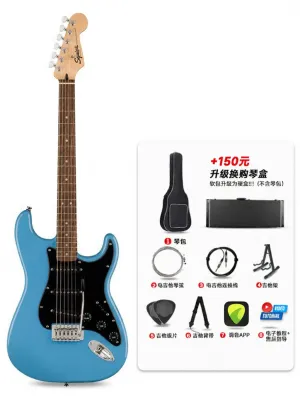

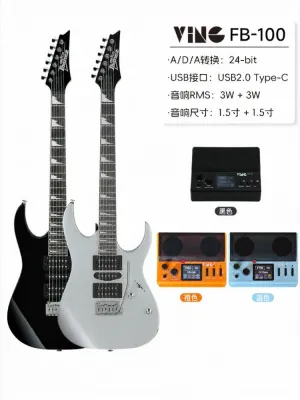
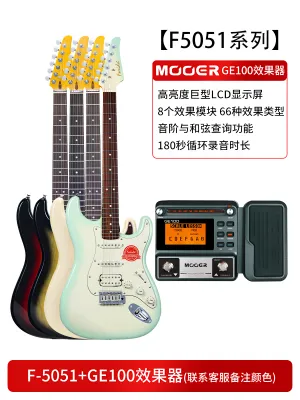
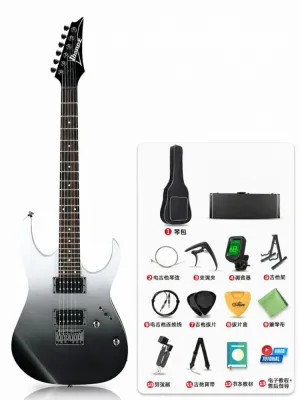
Prices are valid at publication and may change. Please refer to the product page for the latest price.
Fretwork quality is another vital element of playability. The metal frets along the neck must be level and smooth. Rough or protruding fret edges can scratch your hands during movement, while uneven frets can cause dead notes where certain pitches fail to ring out entirely.
Hardware stability ensures that your practice sessions are spent playing rather than constantly tuning. Reliable tuning machines must hold string tension smoothly without slipping. The bridge system, which anchors the strings to the body, should maintain stable intonation so that chords sound in tune all the way up the neck.
Evaluating the value proposition means looking at the total cost in S$ and comparing it to the individual components. A budget-friendly bundle is only a true value if the guitar and amplifier do not require immediate replacement or costly professional repairs. Balancing upfront affordability with the long-term utility of the gear ensures your money is well spent.
Essential Components to Evaluate in a Guitar Bundle
The amplifier is the voice of your electric guitar, and its specifications directly impact how and when you can practice. For those living in Singapore’s HDB flats or close-proximity apartments, a practice amplifier must feature a dedicated headphone jack. This allows for silent practice at any hour of the day or night without disturbing family members or neighbors.

Wattage is another key consideration for home use. A low-wattage amplifier, typically between 10 and 20 watts, provides more than enough volume for a bedroom setup. Look for models that include built-in digital effects or multiple channels, such as a clean channel and an overdrive channel, which allow you to explore different musical styles without needing external pedals.
Accessory quality in a bundle can vary significantly, so it is important to inspect each item. The included gig bag should have sufficient padding to protect the instrument from minor bumps and humidity changes during transport. A flimsy, unpadded bag offers little protection and may wear out quickly at the seams.
The instrument cable connects your guitar to the amplifier and must have sturdy, molded connectors to prevent unwanted crackling or signal loss. Similarly, the guitar strap should feature secure end-pieces that will not easily slip off the guitar’s strap buttons, preventing accidental drops. Picks of varying thicknesses are also helpful, allowing you to experiment with different playing dynamics.
Hidden costs can quickly inflate your initial budget if they are not accounted for upfront. Many beginner sets do not include a guitar stand, which is essential for keeping your instrument safe and accessible when not in use. Leaving a guitar leaning against a wall increases the risk of it falling and sustaining structural damage.
Other accessories, such as a digital clip-on tuner, a capo for changing keys, and a spare set of strings, are often missing from basic bundles. Strings can break unexpectedly, especially when you are learning to tune, so having a replacement set on hand is highly recommended. Factor these potential purchases into your overall budget when comparing different bundle options.
Trusted Brand Categories for Beginner Electric Guitars
When searching for a reliable electric guitar set, focusing on established brand categories is often more effective than chasing specific, fast-changing model numbers. Manufacturers design their entry-level series to offer consistent quality control, ensuring that even their most affordable instruments meet basic performance standards.
Different brand families cater to distinct musical styles, aesthetic preferences, and physical comfort levels. Rather than looking for a single universal winner, you should match the characteristics of these brand categories to your personal goals. Understanding the distinction between heritage-focused lines and modern, versatility-oriented brands will help you narrow down your choices.
Established Entry-Level Lines from Heritage Brands
Heritage brands are famous for creating the iconic guitar shapes that have shaped the history of popular music. Their entry-level sub-brands offer affordable versions of these classic designs, allowing beginners to play instruments that look and sound like those used by their favorite artists.
These lines are particularly well-suited for players who are drawn to classic rock, blues, jazz, or traditional pop. For example, sub-brands associated with Fender typically offer instruments with single-coil pickups, which produce a bright, clear, and twangy tone. Sub-brands linked to Gibson often feature humbucking pickups, which deliver a warmer, thicker, and heavier sound that handles distortion exceptionally well.
When exploring these heritage-inspired options, it is crucial to verify the specific series tier within the brand’s lineup. Manufacturers often produce multiple levels of entry-level instruments, and the materials used can vary significantly. Lower-tier models may use lighter, alternative woods and basic hardware, while slightly higher-tier models within the same family offer improved pickup clarity, better tuning stability, and more refined fretwork.
Inspect the hardware specifications closely before purchasing. Look for models with sealed die-cast tuning machines rather than open-gear tuners, as sealed tuners generally offer smoother operation and better tuning retention. Additionally, check whether the neck is bolted on or set into the body, as this construction detail influences both the sustain of the instrument and the ease of future neck adjustments.
Value and Versatility Focused Brands
Some manufacturers focus heavily on modern playability, ergonomic designs, and consistent manufacturing precision. These brands are highly regarded for their strict quality control, ensuring that even their entry-level instruments have smooth fret edges, straight necks, and reliable electronics right out of the box.
These versatile instruments are ideal for beginners who want to explore a wide range of musical genres, from clean pop melodies to high-gain modern metal. They often feature slim, fast neck profiles that are highly comfortable for smaller hands or players who prefer a modern feel. Many of these guitars utilize a pickup configuration that combines both single-coils and humbuckers, offering a vast palette of tonal options in a single instrument.
While the guitars themselves from these versatility-focused brands are often outstanding, you must carefully review the quality of the included amplifier in the bundle. Some packages pair an excellent, highly playable guitar with a very basic, low-wattage practice amplifier that lacks tone-shaping controls or built-in effects.
If the included amplifier is too limited, it can hold back your progress by making it difficult to achieve the sounds you want to hear. In such cases, it may be worth checking if the brand offers an upgraded bundle option with a more versatile modeling amplifier, or considering whether purchasing a slightly better amplifier separately would better serve your long-term learning needs.
Verifying Authenticity and Local Support in Singapore
Securing a reliable electric guitar set involves more than just selecting the right brand; it also requires choosing the right purchasing channel. Buying from authorized local distributors and established physical music stores in Singapore offers several critical advantages that online-only marketplaces cannot match.
Visiting a physical store allows you to perform hands-on testing before committing to a purchase. You can hold the guitar to check its weight, feel the neck profile in your hand, and listen to the amplifier’s tone in person. Furthermore, reputable local shops typically inspect and set up instruments before they go on display, ensuring the action height and intonation are properly adjusted.
Local support is invaluable when it comes to warranty claims and ongoing maintenance. An authorized dealer provides an official manufacturer’s warranty, giving you peace of mind if any electronic or structural defects arise during your first year of playing. If you experience issues like a loose input jack or a warping neck due to Singapore’s humid climate, a local service center can quickly address these problems.
In contrast, purchasing from unverified sellers on general e-commerce platforms carries significant risks. These listings may feature counterfeit hardware, B-stock items with hidden defects, or instruments that have been stored in poor environmental conditions. Furthermore, products bought through unauthorized channels rarely come with a valid local warranty, leaving you responsible for any repair costs.
To protect your investment, always check the manufacturer’s official regional website for a list of authorized dealers in Singapore before making your purchase. Many major brands have dedicated local distributors with physical showrooms where you can browse their full inventory safely. Taking this extra step ensures that your first electric guitar set is genuine, properly set up, and fully supported by local professionals.
Frequently Asked Questions (FAQ)
Is it better to buy an electric guitar set or purchase components separately?
Buying an electric guitar set is highly recommended for absolute beginners, parents buying gifts, and anyone working with a tight budget. Bundles offer unmatched convenience, as they compile all the necessary gear into a single, cost-effective package, saving you the time and effort of researching individual components.
However, purchasing components separately is the better path if you have specific tonal preferences, a larger budget, or plan to play long-term. Selecting your guitar and amplifier individually allows you to invest in a higher-quality modeling amplifier or a guitar with specific hardware features. This customized approach ensures that your gear remains relevant as your skills advance, reducing the need for early upgrades.
What amplifier wattage is suitable for practicing at home in Singapore?
For home practice in Singapore’s residential areas, such as HDB flats and condominiums, an amplifier rated between 10 and 20 watts is ideal. This wattage range provides plenty of volume for a bedroom setting without producing sound levels that will penetrate walls and disturb your neighbors.
When selecting an amplifier, prioritize models that feature a dedicated headphone output and a master volume control. A headphone jack is essential for late-night practice sessions, allowing you to play silently while still hearing the full character of your guitar. Additionally, look for amplifiers with built-in overdrive or digital modeling, which allow you to achieve rich, distorted tones at low, neighbor-friendly volumes.

Community discussion
Share your experience or ask a question. Comments are reviewed before publication.