
Selecting the right electronic drum kit requires balancing physical playability, sound quality, and long-term durability against your budget. While Roland, Yamaha, and Alesis dominate the modern e-drum market, each brand approaches instrument design with a distinct philosophy. Your decision ultimately depends on whether you prioritize road-ready durability, authentic acoustic-style physical response, or maximum features for your budget. By understanding how these manufacturers structure their lineups, you can identify the kit that matches your current skill level and future musical goals.
Choosing an electronic drum kit is not just about buying a set of pads; it is about investing in a platform that supports your growth as a musician. Whether you are a beginner practicing rudiments in a residential apartment, a session musician recording in a home studio, or a live performer gigging across local venues, the way a kit handles dynamics, connectivity, and physical wear will shape your playing experience. Evaluating these brands across key performance metrics ensures you invest in a system that keeps you motivated to play.
Brand Positioning and Target Audience Overview
Roland has long held a reputation as the industry standard for electronic percussion, particularly among touring professionals and high-end studios. The brand is widely recognized for its robust build quality, highly responsive triggering systems, and modules designed to withstand the physical demands of live performances. Roland kits generally target serious students, gigging drummers, and production environments where reliability and resale value are paramount. Their development focus often centers on advanced triggering algorithms and physical durability, ensuring that their mid-to-high-end kits perform consistently under heavy daily use.
Products mentioned in this guide
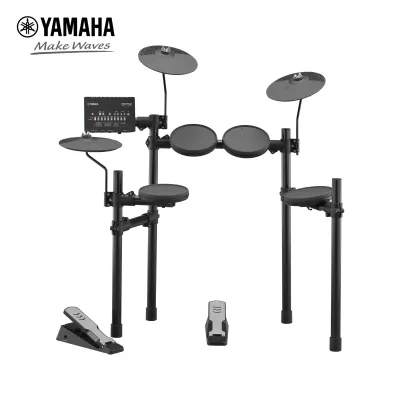
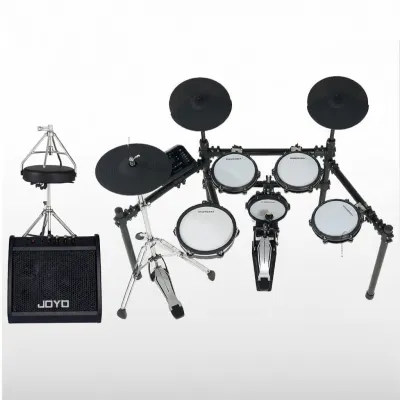
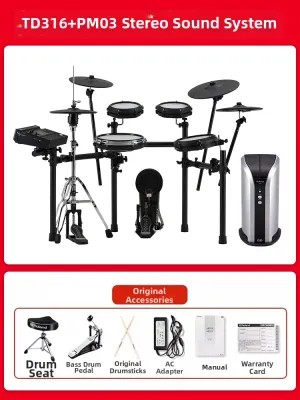
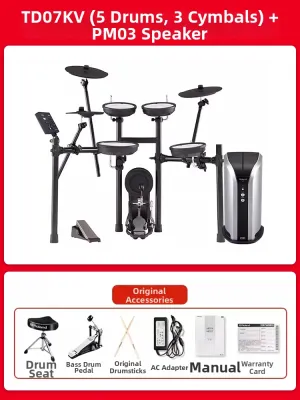
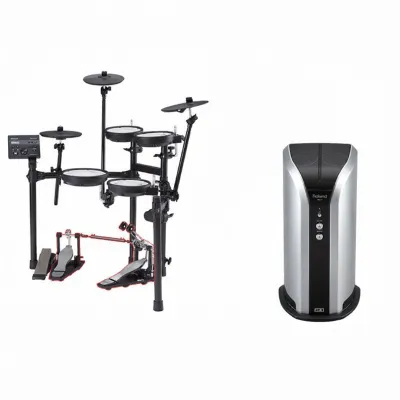
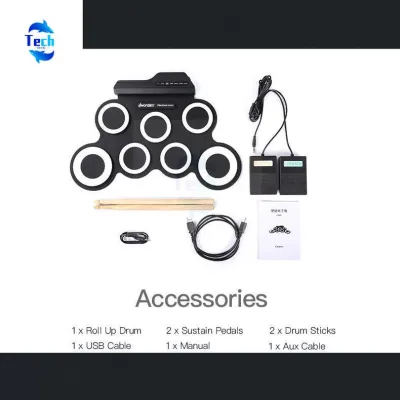
Prices are valid at publication and may change. Please refer to the product page for the latest price.
Yamaha approaches electronic drums from its perspective as one of the world’s largest manufacturers of acoustic musical instruments. This heritage is reflected in their focus on replicating the physical feedback of acoustic drums and providing highly detailed, natural sound samples. Yamaha kits often appeal to traditional drummers who transition between acoustic and electronic setups, as well as studio engineers who value precise, pre-mixed drum samples and intuitive recording workflows. Their design philosophy emphasizes organic stick rebound and highly accurate acoustic drum modeling, making their kits a favorite for players who prioritize instrumental authenticity.
Alesis has carved out a significant share of the market by focusing on accessibility and high feature-to-cost ratios. By offering multi-zone mesh pads, large cymbal configurations, and feature-rich modules at highly competitive price points, Alesis has become a go-to choice for beginners, casual hobbyists, and players looking for a secondary practice kit. Their product line allows entry-level drummers to experience advanced configurations, such as multi-cymbal setups and large snare pads, without a substantial initial financial commitment. This focus on value makes them highly popular for those exploring the instrument for the first time.
Evaluating Sound Modules and Audio Realism
The drum module, often called the brain, is the core of any electronic kit, determining both the realism of the sound and the overall playing experience. When comparing modules, start by checking the technical specifications for polyphony limits and the number of built-in kit presets. Higher polyphony ensures that rapid drum rolls and sustaining cymbal rings do not cut off abruptly, while a diverse selection of presets allows you to switch seamlessly between jazz, rock, and electronic genres. You should also look at the editing depth the module offers, such as the ability to adjust virtual drum dampening, tuning, and room acoustics.

Sampling authenticity is another critical factor to evaluate. Some modules rely on direct, high-resolution acoustic samples, capturing the natural decay and room ambience of real drums. Others utilize physical modeling technology, which mathematically reconstructs the sound of a drum strike in real time based on how hard and where you hit the pad. If you plan to use your kit for home recording or virtual instrument integration, verify the module’s USB and MIDI connectivity options. A module that supports multi-channel USB audio allows you to send individual drum tracks directly to your Digital Audio Workstation without needing a multi-input audio interface, simplifying your recording setup significantly.
For players who prefer using external Virtual Studio Instruments like Superior Drummer or EZdrummer, the internal sounds of the module become secondary to its triggering latency and MIDI capabilities. Ensure the module you choose has low-latency MIDI transmission over USB to prevent noticeable delays between your physical strike and the sound output from your computer. Conversely, if your primary goal is silent practice or quick plug-and-play sessions, prioritize modules with robust auxiliary inputs, Bluetooth connectivity for backing tracks, and high-quality headphone amplifiers that deliver a full, dynamic soundstage. Checking these specifications beforehand prevents the frustration of outgrowing a module’s connectivity limits.
Pad Response, Triggering, and Hardware Build
The physical feel of an electronic kit determines how comfortable it is to play for extended periods and how well your skills translate to an acoustic drum set. Mesh heads are the industry standard for quiet practice and realistic rebound, but not all mesh pads are engineered equally. When evaluating kits, check if the mesh heads feature adjustable tension systems, which allow you to tighten or loosen the head using a standard drum key to match the rebound of a snare or floor tom. Some brands also offer specialized silicone pads, which provide a distinct, slightly firmer rebound profile that some players find closer to the feel of a coated acoustic drumhead.
Triggering accuracy is what translates your physical dynamics into digital sound. Look for dual-zone or multi-zone pads that can distinguish between a head strike and a rimshot, as well as positional sensing technologies that alter the tone depending on how close you strike to the center of the pad. The hi-hat controller is often the most challenging component to replicate; entry-level kits typically use a standalone physical pedal, while advanced kits feature a motion-sensor clutch mounted on a standard acoustic hi-hat stand. If realistic hi-hat playability is crucial for your style, verify whether the kit utilizes a magnetic or optical continuous controller to capture subtle open, half-open, and closed transitions.
Cymbal pads should offer multiple zones—such as edge, bow, and bell triggers—along with a reliable choke function that mutes the sound when you grab the edge. Beyond the pads, the structural stability of the drum rack is vital, especially for heavy hitters. Assess the rack material, footprint, and overall weight based on the manufacturer’s specifications. Heavy-duty steel or aluminum racks with robust clamps prevent the pads from slipping or sagging during intense play, making them highly suitable for live stages, whereas lightweight, folding racks are ideal for compact home setups where space is limited. A sturdy rack also reduces physical crosstalk, which occurs when a strike on one pad accidentally triggers a neighboring pad due to frame vibrations.
Expandability, Ecosystem, and Long-Term Value
An electronic drum kit is a long-term investment, and your needs will likely evolve as your skills progress. Before committing to a brand, verify the expandability of the drum module. Check how many extra trigger inputs are available on the back of the module, which determines whether you can add an extra crash cymbal, an effects pad, or a second floor tom down the road. Additionally, confirm if the module’s trigger settings can be calibrated to accept larger pads or double kick pedals, as some entry-level modules struggle to register rapid double-bass patterns accurately.
The software ecosystem surrounding a brand can significantly enhance your learning and practice routines. Many manufacturers offer proprietary coaching applications, interactive lessons, and access to online sound libraries where you can download new kits or artist presets. Evaluating these digital tools can help you determine which brand provides the most engaging educational support for your skill level. Some platforms offer gamified practice modes that track your timing accuracy, which is incredibly valuable for beginners trying to build a solid internal clock.
Finally, consider the long-term value and market demand for each brand. Kits from established brands with a reputation for durability often retain a higher percentage of their original retail value on the secondary market. If you anticipate upgrading to a professional-grade kit in a few years, choosing a brand with strong resale demand can make the transition much more affordable when it comes time to sell your starter setup. Researching the local secondhand market can give you a clear indication of which brands hold their value best over time.
How to Choose: A Conditional Decision Matrix
To make an informed decision, align your choice with your specific playing environment, budget, and performance goals. Choose Roland if your primary requirements are proven live performance reliability, robust hardware durability, and seamless integration with professional VST software. Their kits are engineered to withstand frequent transport and intense playing, making them a reliable choice for gigging musicians and serious students who want an investment that lasts for years.
Choose Yamaha if you prioritize an authentic acoustic physical response, highly detailed sound shaping, and efficient studio recording workflows. Their focus on natural acoustic samples and specialized pad materials makes them excellent for traditional drummers who want a familiar feel and studio-ready sounds right out of the box without extensive editing.
Choose Alesis if you are a beginner, hobbyist, or casual player seeking the maximum number of features, large mesh pads, and versatile connectivity options on a strict budget. Their kits offer an accessible entry point to drumming, providing a complete setup with advanced configurations that would cost significantly more from other brands.
However, neither of these brands may fit your needs if you require a highly specialized acoustic-to-electronic conversion kit or require boutique, ultra-low-latency modules designed for custom trigger setups. Before purchasing, always verify your local space constraints and apartment noise restrictions. While electronic pads are significantly quieter than acoustic drums, the physical impact of the kick pedal and stick strikes can still transmit structural vibrations through floors, which may require additional isolation solutions regardless of the brand you choose. Taking the time to measure your dedicated practice space and testing kits in person will ensure you make the right choice for your home.
Frequently Asked Questions (FAQ)
Can I mix third-party pads and cymbals with these modules?
Yes, but compatibility is not universal and requires careful verification of trigger settings and connector types. Most electronic drum pads use standard 1/4-inch TRS or TS cables, but different brands utilize proprietary wiring configurations and resistance levels for their triggers. For example, a dual-zone cymbal from one brand may only function as a single-zone cymbal when connected to a module from another brand. Before purchasing third-party hardware, check the module’s manual for compatible trigger types and be prepared to manually adjust the trigger sensitivity, threshold, and crosstalk settings in the module’s utility menu to achieve clean, double-trigger-free response.
What additional gear is needed to play e-drums quietly in an apartment?
While electronic drums eliminate the loud acoustic blast of traditional drums, the physical thud of the kick pedal and the tapping of sticks on plastic cymbals can easily travel through floors and walls as low-frequency structural noise. To minimize complaints from neighbors, consider investing in a noise isolation platform or a DIY tennis ball riser, which decouples the drum rack and pedals from the floor. Using low-noise kick trigger pedals that do not use a physical beater, along with heavy-duty rubber drum mats, can also significantly reduce impact noise. Remember that the brand of the e-drum kit itself does not solve structural vibration; physical isolation accessories are essential for true silent practice in shared residential spaces.

Community discussion
Share your experience or ask a question. Comments are reviewed before publication.