
Choosing between a round and a saddle drum chair (often referred to as a drum throne) is not a matter of finding a universal winner, but of matching the seat’s physical geometry to your body mechanics, kit layout, and pedal technique. A round seat offers classic, unhindered 360-degree rotation and a compact footprint, making it a favorite for multi-instrumentalists and those with tight setups. Conversely, a saddle-style seat mimics a motorcycle saddle, providing contoured support that locks the pelvis into a stable position, which can reduce lower back fatigue during extended sessions. Understanding how these shapes interact with your legs, spine, and pedals is the first step toward finding the perfect foundation for your drumming.
How Seat Shape Influences Posture and Comfort
The pelvis is the foundation of your sitting posture. When you sit on a drum chair, your pelvis should remain relatively neutral, preventing the lower spine from slouching or over-extending. The shape of your seat directly influences this alignment by dictating how your weight is distributed across your sit bones.
Round seats distribute weight evenly across a circular plane, but they do not offer specific channels for the thighs. This means your thighs must rest over the edge of the cushion, which can sometimes create pressure points. If the foam is too soft or the edge is too sharp, it can restrict blood flow and limit the range of motion of your hip flexors.
Products mentioned in this guide
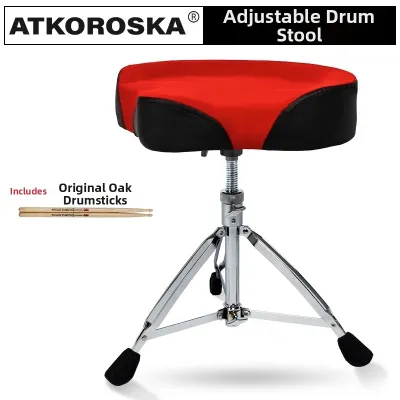
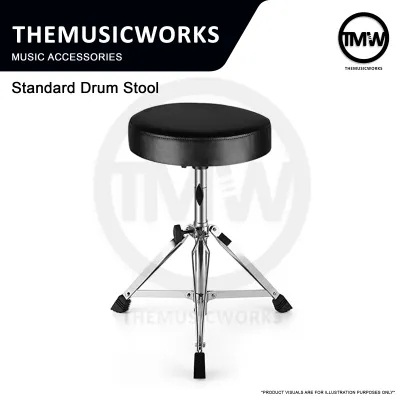
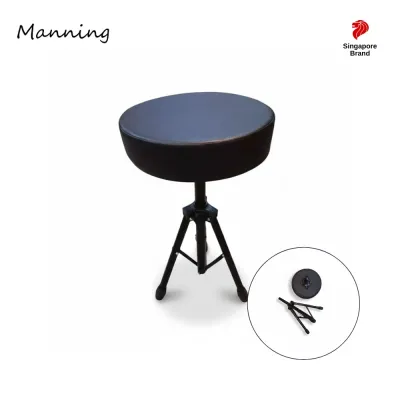
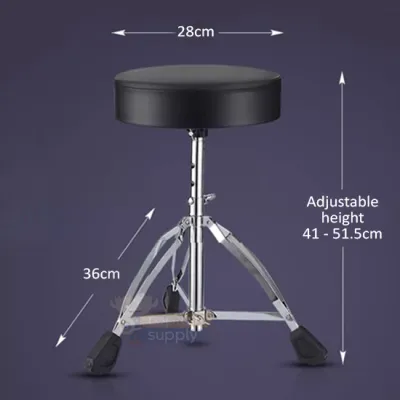
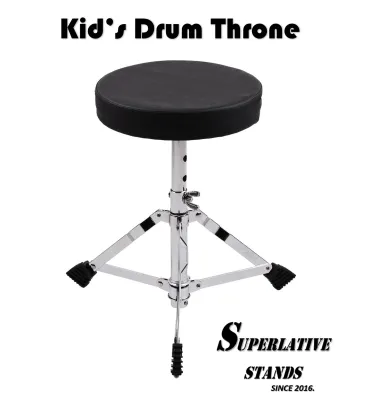
Prices are valid at publication and may change. Please refer to the product page for the latest price.
Saddle seats feature cutouts or contours that support the sit bones while allowing the thighs to hang naturally. This design encourages a slight forward pelvic tilt, which helps maintain the natural S-curve of your spine. By reducing pressure on the back of the thighs, a saddle seat can improve circulation and make pedal actuation feel more effortless.
Round Drum Chairs: Ideal for Mobility and Compact Kits
Round drum chairs are the traditional standard for a reason. Their symmetrical design allows you to sit on the seat from any angle without needing to align the cushion first. This makes them incredibly convenient for quick setups and tear-downs, especially during gig transitions.

For drummers who utilize a wide, multi-directional setup, round seats offer unmatched freedom of movement. If you frequently turn to play a side snare, auxiliary percussion, or a secondary electronic pad, the circular shape offers zero resistance to lateral rotation. Your body can pivot naturally without the seat edge catching on your thighs.
In tight spaces, such as a cozy home studio or a compact apartment corner, a round drum chair takes up less physical and visual space. It is easy to tuck away under the kit when not in use. However, because there is no contour to guide your thighs, some players find themselves sliding forward on a round seat during intense double-kick patterns, which can lead to slouching over long sessions.
Saddle Drum Chairs: Ideal for Ergonomics and Wide Stances
The motorcycle-style contour of a saddle seat is designed to support the pelvis from the sides and rear. This shape naturally cradles your body, providing a secure feeling of being “in” the seat rather than just sitting on top of it. This added stability is highly beneficial for maintaining consistent posture over hours of practice.
For drummers who utilize double bass pedals or prefer a wide, grounded stance, the saddle shape is highly advantageous. The thigh cutouts eliminate friction against the seat edge, allowing your legs to move vertically with minimal resistance. This freedom of movement can enhance speed and reduce fatigue in the hip flexors and quadriceps.
However, the very shape that provides stability can also feel restrictive to some players. If you like to shift your seating position frequently or need to twist your torso to reach extreme angles on a wide kit, the raised back and contoured sides of a saddle seat can feel like they are locking you in place. They also tend to have a larger footprint, which may crowd smaller drum setups.
Key Features to Verify Before Purchasing
When comparing drum chairs, the shape is only one part of the equation. You must also verify the physical features and build quality to ensure the chair can withstand the rigors of regular playing. Checking these specifications on product labels or user manuals will help you make an informed decision.
First, evaluate the height adjustment mechanism. Spindle systems use a threaded rod with a locking collar, offering rock-solid stability and precise height control, though they require manual spinning to adjust. Hydraulic systems use a gas lift for effortless, on-the-fly adjustments, but they can develop slight vertical play over time and may feel bouncy to some players.
Next, consider the padding density and cover materials. Look for high-density foam that supports your weight without bottoming out. For cover materials, vinyl is durable and easy to clean, but in warm, humid climates, it can trap heat and sweat. Cloth or mesh inserts offer better breathability and grip, preventing you from sliding around during intense sessions.
Finally, check the base stability. Double-braced legs are essential for preventing wobbling, especially for heavier players or energetic performers. Large, non-slip rubber feet are also crucial for keeping the chair anchored to the floor or drum rug.
| Feature | Round Seat Considerations | Saddle Seat Considerations | Verification Check |
|---|---|---|---|
| Height Adjustment | Spindle is highly stable; hydraulic offers quick adjustments. | Spindle is preferred for locking in a precise, non-slip angle. | Check for a heavy-duty locking collar or memory lock. |
| Padding & Cover | Symmetrical wear; vinyl is common but can be slippery. | Contoured foam must be firm; mesh inserts prevent sliding. | Verify foam density and check for breathable fabric options. |
| Base Stability | Smaller footprint; easy to position in tight spaces. | Wider base footprint; essential for balancing wide leg stances. | Look for double-braced legs and oversized rubber feet. |
How to Choose Based on Your Playing Style
To make your final decision, align the features of each seat shape with your specific playing habits, physical needs, and budget.
Choose a round seat if you prioritize 360-degree mobility, play a compact kit (especially in space-constrained home setups), or prefer a traditional feel where you can sit on any part of the cushion. It is also the practical choice if you frequently share your kit with other drummers who have different seating preferences.
Choose a saddle seat if you use double bass pedals, prefer a wide stance, or experience lower back fatigue during long practice sessions. The ergonomic support and thigh cutouts will help you maintain proper spinal alignment and reduce strain on your legs.
Before purchasing, verify if you have specific physical conditions, such as hip or lower back issues, as a saddle seat’s structured support is often highly recommended by physical therapists for these concerns. If you play a hybrid electronic/acoustic setup, consider how much you need to turn to access different modules, as a round seat may offer smoother transitions.
Finally, evaluate the price-to-value based on your S$ budget. While entry-level drum chairs may seem appealing, investing in a high-quality spindle mechanism and durable padding will save you money in the long run by preventing premature wear and protecting your physical health.
Frequently Asked Questions (FAQ)
Does a drum chair shape affect double bass pedal technique?
Yes, the shape of your drum chair directly impacts your double bass pedal technique. A saddle seat features thigh cutouts that eliminate friction against the front edge of the cushion, allowing your legs to move up and down freely. This reduces resistance in your hip flexors, making it easier to maintain speed and control during rapid double-kick patterns. A round seat can sometimes press against the back of your thighs, which may restrict your range of motion or cause discomfort during extended double bass playing.
How do I know if my current drum throne is the wrong height?
Your drum throne is likely at the wrong height if you experience lower back pain, hip strain, or difficulty maintaining balance while playing. An easy observable check is to sit on your throne with your feet on the pedals; your thighs should slope slightly downward, creating an angle of roughly 90 to 110 degrees at your knees. If your knees are higher than your hips, the seat is too low, which puts excessive strain on your lower back. If your feet cannot rest flat on the pedals without stretching, the seat is too high, which compromises your stability.
Community discussion
Share your experience or ask a question. Comments are reviewed before publication.