
Selecting the right practice pad drum is one of the most critical decisions a drummer can make to support their technical development. Whether you are a beginner learning your first basic rudiments or an experienced gigging drummer maintaining your chops on the road, the surface you strike directly shapes your technique, muscle memory, and physical comfort. The three primary materials dominating the market today—rubber, mesh, and mylar—each offer a fundamentally different playing experience. Choosing between them is not about finding a single, universally superior option, but rather identifying the surface that aligns with your specific living environment, technical goals, and physical tolerance.
Every drummer faces unique constraints, from apartment noise regulations to wrist fatigue during long practice sessions. By understanding how these three materials handle stick rebound, impact shock, acoustic volume, and wear over time, you can select a tool that makes your practice routines both highly productive and enjoyable.
Quick Answer: Which Practice Pad Surface Should You Choose?
If you need to make a quick decision, your choice should be guided by your primary practice constraint and technical goals. For drummers who prioritize building raw wrist strength, finger control, and stick speed, a classic rubber practice pad drum is the industry standard. It provides a firm, high-rebound surface that closely mimics the response of a tightly tuned acoustic snare drum, making it highly effective for traditional rudiment practice.
Products mentioned in this guide
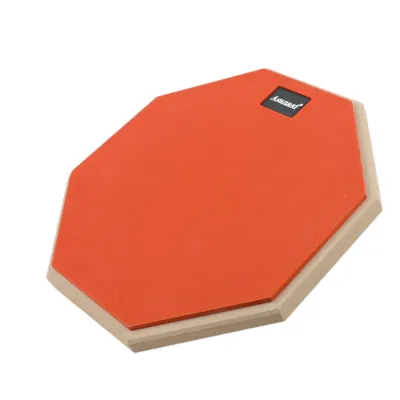
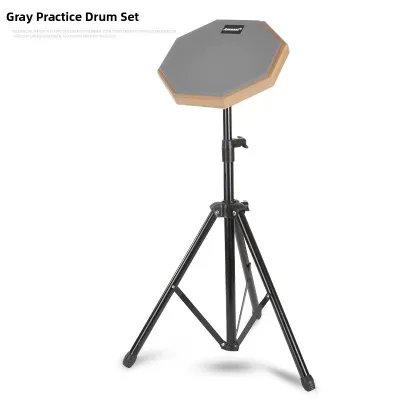
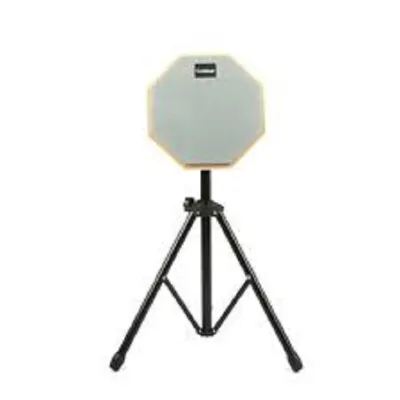
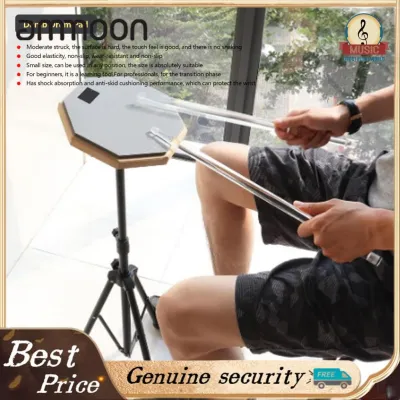
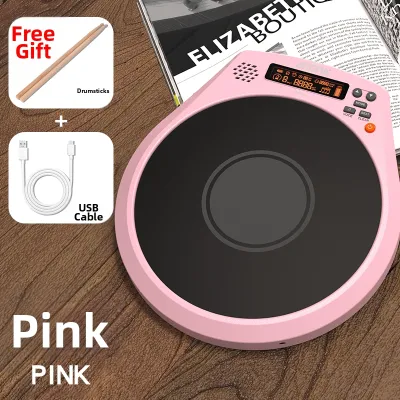
Prices are valid at publication and may change. Please refer to the product page for the latest price.
However, if you live in a dense residential space, such as an HDB flat or condominium in Singapore, where noise is a critical concern, a mesh pad is the clear winner. Mesh dramatically dampens the acoustic impact of your sticks while offering adjustable tension to customize the bounce. For those who refuse to compromise on the authentic feel, snap, and rimshot articulation of a real acoustic drumhead, a mylar pad is unmatched, though it comes with a significantly louder acoustic footprint.
Ultimately, the best practice pad drum surface depends entirely on your living environment, physical comfort, and technical goals. Many drummers even find value in owning multiple types of pads to suit different times of the day or specific practice routines.
Feel and Rebound: How Each Surface Responds to Your Sticks
The tactile feedback of a practice surface is the foundation of your muscle memory. When a drumstick strikes a surface, the energy is either returned to the stick as rebound or absorbed by the material. How a pad handles this energy determines how hard your hands must work to control the stick, directly impacting your speed, control, and joint health.

Rubber Pads: Firm, Consistent, and Acoustic-Like
Vulcanized rubber is famous for its lively, high-rebound response. When you play on a rubber practice pad drum, the surface compresses minimally, instantly throwing the stick back up toward your hand. This consistent, unforgiving bounce forces you to develop a clean fulcrum and precise finger control, as any technical errors are immediately visible in the stick’s trajectory. This high tension closely mimics a high-tension marching snare or a tightly tuned jazz snare.
While this is excellent for building speed and endurance, the rigid nature of vulcanized rubber means that much of the strike’s impact energy travels back up the drumstick and into your wrists and elbows. During extended practice sessions, this shock can lead to joint fatigue or strain if your technique is not perfectly relaxed. Drummers practicing heavy accent patterns or using heavy sticks should be mindful of this physical feedback.
Mesh Pads: Soft, Adjustable, and Forgiving
Woven mesh heads offer a completely different physical sensation, characterized by a soft, impact-absorbing feel. Because the woven fibers flex and stretch upon contact, mesh pads absorb a significant portion of the stick’s downward kinetic energy. This cushion-like quality is incredibly forgiving on the joints, making mesh the ideal choice for drummers recovering from wrist injuries or those who engage in long, multi-hour practice routines.
Furthermore, many high-quality mesh practice pads feature integrated tuning lugs around the rim. This allows you to tighten or loosen the mesh head with a standard drum key, mimicking the lower tension of a floor tom or the tight snap of a snare. However, because mesh lacks the solid, immediate rebound of rubber, the overall playing feel leans closer to an electronic drum kit than a traditional acoustic drum. It requires a slightly different finger technique to maintain rapid double-stroke rolls.
Mylar Pads: Tight, Snappy, and Authentic
Mylar, which is a specialized polyester film, is the exact material used to manufacture standard acoustic drumheads. Consequently, playing on a mylar practice pad drum provides the most authentic, snappy response available. The stick articulation is crisp, and the rebound feels identical to striking a real drum because you are, in fact, striking a real drumhead stretched over a small frame.
This surface excels at teaching drummers how to pull a tone out of the instrument, allowing for realistic rimshots, ghost notes, and subtle accent patterns. The trade-off is that mylar pads generally feature a fixed tension or require specific tensioning mechanisms that are less adjustable than mesh, meaning you are locked into a highly specific, realistic acoustic snare feel. It does not offer the joint-saving softness of mesh or the exaggerated bounce of rubber, demanding precise, realistic stick control from the player.
Noise Reduction: Which Pad is Best for Quiet Practice?
For many drummers, the acoustic volume of their practice setup is the single most important factor, especially when practicing late at night or living in close proximity to others. In Singapore’s dense housing landscapes, such as HDB apartments and condominiums, the sharp “clack” of a drumstick can easily penetrate walls and floors, leading to unwanted noise complaints.
Mesh pads are the undisputed champions of noise reduction. Because the woven mesh structure allows air to pass freely through the head rather than compressing it, the physical impact of the stick is muffled to a whisper. The acoustic footprint of a mesh pad is low enough that you can comfortably practice in the same room as someone watching television without causing a distraction. It is the closest you can get to silent practice without sacrificing a realistic playing surface.
Rubber pads occupy the middle ground. While rubber eliminates the loud, resonant ring of an acoustic drum shell, the impact of a wooden stick on dense vulcanized rubber still produces a distinct, sharp tapping sound. This high-frequency “clack” can easily travel through closed doors and thin apartment walls. Furthermore, the downward force of striking a heavy rubber pad creates low-frequency vibrations that travel down the stand and through the floorboards. To mitigate this in an apartment, drummers often need to place an acoustic isolation board, a thick rug, or dampening foam pads underneath their practice stand.
Mylar pads are the loudest of the three options. Because mylar is a thin, resonant film, striking it produces a sharp, high-pitched attack that sounds very similar to a real snare drum, albeit without the deep resonance of a full drum shell. This bright, cutting sound makes mylar pads poorly suited for shared living spaces or late-night practice, unless you have access to a dedicated, soundproofed room or a detached house. If you choose a mylar pad, you must accept that your practice sessions will be highly audible to anyone nearby.
Durability, Maintenance, and Stick Wear
Investing in a practice pad drum means considering its long-term durability and how it interacts with your other gear, particularly your drumsticks. Over months and years of daily use, different materials wear down in distinct ways, affecting both your wallet and your practice consistency.
Rubber pads are legendary for their near-indestructible nature. A high-quality vulcanized rubber pad can withstand years of heavy, daily use without showing signs of wear, pitting, or degradation. They require virtually zero maintenance, needing only an occasional wipe with a damp cloth to remove dust and stick residue. However, the high-friction, abrasive nature of rubber can accelerate the wear on your drumsticks. Wooden stick tips, especially teardrop or barrel-shaped wood tips, will wear down and chip faster on rubber than on other surfaces, which can eventually lead to splinters.
Mesh pads are exceptionally gentle on your drumsticks, as the soft, woven surface creates almost no abrasive friction. However, the mesh material itself is more delicate than rubber. Over years of heavy hitting, the woven fibers can eventually stretch, sag, or fray in the center, particularly if you use damaged drumsticks with sharp or splintered tips. While many mesh pads allow you to replace the head easily, this introduces a recurring maintenance cost that you do not experience with rubber. Keeping the mesh head at the correct tension is also necessary to prevent the material from sagging over time.
Mylar pads offer moderate durability but require the most care. Just like a real drumhead on an acoustic kit, a mylar pad can dent, pit, or even puncture if struck with excessive force, incorrect stick angles, or splintered wooden tips. To maintain an even rebound and prevent warping, you must periodically inspect the surface and ensure the tension is evenly distributed across the head. If the mylar head becomes heavily dented, its rebound consistency will suffer, requiring you to replace the head to restore its original playing characteristics.
At-a-Glance Comparison: Rubber vs Mesh vs Mylar
To help you quickly evaluate your options, the table below summarizes how each material performs across key playing and practical dimensions.
| Surface Material | Rebound Feel | Noise Level | Stick Wear | Adjustability | Best Use Case |
|---|---|---|---|---|---|
| Rubber | High & Firm | Moderate | Moderate to High | Low (Fixed) | Building wrist strength, finger control, and portability |
| Mesh | Soft & Absorbent | Lowest | Very Low | High (Tuning Lugs) | Quiet apartment practice and joint-friendly sessions |
| Mylar | Snappy & Realistic | Highest | Low | Moderate | Authentic acoustic snare replication and articulation |
Final Verdict: How to Choose Your Ideal Practice Pad Drum
To choose your ideal practice pad drum, evaluate your personal practice environment and technical goals against these three distinct profiles.
You should choose a rubber pad if your primary goal is to build physical wrist strength, endurance, and finger control through repetitive rudiment practice. It is the perfect choice for drummers who want a durable, low-maintenance tool and have a practice space where a moderate, sharp tapping sound is acceptable.
You should choose a mesh pad if you live in an apartment, HDB flat, or shared housing where keeping noise to an absolute minimum is your top priority. Mesh is also the ideal choice if you suffer from joint pain, prefer a softer and more forgiving impact, or want the ability to adjust the head tension to match different drum surfaces.
You should choose a mylar pad if you demand the absolute highest level of acoustic realism, prioritize precise stick articulation and rimshot practice over silence, and want a surface that responds exactly like a real acoustic drumhead.
For drummers who find themselves torn between these options, hybrid or dual-sided practice pads offer an excellent alternative. Many manufacturers design dual-sided pads featuring a firm, high-rebound rubber surface on one side and a softer, quieter mesh or neoprene surface on the reverse. This design allows you to easily flip the pad to suit your practice goals and noise constraints throughout the day, giving you the best of both worlds in a single, highly portable package.
Frequently Asked Questions (FAQ)
Can I use my regular acoustic drumsticks on all practice pads?
Yes, standard wooden or nylon-tip drumsticks work perfectly on all three practice surfaces. However, before practicing on mesh or mylar, always inspect your stick tips for any splinters, sharp chips, or cracks. Damaged wooden tips can easily snag, fray, or puncture these delicate surfaces, so it is best to keep a dedicated, smooth pair of sticks specifically for your practice pad.
Do I need a stand for my practice pad?
While you can place a practice pad on your lap or a desk for quick, casual warm-ups, mounting your pad on a dedicated stand or a standard snare drum stand is highly recommended. A stand allows you to adjust the pad to the correct height and angle, promoting proper posture and replicating the physical setup of a real drum kit. This prevents long-term back, neck, and wrist strain associated with hunching over a desk.
Are dual-sided practice pads worth the investment?
Dual-sided practice pads are highly worth the investment for drummers who need versatility. By offering a firm rubber surface on one side for high-rebound technical workouts and a softer, quieter material like mesh or neoprene on the other side for late-night practice, these hybrid pads provide the benefits of multiple surfaces in a single, portable unit.
Community discussion
Share your experience or ask a question. Comments are reviewed before publication.