
Rubber pads offer a firm, high-rebound surface ideal for building wrist strength, while silicone pads provide a softer, more realistic acoustic feel with minimal noise. Mesh pads feature adjustable tension to mimic specific drum heads and integrate well with electronic triggers. Choosing the right drumming practice pad depends on balancing your need for realistic feel, noise restrictions, and technical development.
For drummers living in high-density housing environments, such as Singapore’s HDB apartments, selecting a practice pad is not just about personal preference; it is also about maintaining peace with neighbors. The physical feedback of your sticks, the acoustic volume of your practice sessions, and the long-term durability of the material under tropical humidity all play critical roles in your daily routine. Understanding how these materials behave under different playing styles will help you invest in a tool that truly elevates your drumming technique.
Rebound and Feel: Matching Material Response to Your Technique
Evaluating how rubber, silicone, and mesh translate stick strikes into physical feedback is essential for supporting your specific technical goals. Rubber pads are renowned for their firm surface and high rebound. This exaggerated bounce is excellent for developing fundamental wrist control, finger speed, and rudimental precision. However, because rubber does not absorb shock efficiently, the vibrations from heavy strikes travel directly up the drumstick and into your hands, which can lead to joint fatigue during extended practice sessions.
Products mentioned in this guide

![[TrueSprout] Bass Drum Practice Pad Silent Non-Slip Sturdy Easy-to-Install Accessories for Beginners Indoor Practitioners Training](https://img.lazcdn.com/g/p/45b75ff1bcf1f2ab32bd58a107da8a9e.jpg_400x400q80.jpg_.webp)
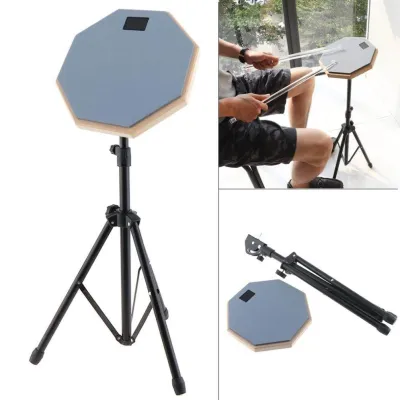
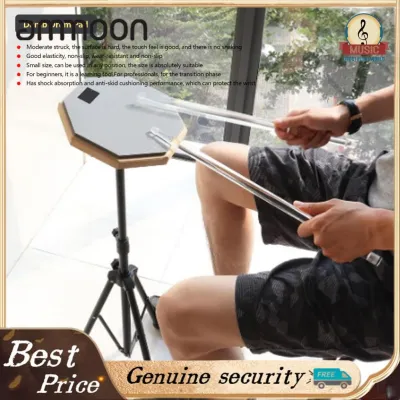
Prices are valid at publication and may change. Please refer to the product page for the latest price.
Silicone pads offer a softer, gum-rubber-like feel that closely mimics the natural response of a coated acoustic drum head. This material absorbs more shock than traditional hard rubber, providing a comfortable playing experience that allows for longer, fatigue-free practice sessions. The rebound is slightly more forgiving and realistic, forcing your fingers and wrists to work a bit harder to control the stick, which translates beautifully when transitioning to an actual acoustic snare drum.
Mesh pads introduce a completely different dynamic by utilizing a woven mesh surface that can be tensioned using a standard drum key. This adjustable tension allows you to tune the bounce from loose and muddy to tight and snappy, effectively simulating the distinct feel of various acoustic drum heads or electronic kit pads. Mesh surfaces are highly responsive, but they can sometimes feel overly springy if tensioned too tightly, which may mask flaws in your stick-rebound control.
To ensure you choose a pad that aligns with your training, perform an actionable check by testing the pad’s response with both single strokes and double-stroke rolls. Pay close attention to whether the material assists your double strokes too much or if it requires you to actively pull the stick back up. A pad that forces you to engage your fingers and wrists naturally will yield better muscle memory for real-world kit playing.
Noise Levels: Choosing a Pad for Your Practice Environment
Matching your practice pad’s acoustic footprint to your living situation is crucial for maintaining a consistent practice schedule without causing domestic friction. Rubber pads produce a sharper, higher-pitched tapping sound with every strike. This distinct clack can easily penetrate thin walls and doors, and the physical impact of the sticks can send low-frequency vibrations traveling down stand legs and through hard flooring surfaces.

Silicone pads are highly suitable for shared living spaces because they generate a soft, low-frequency thud rather than a sharp click. The dense, shock-absorbing nature of silicone dampens the high-frequency acoustic energy of the stick tip, making it significantly quieter to anyone in the next room. This makes silicone an excellent choice for late-night practice sessions when other household members are sleeping.
Mesh pads are widely considered the quietest option available, creating only a soft swish or a very low-frequency thwack when struck. However, the overall noise level of a mesh pad is highly dependent on its tension; if you tune the mesh extremely tight to achieve maximum rebound, the acoustic pitch and volume will increase.
Before making a purchase, perform a verification step by checking the manufacturer’s acoustic ratings or user demonstrations if available. To further reduce the acoustic impact in high-density apartments, consider pairing your practice pad stand with a noise-isolating riser or placing a dense foam base underneath the pad to absorb structural vibrations before they reach the floor.
Durability and Care: Evaluating Long-Term Material Wear
Evaluating the wear patterns and maintenance needs of each material ensures you select a pad that offers long-term value and reliable performance. Rubber pads are incredibly robust and highly resistant to stick marks, deep dents, and physical tearing. However, rubber is susceptible to environmental factors; over years of heavy use, especially in warm or humid climates, the material can gradually harden, dry out, or lose its original elasticity.
Silicone pads resist surface denting exceptionally well and maintain their pliable, realistic feel over a long lifespan. Despite their resilience, silicone surfaces are vulnerable to sharp objects and can tear or puncture if you repeatedly strike them with chipped, splintered, or poorly maintained drumsticks. Keeping your sticks smooth is vital to preserving a silicone pad’s surface integrity.
Mesh pads require the most active maintenance of the three types, as the woven fibers are susceptible to fraying at the edges or sagging in the center over time. Because the mesh is under constant tension, it will eventually stretch out, requiring periodic adjustments with a drum key and, ultimately, complete replacement of the mesh head.
As a standard maintenance check, always inspect your drumstick tips for rough spots or sharp splinters before you begin practicing. Additionally, verify whether the manufacturer of your chosen pad sells replacement mesh heads or dedicated tension keys, ensuring you can easily service the pad rather than having to replace the entire unit.
Decision Framework: Which Practice Pad Fits Your Needs?
Finalizing your purchase decision requires balancing your personal playing style, your technical development goals, and your environmental constraints.
You should choose a rubber pad if you prioritize maximum rebound for intense rudiment practice, require a highly durable tool that can withstand years of heavy use, and practice in an environment where tapping noise is not a concern. These pads are often highly portable and budget-friendly, with basic models starting around S$30 to S$50 on popular online marketplaces.
You should choose a silicone pad if you want a realistic feel that closely mirrors an acoustic snare drum, need to minimize noise for shared living spaces or apartments, and prefer a low-maintenance surface that does not require tension adjustments. Silicone pads offer a superb middle ground for drummers who want a quiet yet highly realistic practice experience.
You should choose a mesh pad if you primarily play electronic drums and want to match your practice pad’s tension to your main kit, or if you require a highly customizable feel that you can adjust as your technique evolves. Mesh pads are also the ultimate choice for near-silent practice, though they often require a larger initial investment and a dedicated stand.
Before you buy, verify first if you plan to mount the pad on an existing cymbal stand or use it alongside an electronic drum module. Check the manufacturer’s specifications for mounting thread sizes—typically 8mm or 6mm—and ensure the pad’s weight and mounting style are fully compatible with your current hardware setup.
Frequently Asked Questions (FAQ)
Can I use mesh practice pads with standard acoustic drum stands?
Most mesh practice pads are designed to be highly versatile, but mounting compatibility depends entirely on the pad’s design and your existing hardware. Many smaller practice pads feature a threaded insert on the bottom, commonly 8mm, which allows them to screw directly onto standard cymbal stands. However, larger mesh pads or those designed to mimic full snare drums are often meant to be placed directly into a standard basket-style acoustic snare stand. Always verify the specific pad’s mounting specifications and weight capacity to ensure your stand can support it securely without wobbling during heavy practice sessions.
Do silicone or mesh pads wear out drumstick tips faster than rubber?
Drumstick wear is primarily a product of your playing technique, stick angle, and the physical condition of the sticks themselves, rather than the specific material of the practice pad. While rubber is hard and unforgiving, it does not actively abrade wood any faster than silicone or mesh. However, playing with splintered or damaged stick tips on a mesh or silicone pad can quickly ruin the pad itself by snagging the mesh fibers or puncturing the silicone surface. It is highly recommended to inspect your stick tips regularly and keep a dedicated pair of smooth, undamaged sticks exclusively for your practice pad sessions.

Community discussion
Share your experience or ask a question. Comments are reviewed before publication.