
Mastering the art of spending is not about depriving yourself of life’s pleasures; rather, it is about aligning your financial resources with your deepest values and long-term goals. In a fast-paced financial hub like Singapore, where the cost of living, housing decisions, and lifestyle aspirations require careful navigation, developing a mindful approach to money is essential. While many resources focus solely on how to earn or invest, learning how to allocate your capital wisely—the true art of spending—is what ultimately secures financial peace.
Selecting the right business and finance magazines can serve as a powerful catalyst for this transformation. These publications offer more than just stock tips; they provide structured frameworks, behavioral insights, and real-world case studies that help you evaluate your purchasing decisions. By choosing a publication that matches your specific learning style and financial stage, you can cultivate a mindset that views every dollar spent as an active investment in your desired future.
Defining Your Financial Learning Goals
Before committing to any magazine subscription, it is crucial to clarify what you hope to achieve. Financial literacy is a broad spectrum, and different publications cater to distinct areas of expertise. If you do not define your goals early, you risk subscribing to a magazine that leaves you overwhelmed with complex market data or, conversely, bored by overly simplistic budgeting tips.
Products mentioned in this guide

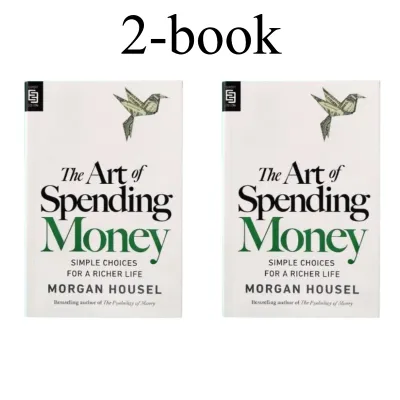
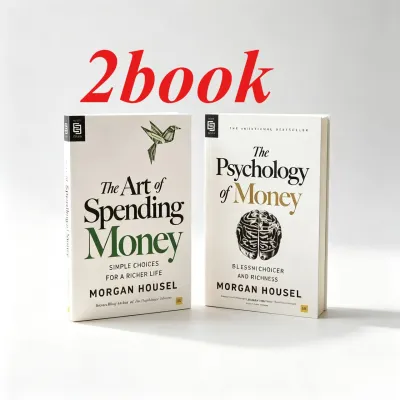


Prices are valid at publication and may change. Please refer to the product page for the latest price.
First, distinguish between macro-level market understanding and micro-level personal budgeting. Macro-focused reading helps you comprehend the broader economic forces at play, such as interest rate fluctuations, global supply chain shifts, and inflation trends. This knowledge is invaluable when making major life decisions, such as timing a property purchase or understanding how global events might impact your local employment market. On the other hand, micro-focused reading zeroes in on personal cash flow, daily spending habits, and immediate household budgeting strategies.
Second, identify whether your current priority is wealth accumulation, debt management, or mindful consumption. A reader looking to aggressively pay off a home loan or clear personal debt requires different editorial guidance than someone who has already secured a stable portfolio and wants to master the psychological aspects of spending. Mindful consumption, which lies at the heart of the art of spending, focuses on maximizing the utility and joy derived from every dollar, rather than simply accumulating assets for the sake of a larger balance sheet.
Finally, determine your preferred depth of analysis. Some readers thrive on high-level summaries, quick infographics, and brief news roundups that can be consumed during a morning commute on the MRT. Others prefer deep-dive case studies, investigative journalism, and long-form essays that dissect corporate financial decisions or historical economic cycles. Knowing your reading habits and cognitive preferences ensures that your chosen magazine becomes a consistent tool for growth rather than an unread stack on your coffee table.
Key Criteria for Evaluating Spending and Finance Magazines
With countless publications available on physical newsstands and digital platforms, evaluating editorial quality is essential to avoid wasting your time and money. A high-quality finance magazine should act as a trusted advisor, offering objective, well-researched insights rather than sensationalized financial trends.

Begin by evaluating the credentials of the editorial board and the publication’s historical track record. Look for magazines that employ seasoned financial journalists, economists, and certified financial professionals. While no publication can predict the future with absolute certainty, you can assess their historical accuracy by reviewing how they covered past economic downturns or market bubbles. A reliable magazine prioritizes balanced, evidence-based reporting over alarmist headlines designed to drive impulse clicks or newsstand sales.
Another critical criterion is the balance between theoretical economic concepts and actionable spending strategies. A publication that only discusses abstract monetary policy will do little to help you optimize your monthly grocery budget or evaluate a local insurance policy. Conversely, a magazine that only offers basic saving tips without explaining the underlying economic drivers may fail to build your long-term financial intelligence. The ideal publication bridges this gap, explaining why an economic shift is happening and how you can adjust your personal spending to adapt.
Consider also the frequency of publication and the timeliness of the data presented. Weekly magazines are excellent for staying abreast of rapidly changing market conditions, but they can sometimes feel overwhelming and reactive. Monthly or quarterly publications often provide more reflective, deeply researched pieces that are better suited for developing a long-term spending philosophy. Ensure that the data used in their analyses is current and that the editorial team clearly distinguishes between historical facts and forward-looking projections.
Lastly, assess the availability of interactive tools and supplementary digital resources. Many modern finance publications offer subscribers access to proprietary budgeting templates, retirement calculators, exclusive webinars, or curated newsletters. These digital add-ons can significantly enhance the practical value of your subscription, allowing you to immediately apply the concepts you read about to your personal financial situation.
Matching Magazine Types to Your Financial Journey
Your financial journey is unique, and the reading material that served you well during your university years may no longer meet your needs as a mid-career professional or a prospective homeowner. Aligning the category of the magazine with your current literacy level and financial objectives is key to sustaining your educational momentum.
Magazines for Macro-Economic and Market Trends
Macro-focused publications are designed for readers who want to understand the global financial ecosystem. These magazines typically feature structured analyses of international trade, central bank policies, corporate mergers, and technological disruptions. By reading these articles, you gain a broader perspective on how systemic factors influence your personal purchasing power.
For instance, understanding how global inflation impacts local import costs can help you anticipate price increases in daily goods and services. Similarly, tracking interest rate trends allows you to make informed decisions regarding home loans, refinancing options, or fixed-deposit allocations in Singapore. These insights prevent you from making reactionary financial moves based on short-term market panic.
However, it is important to recognize the limitations of macro-level data. A deep analysis of global bond yields will not provide you with a practical framework for managing your weekly discretionary spending. If your primary goal is to curb impulse buying or establish a personal emergency fund, macro-focused magazines should be treated as supplementary reading rather than your primary guide.
Magazines for Personal Wealth and Mindful Consumption
If you want to focus directly on the daily application of financial wisdom, consumer-focused personal finance magazines are highly effective. These publications specialize in behavioral finance, exploring the psychological triggers that lead to overspending and offering practical strategies to counteract them.
Content in this category often includes detailed budgeting frameworks, comparisons of financial products, and guides on value-based purchasing. This is where the art of spending truly comes to life. Instead of advocating for extreme frugality, these articles teach you how to spend intentionally on things that genuinely enhance your well-being while ruthlessly cutting costs on items that do not add value.
When evaluating these magazines, look for step-by-step financial planning guides and real-life case studies of individuals or families navigating common financial milestones. Whether it is planning for a child’s education, preparing for retirement, or managing multi-generational household expenses, these practical narratives offer relatable, actionable blueprints that you can adapt to your own life.
How to Verify Subscription Value and Content Quality
Committing to an annual subscription is a financial decision in itself, and it should be approached with the same mindfulness you apply to other purchases. Before entering your credit card details, take deliberate steps to verify that the publication delivers genuine value.
Start by utilizing free trial periods, sample issues, or digital archives. Most reputable publishers offer a complimentary trial or allow you to read a selection of articles for free each month. Use this opportunity to assess the editorial tone. Is the writing clear, accessible, and objective? Or is it filled with dense jargon and sensationalist language? The content should challenge your thinking without making you feel alienated by overly complex terminology.
Next, consult independent review platforms and professional financial forums to see what other readers are saying. Look for feedback regarding the ease of navigating their digital platform, the responsiveness of their customer service, and whether subscribers feel the content justifies the ongoing cost. Pay attention to any recurring complaints about hidden fees or difficulties in cancelling subscriptions.
Be vigilant for red flags that indicate poor editorial integrity. A major warning sign is an excessive amount of promotional content or sponsored articles disguised as objective editorial advice. If a magazine consistently recommends specific financial products or investment schemes without clearly disclosing commercial partnerships, its objectivity is compromised. Additionally, avoid publications that rely on sensationalist headlines promising quick riches or absolute financial safety, as these are rarely grounded in sound economic reality.
Finally, compare digital versus print subscription tiers. While a physical magazine offers a tactile, distraction-free reading experience, digital subscriptions often provide superior value. For example, evaluating whether a subscription costing S$10 to S$20 per month fits your educational budget requires assessing how often you will actually read the material. Digital tiers typically grant access to extensive archives, robust search functions, and interactive features that allow you to search for specific topics instantly. Consider your lifestyle—whether you prefer reading on a tablet during your commute or holding a physical copy on a quiet weekend morning—and choose the format that ensures you will actually consume the content.
Frequently Asked Questions (FAQ)
How can I access digital archives for past financial case studies?
Accessing a publication’s digital archive is one of the most effective ways to maximize the value of your subscription. When evaluating a magazine’s digital infrastructure, look for a portal that offers advanced search filters, intuitive tagging systems, and downloadable formats like PDFs. A well-organized archive allows you to research specific financial topics or historical economic events at your own pace. Studying past case studies is incredibly valuable; it enables you to track how different spending strategies and investment philosophies performed during previous market cycles, helping you make more resilient decisions today.
Are regional business magazines better for local market insights?
Yes, regional business and finance magazines are highly beneficial when you need to make decisions influenced by local regulations, tax structures, and housing policies. While global publications offer excellent macro perspectives, they often lack the granular detail required to navigate local systems, such as Singapore’s Central Provident Fund (CPF) rules, local property stamp duties, or regional tax incentives. Prioritizing regional publications is highly recommended when you are planning major localized financial moves, such as purchasing a home, optimizing your local tax liabilities, or evaluating regional employment benefits.
Community discussion
Share your experience or ask a question. Comments are reviewed before publication.