
Choosing the right music file folder is a decision that directly impacts your performance flow, practice efficiency, and score preservation. The ideal format depends on whether you prioritize physical archiving, rapid transit, or paperless convenience. For musicians managing extensive physical libraries with frequent handwritten annotations, a specialized sheet music binder provides the necessary structural support and long-term organization. If your workflow involves traveling light to rehearsals with loose sheets, a flexible music portfolio offers quick access and easy packing. For those managing vast repertoires across multiple ensembles, transitioning to a digital tablet holder eliminates physical bulk entirely, though it introduces electronic dependencies.
Evaluating Your Musical Workflow and Environment
To select the most effective system, you must first analyze where and how you play. A classical pianist practicing in a climate-controlled home studio has vastly different requirements than a gigging brass player performing at outdoor events or a session woodwind player navigating tight orchestra pits. Each environment presents distinct challenges regarding lighting, space, wind, and physical stability.
Physical paper remains the standard for many traditional ensembles, offering a tactile experience and zero latency when turning pages. It allows for instant, precise pencil markings during rehearsals without navigating digital menus. However, physical sheets are vulnerable to wear, tearing, and environmental factors like wind or humidity, which can cause pages to flutter or warp on the stand.
Products mentioned in this guide
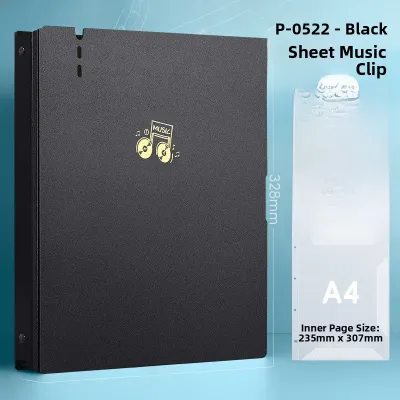
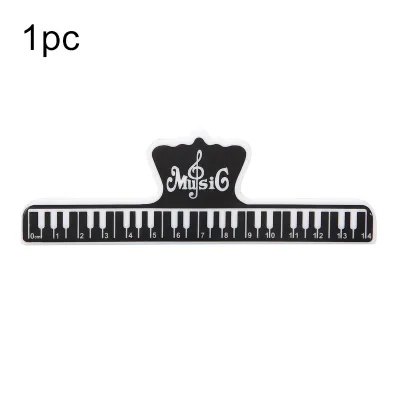
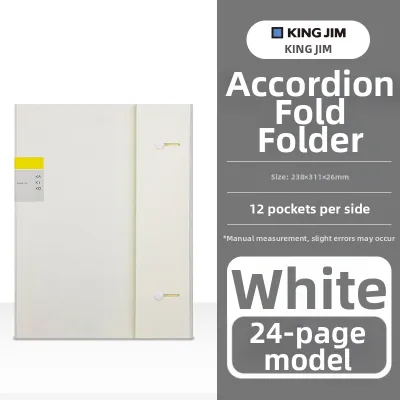
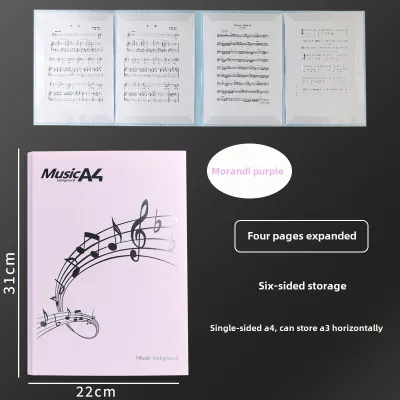
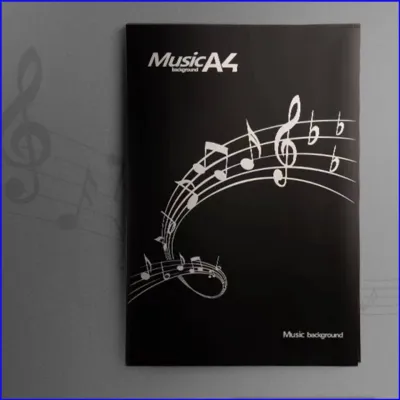
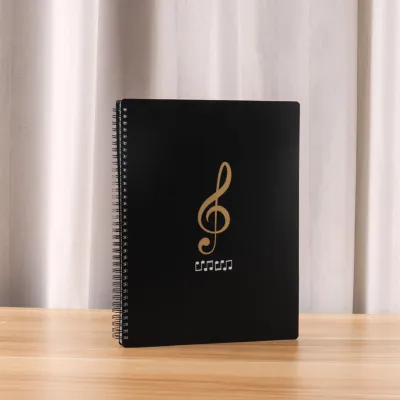
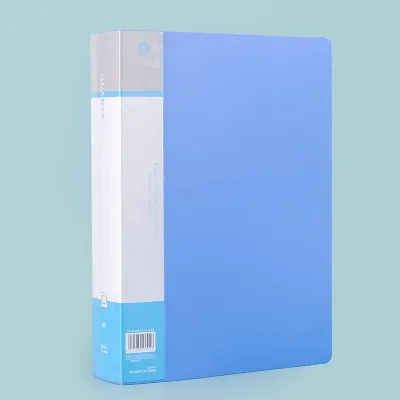
Prices are valid at publication and may change. Please refer to the product page for the latest price.
Digital screens, on the other hand, consolidate thousands of pages into a single, lightweight device. This transition eliminates the physical weight of heavy binders and the risk of losing individual sheets. Yet, digital setups require careful management of battery levels, screen glare under bright stage lights, and the potential for software or hardware glitches during a live performance.
Your physical performance space also dictates your choice. In cramped orchestra pits or on narrow stage setups, a bulky binder might overhang the music stand or block the view of the conductor. Conversely, an outdoor gig requires a secure system that prevents loose sheets from blowing away, making a closed portfolio or a securely mounted tablet holder far more practical than a loose-leaf binder.
Sheet Music Binders: Durability and Archiving
For musicians who maintain a large, permanent library of physical scores, sheet music binders serve as the gold standard for archiving and active performance. These binders are designed to keep scores organized, sequential, and protected from physical damage over years of frequent use.

The core of any effective sheet music binder lies in its binding mechanism. Standard office binders often utilize O-rings, which can cause pages to bunch up or resist laying flat on a music stand. Specialized music binders typically feature D-rings or flat-back binding systems. This design allows pages to lie completely flat, ensuring that the entire score remains visible and stable without the center of the binder tenting or lifting off the stand lip.
Capacity is a primary advantage of the binder format. A robust binder can hold dozens of scores, making it ideal for choral singers, orchestral players, or music students who must carry an entire semester’s worth of repertoire. To protect these pages from finger oils, dust, and tearing, musicians often use clear sheet protectors. When selecting sheet protectors, look for non-glare or matte finishes to prevent overhead stage lights from reflecting off the plastic and obscuring the notes.
However, these benefits come with notable trade-offs. A fully loaded binder is heavy and bulky, requiring a sturdy backpack or instrument case pocket for transport. Additionally, preparing new music for a binder can be time-consuming, as it requires either punching holes directly into the paper or carefully sliding each sheet into individual plastic sleeves. For musicians who receive new charts minutes before a performance, this preparation time can be a significant bottleneck.
Music Portfolios: Mobility and Quick Access
When your schedule demands rapid transitions between rehearsals, gigs, and recording sessions, a music portfolio offers a lightweight and highly mobile alternative to heavy binders. Portfolios are designed for the musician on the move, prioritizing quick packing and easy access to loose sheets.
Most high-quality music portfolios feature durable exterior materials like heavy-duty nylon, canvas, or reinforced leatherette. These materials provide basic weather resistance, protecting your scores from light rain or humidity during transit. Many designs incorporate secure closures, such as zippers or elastic bands, to ensure that loose sheets do not slide out and get lost in transit.
Internally, portfolios are optimized for organization without the need for hole-punching. They typically feature deep pockets, corner straps, or elastic bands that hold loose sheets securely in place while allowing you to slide them out instantly. Many portfolios also include dedicated compartments for essential accessories, such as pencils, tuners, metronomes, and cleaning cloths, keeping your entire performance toolkit in one self-contained package.
The primary limitation of a portfolio is its long-term page protection. Because sheets are often stored loosely or held only by corner tabs, the edges of the paper can easily bend, fray, or tear over time with frequent handling. Additionally, portfolios do not offer the same structured page-turning experience as a binder; turning pages of loose sheet music on a stand requires careful coordination to prevent the sheets from sliding off the stand entirely.
Tablet Holders and Digital Folders: The Screen-Based Approach
The transition to digital sheet music has revolutionized how modern musicians manage their libraries. By replacing physical paper with a tablet, you can carry thousands of scores, setlists, and reference recordings in a single device that fits easily into any gig bag.
To integrate a tablet into your performance workflow, a secure tablet holder or mount is essential. These holders must be compatible with your specific device’s dimensions and screen size, ensuring a tight grip that prevents the tablet from slipping. Most holders feature adjustable clamps that attach directly to the shaft or lip of a standard music stand, allowing you to position the screen at the perfect viewing angle.
Operating a digital setup requires a shift in performance habits. Battery life management is critical; you must ensure your device is fully charged before every rehearsal and performance, and carry portable power banks for longer gigs. Screen glare is another factor to consider, especially when performing outdoors or under intense stage lighting. Many musicians use matte screen protectors to minimize reflections and improve readability.
To facilitate seamless page turns without interrupting your playing, digital setups often integrate with Bluetooth page-turning pedals. These foot-operated pedals allow you to advance or go back a page with a simple tap of your foot, keeping your hands free to play your instrument. While the upfront investment in a tablet, mounting hardware, and page-turning pedals is significantly higher than physical folders, the long-term benefits of instant library access and hands-free operation are unmatched for busy touring musicians.
Feature Comparison Matrix
To help you visualize the practical differences between these three formats, the following matrix compares their key operational characteristics.
| Feature | Sheet Music Binder | Music Portfolio | Tablet Holder |
|---|---|---|---|
| Primary Material | Rigid plastic, vinyl, or cardboard | Nylon, canvas, or leatherette | Metal, plastic, and silicone mounts |
| Relative Weight | Moderate to heavy (increases with paper) | Light to moderate | Device-dependent (lightweight mount) |
| Setup Speed | Moderate (requires page organization) | Fast (slide loose sheets in/out) | Fast (clamp mount and power on) |
| Capacity | High (limited by ring size) | Moderate (best for loose sheets) | Virtually unlimited (digital storage) |
| Environmental Suitability | Best for indoor, stable environments | Good for transit and quick setups | Excellent for indoor/outdoor (with glare protection) |
| Relative Cost | Low initial investment | Low to moderate investment | High initial hardware investment |
Before finalizing your choice, use this quick checklist to verify compatibility with your existing equipment:
- Music Stand Lip Depth: Ensure your music stand's lip is deep enough to support the thickness of a fully loaded binder or the clamp mechanism of your tablet holder.
- Accessory Storage: Verify if the folder or portfolio has adequate pockets for your pencil, tuner, metronome, or spare batteries.
- Page-Turning Space: Check if your performance environment allows enough physical space to turn binder pages or if a foot-pedal digital system is necessary.
Decision Framework: Which Music Folder Fits You?
Choosing the right system comes down to matching your specific musical profile and daily workflow to the strengths of each format.
Choose a Sheet Music Binder if:
- You are a classical player, choral singer, or archivist who works with large, multi-page scores that must remain in a strict, permanent order.
- You frequently make detailed pencil annotations during rehearsals and prefer the tactile feel of physical paper.
- Your performance environments are stable, such as concert halls, practice rooms, or classrooms with sturdy music stands.
Choose a Music Portfolio if:
- You are a gigging vocalist, session musician, or freelance player who needs to transport a small selection of loose charts to various venues.
- You prioritize rapid packing and unpacking, and want a single, lightweight folder that also holds your essential accessories.
- You frequently receive loose sheet music at the venue and need a secure way to transport it home without damage.
Choose a Tablet Holder if:
- You are a touring musician, wedding band player, or multi-instrumentalist who manages an extensive repertoire of hundreds or thousands of songs.
- You want to eliminate the physical weight of paper and value the ability to search, organize, and share setlists instantly.
- You are comfortable managing device battery life, software updates, and integrating Bluetooth accessories into your live performance setup.
Verify first if:
- Your physical music stand is sturdy enough to support the weight of a heavy binder or the off-center balance of a clamped tablet holder.
- Your digital sheet music applications support the file formats (such as PDFs) of your existing digital library before investing in hardware.
Frequently Asked Questions (FAQ)
Can I use a standard office binder for sheet music?
While a standard office binder can hold paper, it is generally not ideal for active musical performances. Standard office binders typically use round O-rings, which cause the pages to bunch up in the center and resist laying flat on a music stand. This can lead to pages turning unexpectedly or tearing at the punched holes during a performance. Specialized music binders utilize D-rings or flat-back designs that allow the pages to lie completely flat, ensuring optimal visibility and smooth page turns. Additionally, standard office binders often have wide spines that can slide off narrow music stand lips or block the view of adjacent pages.
How do I protect loose sheet music in a portfolio from bending?
To protect loose sheet music from bending or creasing inside a flexible portfolio, you can insert a lightweight, rigid backing board or a plastic folder to provide structural support. This prevents the portfolio from flexing and damaging the paper edges during transit. For frequently handled sheets, placing them inside non-glare, top-loading clear sleeves before putting them in the portfolio offers excellent protection against tears, dirt, and fingerprint smudges. This setup allows you to enjoy the quick-access benefits of a portfolio while maintaining the pristine condition of your physical scores.
Community discussion
Share your experience or ask a question. Comments are reviewed before publication.