
To protect and organize your music file sheets, look for a folder or binder with non-glare (matte) page sleeves, a sturdy D-ring mechanism that allows pages to lay flat, and a durable, non-reflective cover. The ideal choice depends on your specific performing environment, the physical dimensions of your scores, and how often you travel between rehearsals.
Selecting the wrong binder can lead to torn pages, distracting glare under stage lights, or scores that slip out at the worst possible moment. Understanding the technical specifications of sheet music folders ensures your repertoire remains secure, readable, and preserved for years of use.
Size and Capacity: Matching Dimensions to Your Music File Sheets
Paper dimensions and binder capacities directly dictate how well your music file sheets are protected from edge wear and tearing. Standard office binders often fall short because they are not optimized for the unique layouts of musical scores.
Products mentioned in this guide
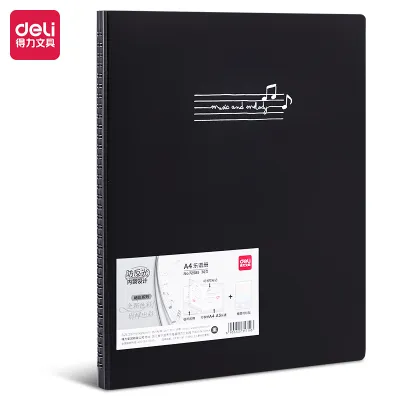
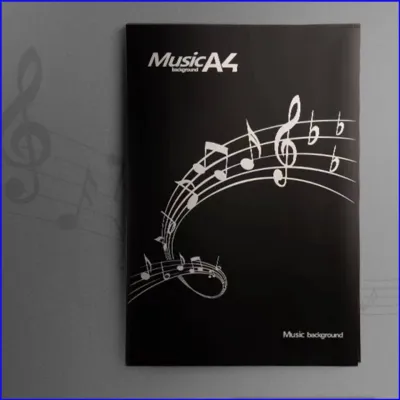
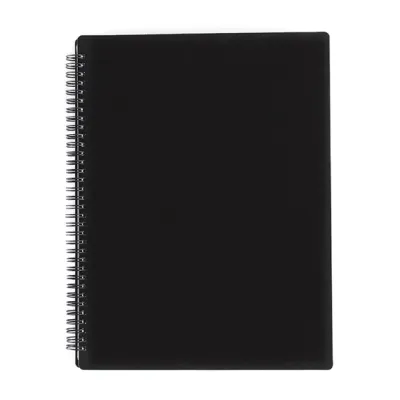
Prices are valid at publication and may change. Please refer to the product page for the latest price.
- Standard Dimensions: In Singapore, A4 is the standard paper size for most printed scores and home printers, but imported music (particularly from North American publishers) frequently uses US Letter size. If you play in an orchestra or band, you may encounter oversized or untrimmed scores that are wider than standard paper. Choosing an extra-wide or oversized folder prevents the edges of your music file sheets from fraying, bending, or hanging out of the binder.
- Ring Size and Page Capacity: Ring diameter specifications determine how much music you can carry. A 1-inch (approximately 25mm) ring binder typically holds around 175 to 200 sheets of standard paper, which is ideal for individual recital programs or a single semester of choir repertoire. A 2-inch (approximately 50mm) binder can accommodate up to 375 to 400 pages, making it suitable for thick musical theater books or full orchestral seasons. Always verify the manufacturer's specified capacity, as heavy-weight paper or plastic sleeves will reduce the total page count.
- Ring Shape Mechanics: The functional difference between O-ring and D-ring mechanisms is significant for musicians. O-ring mechanisms cause sheets to curve around the ring, which makes the music harder to read near the spine and increases the risk of tearing at the punched holes. D-ring mechanisms, which are mounted on the back cover rather than the spine, allow the pages to lay completely flat. This reduces tension on the inner margins of your music file sheets and makes rapid page turns smoother during performances.
Binder Mechanisms and Page Protectors: Keeping Sheets Secure and Readable
The internal components of your folder determine how quickly you can read your music and how easily you can make necessary edits during rehearsals.

- Sleeve Finish and Glare: Glossy plastic sleeves reflect overhead stage lights, music stand lamps, and venue spotlights, creating blinding glare that can obscure notes and dynamic markings. Non-glare, matte-finish page protectors diffuse light, ensuring readability from various angles. For musicians who need to make frequent pencil markings, look for band-style or window-style sleeves. These specialized holders secure only the top and bottom edges of the paper, leaving the center exposed for quick annotations without needing to slide the paper out.
- Loading Direction and Retention: Top-loading sleeves are common but can allow sheets to slide out if the binder is held upside down or packed quickly into a gig bag. Side-loading sleeves, where sheets insert from the inner spine side, offer superior retention, keeping your music file sheets securely locked inside even during transit.
- Alternative Securing Methods: If you prefer to avoid the bulk of plastic sleeves altogether, look for folders featuring built-in elastic bands, corner photo-style mounts, or metal tension clips. These minimalist designs secure loose sheets directly to the folder frame, preserving a slim profile while keeping your music accessible.
Cover Materials and Stage Readiness: Decoding Durability Specs
A folder’s exterior must withstand the physical demands of travel while maintaining a professional appearance that conforms to performance standards.
- Cover Material Properties: Polypropylene (plastic) is lightweight, highly water-resistant, and easy to wipe clean, making it excellent for protecting sheets against Singapore's high humidity and sudden rain showers during commutes. Leatherette (synthetic leather) provides a classic, professional appearance suitable for formal concert halls but requires careful storage to avoid peeling in humid environments. Heavy-duty nylon covers offer a rugged, padded alternative that resists scuffs and drops.
- Spine and Hinge Construction: The hinge is the primary failure point for heavily used binders. Look for reinforced fabric hinges or double-welded plastic seams. A flexible, reinforced spine allows the folder to open a full 180 degrees (or even fold back 360 degrees on some choral folders) without cracking over time.
- Color and Finish for Performance: Professional ensembles and orchestras almost universally require matte black or dark, non-reflective folder covers. Shiny finishes or bright colors distract the audience and reflect stage lighting. Ensure any branding or logos on the cover are minimal, debossed, or entirely absent to maintain a clean, uniform look on stage.
Portability and Extras: Which Features Actually Matter?
Secondary features can improve your workflow, but they should not come at the expense of structural integrity or add unnecessary bulk to your gear bag.
- Transport Features: If you commute frequently via the MRT or bus, a lightweight binder is essential. Some larger choral or conductor binders feature built-in hand straps on the spine, allowing you to hold the folder securely with one hand while singing or gesturing. Detachable shoulder straps are useful for heavy, multi-score binders but add bulk.
- Accessory Integration: Look for folders with dedicated pencil loops, inner pockets for stray notes, and small compartments that can hold a compact tuner, metronome, or cleaning cloth. Having these tools integrated directly into the folder prevents you from scrambling through your instrument case during a rehearsal.
- Simplifying the Decision: Prioritize structural durability and page-turning ease over excessive pockets or decorative straps. A basic, well-constructed binder with a matte finish and smooth D-rings will serve you better than a bulky folder overloaded with unnecessary compartments that add weight and cost.
Frequently Asked Questions (FAQ)
Can I use a standard office binder for my sheet music?
While a standard office binder is inexpensive, it has several functional limitations for musicians. Most standard binders use O-ring mechanisms that prevent pages from laying completely flat on a music stand, making page turns noisy and difficult. Additionally, standard office sleeves are typically glossy and cause distracting glare under stage lights, and the binders themselves may not be wide enough to protect oversized musical scores from fraying at the edges.
How do I prevent my music file sheets from tearing at the holes?
To protect your music file sheets from tearing, use a binder with a D-ring mechanism rather than an O-ring, as D-rings distribute the mechanical stress more evenly when pages are turned. You can also apply self-adhesive hole reinforcement rings to the punched areas of your paper. Avoid overfilling your binder beyond its rated capacity, and always ensure the rings are fully closed and aligned before turning pages to prevent paper from catching on the ring joints.
Community discussion
Share your experience or ask a question. Comments are reviewed before publication.