
Deciding to collect vinyl records is more than just a musical choice; it is a lifestyle commitment. While the warm sound and tactile ritual of physical media are highly appealing, the hobby requires a significant investment of time, space, and money. To determine if vinyl is right for you, you must evaluate how you listen to music, how much physical space you can dedicate to storage, and whether you are prepared for the ongoing costs of hardware and maintenance.
Assess Your Listening Habits and Format Preferences
Streaming platforms have trained us to treat music as a continuous, hands-off background experience. You can press play on a curated playlist and let it run for hours without a second thought. Vinyl records demand the exact opposite approach, turning music playback into an active, intentional ritual that requires your physical presence.
A standard 12-inch vinyl record holds roughly 22 minutes of music per side. This means that every 20 minutes or so, you must physically stand up, lift the dust cover, raise the cueing lever, flip the record over, and gently lower the stylus onto the groove. If you prefer having music run continuously while you clean, work, or host guests, the constant manual intervention of vinyl may quickly feel like a chore.
Products mentioned in this guide

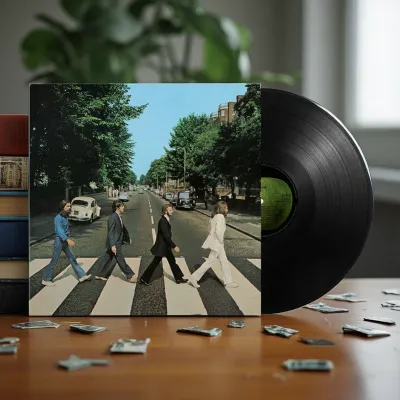
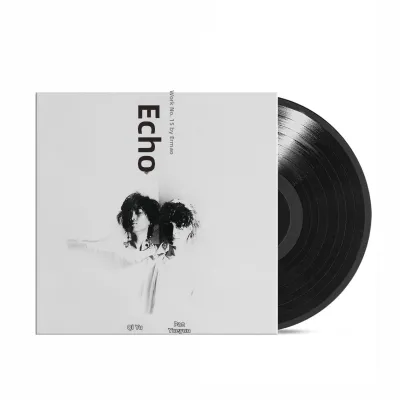

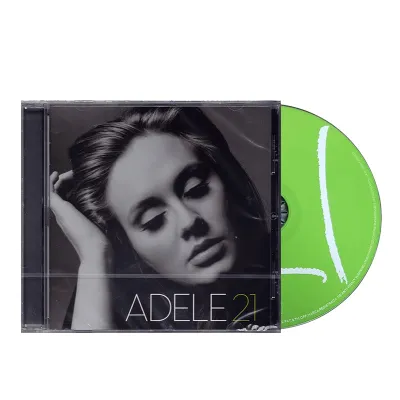
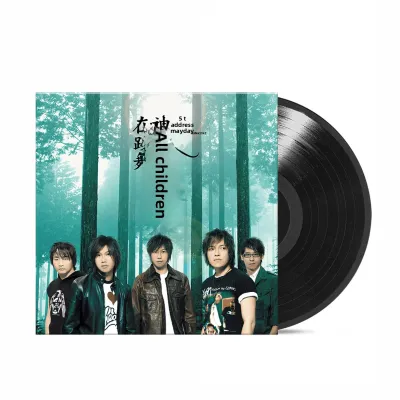
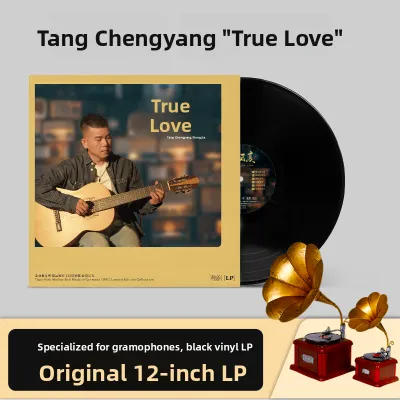
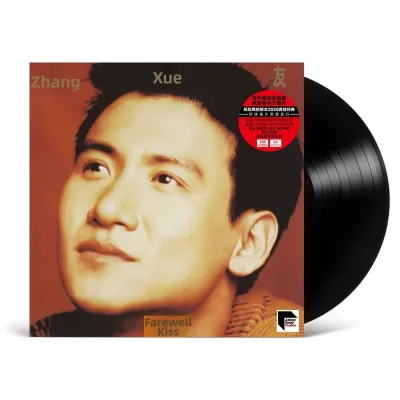
Prices are valid at publication and may change. Please refer to the product page for the latest price.
For those who miss the physical connection to music, however, this active engagement is the primary draw. Vinyl offers a tactile experience that digital files cannot replicate. Holding a 12-inch gatefold jacket, reading the printed liner notes, studying the large-format cover art, and watching the record spin on the platter creates a sensory connection to the album as a cohesive piece of art.
Before committing, you should also evaluate the availability of your favorite music on this format. While classic albums, jazz, indie, and mainstream pop releases are widely pressed, some niche genres, local independent artists, or specific soundtracks may have limited production runs. If your music taste leans heavily toward obscure digital-only releases, you may find it difficult or highly expensive to source the albums you love on vinyl.
Evaluate the True Financial Commitment
Starting a vinyl collection involves a much higher financial barrier to entry than subscribing to a digital streaming service. The initial investment begins with the playback hardware. A complete, record-safe setup requires a turntable, a phono preamplifier, an amplifier, and a pair of speakers.

While you can find entry-level turntables that respect your records for around S$250 to S$500, high-end audiophile systems can easily scale into thousands of dollars. It is highly recommended to avoid ultra-cheap, all-in-one suitcase players. These budget models often lack adjustable counterweights and use low-quality styluses that apply excessive tracking force, which can permanently damage your records over time while delivering poor sound quality.
Beyond the hardware, the ongoing cost of acquiring records can add up rapidly. New vinyl releases in local shops typically range from S$35 to S$70, with double LPs and limited-edition colored pressings commanding even higher prices. While used records offer a more budget-friendly entry point—often starting around S$10 to S$30—finding clean, scratch-free copies requires patience and careful inspection.
There are also essential maintenance expenses to factor into your budget. A stylus is a consumable part that typically needs replacement after 500 to 1,000 hours of playback to prevent audio distortion and record wear. Additionally, you will need to invest in basic maintenance tools, such as carbon fiber record brushes, stylus cleaning gel, and protective plastic inner and outer sleeves to keep your collection in pristine condition.
Consider Your Space and Lifestyle Constraints
Physical media requires physical space, and vinyl records are both heavy and highly sensitive to their environment. A modest collection of 100 records can weigh up to 30 kilograms, meaning you cannot store them on flimsy shelving. You will need sturdy, reinforced bookcases or dedicated record crates that support the weight without bowing.
Environmental control is another critical factor, especially in tropical climates like Singapore. High humidity can quickly lead to mold and mildew growth on paper jackets and inside record grooves, which ruins both the artwork and the sound quality. Furthermore, direct sunlight and ambient heat can easily warp vinyl records, rendering them completely unplayable. You must have a cool, dry, well-ventilated space away from windows to store your collection safely.
If you rent your home or plan to relocate frequently, the physical weight of a vinyl collection presents a major logistical challenge. Packing, moving, and unpacking boxes of fragile, heavy records requires extreme care to prevent warping and jacket damage during transit. If your lifestyle involves frequent moves or limited living space, a growing physical library may become a burden.
Finally, consider the time investment required to keep your collection playable. Dust is the natural enemy of analog playback, causing pops, clicks, and surface noise. You must commit to brushing each record before and after every playback session, cleaning your stylus regularly, and occasionally performing deep wet-cleaning on older or second-hand purchases to maintain sound quality.
Weigh Vinyl Against Digital and Streaming Alternatives
To confirm your motivation for starting a collection, it helps to contrast the analog experience directly with modern digital alternatives. From a purely technical standpoint, high-resolution digital streaming offers a cleaner, more precise audio signal. Digital files do not suffer from surface noise, inner-groove distortion, or physical wear, providing a flawless playback experience every time.
However, vinyl enthusiasts often prefer the specific mastering choices associated with analog releases. Because vinyl has physical limitations regarding bass frequencies and high-end treble, albums are often mastered with a wider dynamic range and less compression than their digital counterparts. This mastering style can result in a warmer, more natural soundstage that many listeners find more pleasing and less fatiguing over long sessions.
Convenience and music discovery also differ vastly between the formats. Streaming services excel at introducing you to new music through algorithms and instant search. Vinyl, by contrast, encourages a slower, more deliberate listening habit. Because skipping tracks on a turntable is a manual and delicate process, you are much more likely to listen to an album from start to finish, appreciating the sequencing and flow intended by the artist.
There is also the fundamental question of ownership versus access. When you pay for a streaming subscription, you are renting access to a digital library that can change at any time due to licensing disputes or platform changes. When you buy a vinyl record, you own a permanent, physical archive of that music that cannot be deleted, modified, or taken away from you.
Low-Risk Ways to Test the Waters Before Committing
If you are still on the fence, you do not need to buy an entire audio system immediately to see if the hobby suits you. There are several low-risk, budget-friendly ways to experience the vinyl lifestyle before making a major financial commitment.
Start by visiting local independent record stores. Spend an afternoon browsing the crates, looking at the artwork, and talking to the staff about their recommendations. Many physical record shops have in-store listening stations equipped with turntables and headphones, allowing you to experience the physical ritual of selecting and playing a record firsthand without spending any money.
Another excellent approach is to borrow equipment or buy second-hand. If you have a friend or family member who collects, ask if you can try operating their turntable under their guidance to get a feel for the manual steps involved. Alternatively, look for reputable local audio repair shops that sell serviced, vintage turntables, which often provide superior build quality and reliability compared to cheap modern entry-level models.
Finally, try setting a small, fixed trial budget to purchase two or three of your absolute favorite albums on vinyl first. Keep them in your living space, look through the gatefolds, and read the inserts. If holding the physical artwork makes you excited to eventually hear the music spin, you can confidently begin planning your hardware setup, knowing that the hobby truly resonates with your lifestyle.
Frequently Asked Questions (FAQ)
Do I need an expensive turntable to start collecting?
You do not need an expensive audiophile setup to start, but you should avoid ultra-cheap suitcase players that lack adjustable components. Look for a reliable, entry-level turntable that features an adjustable counterweight, an anti-skate control, and a replaceable cartridge. These features ensure the tonearm applies the correct amount of pressure, protecting your records from premature wear while delivering decent sound quality that can be upgraded later.
Will playing a record damage it over time?
Playing a record does cause an incredibly microscopic amount of wear, but with proper setup and care, a record can be played hundreds of times without any noticeable loss in sound quality. To minimize wear, ensure your turntable’s tracking force is calibrated to the cartridge manufacturer’s specifications, keep your stylus clean and replace it when worn, and always handle records by their edges to prevent finger oils from attracting dust to the grooves.
Community discussion
Share your experience or ask a question. Comments are reviewed before publication.