
If you are drawn to the emotional resonance of Mitch Albom’s The Five People You Meet in Heaven, you are likely searching for stories that look beyond the surface of daily life to uncover the hidden threads connecting us all. Finding that same sense of wonder, retrospective peace, and deep human connection in Singaporean literature requires looking at how local writers handle these universal human experiences. While local novels may not always employ a literal afterlife classroom, they frequently capture the same philosophical weight through the lens of a rapidly evolving island nation.
Singapore’s unique historical trajectory—moving from a collection of kampongs to a hyper-modern global metropolis in a few generations—provides a rich backdrop for stories about regret, legacy, and the unexpected ways our choices ripple through the lives of others. By exploring local fiction, you can discover narratives that ground these grand philosophical questions in familiar, everyday spaces. This guide will help you identify the core themes you love, understand how Singaporean writers approach them, and select your next deeply moving read.
Identifying the Core Themes You Want to Explore
To find a local novel that matches the emotional impact of Albom’s work, it helps to first isolate the specific narrative elements that resonated with you. The Five People You Meet in Heaven relies on three primary pillars: the profound interconnectedness of strangers, the search for redemption after a lifetime of perceived mediocrity, and the healing power of retrospective life evaluation. Deciding which of these elements you want to prioritize will guide your search through the diverse catalog of Singaporean fiction.
Products mentioned in this guide
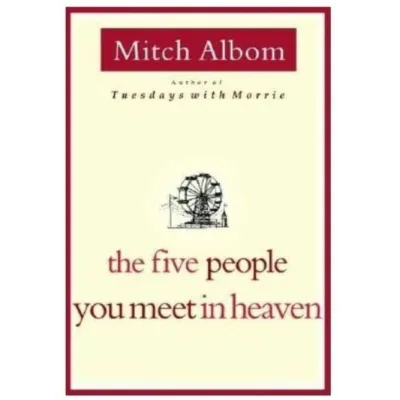
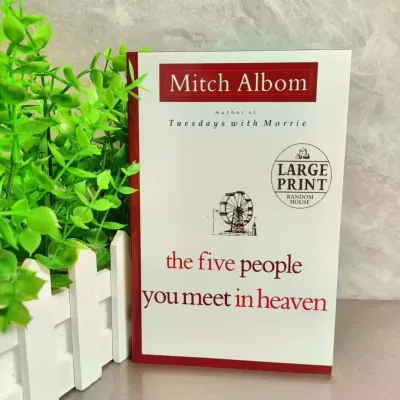
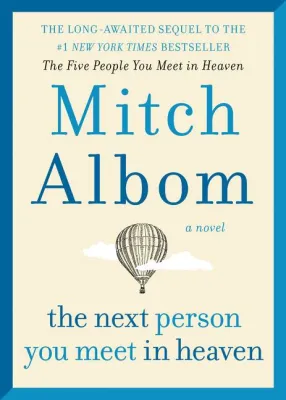
Prices are valid at publication and may change. Please refer to the product page for the latest price.
If you are drawn to the idea of interconnectedness, you should look for novels that employ multi-perspective structures or ensemble casts. These stories demonstrate how a seemingly minor decision by one character can fundamentally alter the trajectory of another person living streets away. In a high-density city like Singapore, this theme takes on a physical reality, as characters live stacked in close proximity, their lives constantly brushing against one another in shared spaces.
For readers who prefer themes of redemption and retrospective evaluation, the focus shifts toward character studies of older protagonists. These narratives often center on individuals looking back at their youth, grappling with the choices they made during Singapore’s early years of independence. The emotional core of these books lies in the reconciliation of past mistakes, the softening of long-held grudges, and the realization that even a quiet, seemingly ordinary life carries immense value.
Understanding how cultural context shapes these themes is also essential for setting your expectations. In Western philosophical fiction, redemption is often framed through individual spiritual journeys or cosmic order. In contrast, Singaporean literature frequently views redemption and forgiveness through the collective lens of family duty, societal expectations, and cultural heritage, offering a distinct but equally powerful path to emotional resolution.
How Singaporean Fiction Explores Life Reflection and Human Connection
Singaporean fiction offers a unique canvas for exploring life reflection, largely because the physical and social landscape of the country has changed so rapidly. Writers in Singapore often use this transition to mirror the internal shifts of their characters. The tension between preserving heritage and embracing rapid modernization serves as a powerful metaphor for the personal struggle between holding onto the past and moving forward.

Family dynamics play a central role in how local literature examines human connection and regret. The weight of filial piety, generational divides, and the pressure to succeed in a highly competitive society are recurring motifs. In these stories, the search for meaning is rarely a solitary quest; instead, it is deeply entangled with the expectations of parents, siblings, and ancestors, making the ultimate moments of reconciliation feel hard-won and deeply earned.
The physical environment of Singapore also acts as a silent character that shapes individual destinies. Authors frequently ground their philosophical reflections in highly specific local settings, such as public housing estates, neighborhood coffee shops, and old industrial zones. These spaces are not merely backdrops but active arenas where different social classes, ethnicities, and generations collide, highlighting the unseen ties that bind a diverse population together.
Furthermore, the concept of community in local fiction often carries historical weight. The transition from close-knit kampong communities to high-rise apartment living is a common theme used to explore modern isolation and the yearning for deeper connection. By examining how characters navigate these changing environments, local writers offer profound insights into how we maintain our humanity and stay connected to one another in a fast-paced, urbanized world.
Singaporean Authors to Explore for Philosophical and Emotional Depth
When searching for Singaporean authors who capture the emotional and philosophical depth of Albom’s writing, it is best to focus on those celebrated for character-driven storytelling. Rather than prioritizing fast-paced plots, look for writers who dedicate time to exploring the inner lives, quiet regrets, and moral dilemmas of their protagonists. This approach ensures that the moments of connection and realization feel authentic and impactful.
Because an author’s style and thematic focus can evolve significantly over their career, it is wise to research individual book synopses rather than assuming their entire bibliography shares the same tone. An author known for sharp social satire in one book might write a deeply tender, reflective family saga in the next. Checking reader reviews and publisher descriptions will help you identify which specific titles align with your current reading preferences.
Keep in mind that thematic alignment is highly subjective, and what constitutes a deeply moving story varies from reader to reader. Some may find emotional resonance in quiet, domestic dramas, while others may prefer sweeping historical epics that span multiple generations. By understanding the distinct approaches of contemporary and established local voices, you can better navigate the literary landscape to find a book that speaks directly to your heart.
Contemporary Voices on Identity and Interconnectedness
Modern Singaporean writers excel at capturing the complexities of living in a highly connected yet sometimes isolating urban environment. These contemporary voices often focus on the hidden networks that link diverse individuals across the city, exploring how brief encounters can leave lasting impressions. Their work frequently addresses the modern search for identity, mental health, and the quiet struggles of ordinary people trying to find their place in a bustling metropolis.
To experience this sense of interconnectedness, look for contemporary novels that utilize non-linear timelines or multiple viewpoints. These structural choices allow authors to reveal the invisible threads between characters who may never fully realize how their lives are intertwined. This narrative technique closely mirrors the structural magic of The Five People You Meet in Heaven, where the true significance of an event is only revealed when viewed from another perspective.
It is important to note that contemporary local fiction often incorporates realistic, mature themes and complex social commentary. Unlike traditional philosophical fables that may present a simplified view of the world, modern Singaporean novels may tackle challenging realities such as systemic inequality, cultural displacement, and personal trauma. This grounded approach adds a layer of raw honesty to the characters’ search for meaning and connection.
Established Perspectives on Family, Regret, and Redemption
For stories that delve deeply into the long-term consequences of choices, generational ties, and the pursuit of reconciliation, look to Singapore’s established and pioneer writers. These authors bring a wealth of historical perspective to their work, often tracing the lives of characters from the mid-twentieth century to the modern era. Their narratives excel at portraying the quiet dignity of aging protagonists who are finally ready to confront the secrets and regrets of their youth.
These works frequently explore the intricate web of traditional family structures, where unspoken emotions and a sense of duty can create deep divides between parents and children. The journey toward redemption in these novels often involves breaking through these silences to find mutual understanding. The emotional payoff in these stories comes from the slow, realistic mending of bonds that have been strained by decades of societal change and personal pride.
When exploring these established perspectives, it is helpful to check the publication history and language availability of the books. Some of the most profound reflections on Singaporean life were originally written in Mandarin, Malay, or Tamil. Fortunately, many of these classic works have been translated into English, allowing a wider audience to appreciate their depth, though you may need to search specialized literary catalogs or local libraries to find physical copies.
How to Select and Verify Your Next Read Before Buying or Borrowing
Before purchasing or borrowing a Singaporean novel, taking a few practical steps to verify the book’s details will ensure a satisfying reading experience. Start by checking the available formats and editions of the book. Whether you prefer physical paperbacks, e-books, or audiobooks, verifying compatibility with your preferred reading devices or local library apps will prevent any technical frustrations.
It is also highly recommended to review content warnings or thematic tags before diving into a new book. Singaporean literature often deals with intense historical events, cultural conflicts, and personal traumas that may be portrayed with a high degree of realism. If you are looking for a gentle, comforting read similar to a fable, verifying that the book’s intensity matches your current emotional bandwidth will help you avoid unexpectedly distressing themes.
To truly gauge whether a novel’s tone and style match your expectations, try reading the first chapter or a detailed publisher preview. Pay close attention to the prose style and the pacing of the narrative. A reflective, philosophical book will typically establish a contemplative tone early on, focusing on character introspection and atmospheric detail rather than immediate, high-stakes action.
Finally, consider sourcing your books from local independent bookstores, specialized literary distributors, or public library networks. These institutions often provide curated recommendations, detailed staff reviews, and thematic displays dedicated to Singaporean literature. Engaging with these resources can introduce you to lesser-known gems that may not appear on mainstream bestseller lists but offer the exact emotional and philosophical depth you are seeking.
Frequently Asked Questions (FAQ)
Are there Singaporean novels that use a non-linear or afterlife narrative structure?
While direct afterlife frameworks resembling Mitch Albom’s specific cosmic classroom are relatively rare in Singaporean fiction, many local authors utilize non-linear structures to achieve a similar reflective effect. These books frequently employ flashbacks, memory sequences, and parallel timelines to explore how past decisions continue to shape the present. By shifting between different eras, these narratives allow readers to witness a character’s life evaluation in a way that highlights the long-term consequences of their actions. To find these specific structural devices, it is best to read detailed book synopses or literary reviews rather than relying solely on broad genre classifications.
Where can I find translated Singaporean fiction if I prefer reading in English?
A significant portion of Singapore’s rich literary heritage was originally written in Mandarin, Malay, or Tamil, and many of these vital works have been translated into English. You can find these translated editions through local academic presses, specialized literary publishers, and national library catalogs. When selecting a translated work, it is beneficial to verify the translator’s credentials and read the publisher’s introduction, as this context can greatly enhance your understanding of the cultural nuances preserved in the translation. Additionally, checking regional availability through local distributors will help you locate physical or digital copies that may not be widely stocked on international ecommerce platforms.
Community discussion
Share your experience or ask a question. Comments are reviewed before publication.