
Finding literature that captures the complex realities of war and peace in Singapore requires a thoughtful approach. The nation’s history is marked by profound periods of conflict, transition, and reconciliation, which local authors have explored through diverse narrative styles. To build a meaningful reading list, you must understand how to evaluate different historical eras, assess the depth of thematic engagement, navigate various formats and translations, and source authentic editions from reliable channels. This guide provides a comprehensive framework to help you identify and acquire the most impactful Singaporean novels dealing with these powerful themes.
Identifying Your Preferred Historical and Thematic Focus
To begin your literary journey, it is essential to identify which historical periods and thematic angles resonate most with your reading preferences. Singapore’s conflict literature is not uniform; it spans distinct eras, each offering a unique lens on how war and peace shape individual lives and national identity.
The Japanese Occupation (1942–1945) is perhaps the most heavily documented era in local fiction. Novels set during this period typically focus on the immediate struggle for survival, the breakdown of social order, and the psychological impact of living under military rule. These stories often highlight the resilience of ordinary citizens, the moral compromises required to stay alive, and the quiet acts of resistance that defined the era.
Products mentioned in this guide
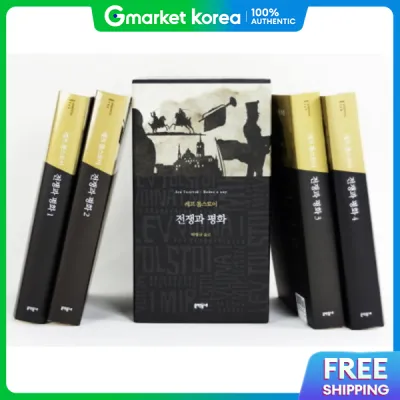

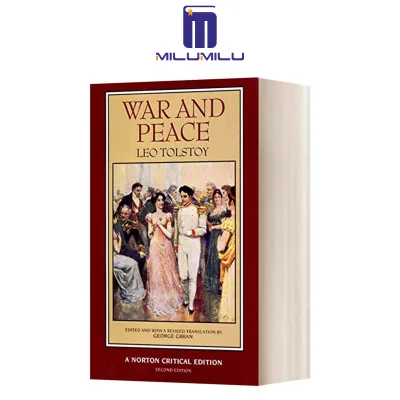
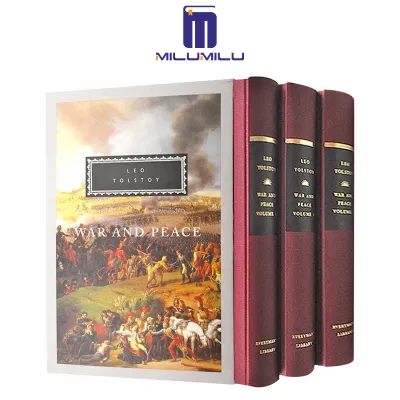
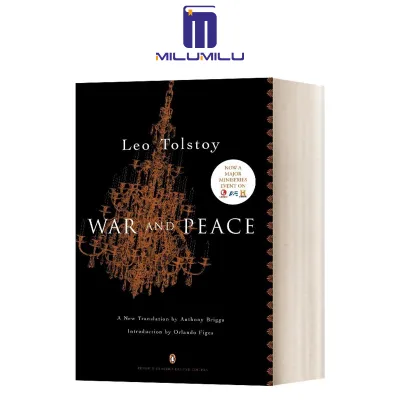

Prices are valid at publication and may change. Please refer to the product page for the latest price.
Another significant period is the Malayan Emergency, which presents a very different set of narrative challenges. Fiction dealing with this era often explores ideological divisions, guerrilla warfare in the jungle, and the political tensions that preceded independence. These works tend to focus on divided loyalties, the clash of political philosophies, and the complex relationship between Singapore and the wider Malayan peninsula.
Post-independence social transitions offer a third thematic focus, where the conflict is often internal or systemic rather than military. These narratives examine the rapid modernization of Singapore, the displacement of traditional communities, and the quiet struggles to maintain cultural heritage in a rapidly changing urban landscape. Here, the theme of peace is explored not merely as the absence of war, but as the active, sometimes painful process of social cohesion and nation-building.
Beyond historical eras, you should consider whether you prefer narratives centered on frontline combat or civilian survival. While some novels touch on military strategy and active resistance movements, the vast majority of Singaporean conflict literature focuses on the domestic sphere. These stories examine how war disrupts families, alters social roles, and forces individuals to redefine their ethical boundaries in order to protect their loved ones.
Post-war reconciliation and generational trauma are also vital themes to explore. Many contemporary writers choose to look backward, examining how the unresolved trauma of wartime survivors affects their children and grandchildren. These novels often employ dual timelines, bridging the gap between historical atrocities and modern-day emotional struggles, showing that the effects of war do not end when peace treaties are signed.
Finally, match your preferred literary style to the appropriate subgenre. If you appreciate meticulous detail and historical accuracy, look for works of historical realism that draw heavily on documented facts. If you prefer more abstract or symbolic storytelling, seek out novels that utilize magical realism or speculative elements to represent the psychological weight of trauma and memory in a more allegorical manner.
Building Your Reading List: A Condition-Based Selection Framework
Rather than relying on static, subjective rankings of the most popular books, you can build a far more satisfying reading list by applying a structured, condition-based selection framework. This approach ensures that the novels you choose align with your specific intellectual interests and meet high standards of literary quality.

Start by evaluating the critical recognition of potential titles. Look for novels that have been shortlisted for or won prestigious regional awards, such as the Singapore Literature Prize, or those that have been selected for academic study in secondary or tertiary institutions. These accolades generally indicate that a work possesses significant literary merit, depth of characterization, and a nuanced handling of historical themes.
Next, investigate the author’s background and research methodology. Authors who have spent years conducting archival research, interviewing survivors, or translating oral histories often produce works with a high degree of historical fidelity and emotional authenticity. You can often find details about the author’s research process in the book’s introduction, acknowledgments, or in interviews published by literary journals.
It is also crucial to verify that the themes of war and peace are central to the novel’s plot rather than serving as a superficial backdrop. A well-crafted historical novel integrates its setting into the very fabric of the characters’ decisions and development. If the conflict could be removed from the story without significantly altering the narrative arc, the book may not offer the deep thematic exploration you are seeking.
To streamline your selection process, use the following verification checklist when evaluating a potential novel:
- Historical Documentation: Does the book include an author's note, a bibliography, or a list of historical sources that demonstrates a commitment to factual accuracy?
- Thematic Ambiguity: Does the narrative avoid simplistic moral binaries, instead presenting the complex, often compromised realities of survival and peacebuilding?
- Cultural Authenticity: Are the dialogue, social customs, and local settings portrayed with nuance, reflecting the diverse multicultural fabric of Singapore's history?
- Critical Consensus: Have local literary critics, historians, or academic reviewers praised the book for its historical insight and literary execution?
By systematically applying these criteria, you can filter out superficial narratives and focus your time and resources on novels that offer genuine depth, historical insight, and emotional resonance.
Navigating Formats, Languages, and Editions of Local Fiction
Once you have shortlisted potential titles, the next step is to navigate the various formats, languages, and editions available in the market. Making informed choices in these areas will ensure that your reading experience is both comfortable and aligned with your personal preferences.
Singapore’s rich multicultural heritage means that some of the most powerful narratives about war and peace were originally written in Chinese, Malay, or Tamil. When considering translated works, pay close attention to the translator’s credentials. A high-quality translation should not only convert the words but also preserve the cultural nuances, historical idioms, and emotional tone of the original text.
Compare the reading experience of physical formats versus digital editions. Physical paperbacks are highly portable, easy to read in various lighting conditions, and allow for tactile engagement, such as physical bookmarking and marginalia. Hardcover editions, while more expensive and less portable, offer superior durability and aesthetic appeal, making them excellent choices for collectors who wish to build a permanent home library.
Digital e-books offer unparalleled convenience, especially for readers who travel frequently or prefer to keep their collection compact. E-books allow you to adjust font sizes, look up historical terms instantly using built-in dictionaries, and highlight passages without permanently marking a physical page. Before purchasing a digital copy, verify that the file format is fully compatible with your specific e-reader device or reading application.
Be mindful of regional publishing restrictions that may affect availability. Because many Singaporean novels are published by independent local presses, they may not have wide distribution networks outside of Southeast Asia. This can sometimes make physical copies difficult to find on international websites, occasionally requiring you to seek out specialized distributors or opt for digital editions to bypass shipping barriers.
Finally, keep track of different editions and printings. Publishers occasionally release revised editions with updated historical notes, new introductions, or corrected translations. Conversely, older or highly specialized titles may go out of print, which can drive up the cost of remaining physical copies on the secondary market. Checking the publication history can help you determine whether to buy immediately or wait for a potential reprint.
Sourcing Authentic Singapore Literature
To ensure you receive high-quality, complete texts while supporting the local literary ecosystem, it is vital to source your books from authorized and reliable channels. Buying from legitimate sources guarantees that the authors and publishers are fairly compensated for their work, enabling them to continue producing high-quality literature.
Whenever possible, prioritize purchasing directly from local independent bookstores. These establishments are often run by passionate literary enthusiasts who curate their collections with care. They can offer personalized recommendations, host author events, and provide valuable context about the local literary scene that you won’t find on larger, automated platforms.
Another excellent option is to buy directly from the official online stores of local publishers. Many independent presses in Singapore maintain user-friendly websites where you can browse their entire catalog, read author biographies, and purchase physical or digital copies directly. This direct-to-consumer model ensures that the maximum possible share of your purchase price goes back into supporting local writing.
If you choose to use general online marketplaces or ecommerce platforms, exercise caution to avoid unauthorized reprints or low-quality photocopies. Always verify the seller’s identity, check for official store badges, and read customer reviews carefully. Be skeptical of listings with unusually low prices, pixelated cover images, or vague product descriptions, as these are often indicators of counterfeit or poorly printed books.
Before making a final purchase, you can also utilize public resources to discover and evaluate titles. The National Library Board of Singapore maintains an extensive catalog of local literature, allowing you to borrow physical books or access digital copies to preview the content. Additionally, reviewing the shortlists and winners of local literary awards through official cultural archives is an excellent, risk-free way to identify highly regarded works before committing to a purchase.
Frequently Asked Questions (FAQ)
Are there bilingual editions available for Singapore war literature?
Bilingual or parallel-text editions of Singaporean novels are relatively uncommon in the commercial market. Because printing dual-language texts significantly increases production costs and results in much thicker, heavier volumes, publishers generally prefer to release separate, dedicated editions for the original language and its translation. This approach keeps individual books affordable and accessible to a wider audience.
If you are interested in comparing original texts with their translations, your best approach is to purchase both editions separately. You can check the catalogs of specialized academic publishers or local independent presses, which occasionally produce bilingual anthologies of short stories or poetry, even if full-length novels remain separate. When searching, verify the publication details to ensure both volumes are currently in print and compatible in terms of translation fidelity.
How can I verify if a novel is based on true historical events in Singapore?
The most direct way to verify the historical basis of a novel is to examine its front and back matter. Authors of serious historical fiction almost always include an author’s note, a foreword, or an afterword explaining where historical facts end and fictional elements begin. These sections often detail the specific archives, oral histories, and academic texts the author consulted during their research process.
For further verification, you can cross-reference the key events, dates, and locations described in the novel with official historical records. Resources such as national archives, museum databases, and academic history books can help you confirm the accuracy of the setting. Additionally, reading reviews of the novel in academic journals or literary publications can provide expert commentary on how faithfully the author has represented the historical realities of the period.
Community discussion
Share your experience or ask a question. Comments are reviewed before publication.