
If you are drawn to the sprawling political landscapes, shifting alliances, and deeply flawed characters of epic fantasy, you might feel that local Singaporean literature has little to offer your specific tastes. High fantasy with dragons and ancient magic systems is indeed rare in the local publishing scene. However, the core narrative engines that make those epic stories so compelling—the ruthless pursuit of power, the heavy burden of leadership, and the moral compromises required for survival—are deeply embedded in Singapore’s literary landscape.
By shifting your focus from fictional kingdoms to the dramatic historical transitions, powerful family dynasties, and intense social friction of Singapore’s past and present, you will discover a wealth of narrative depth. Local authors frequently explore the complex machinery of power through historical fiction, multi-generational family sagas, and sharp political thrillers. These works offer the same intellectual satisfaction and ethical ambiguity as any fantasy court intrigue, grounded in the vivid realities of Southeast Asian history.
Translating Westeros to Singapore: Identifying Local Political Intrigue
To find the local equivalent of Westerosi power struggles, you must first translate the tropes of high fantasy into the historical and social realities of Singapore. The feudal conflicts between Great Houses find a natural parallel in the fierce rivalries of early twentieth-century merchant syndicates, colonial-era secret societies, and the intense political friction of the post-war nation-building era. In these settings, the stakes are just as high as any battle for a throne, with characters risking financial ruin, social exile, or political imprisonment.
Products mentioned in this guide

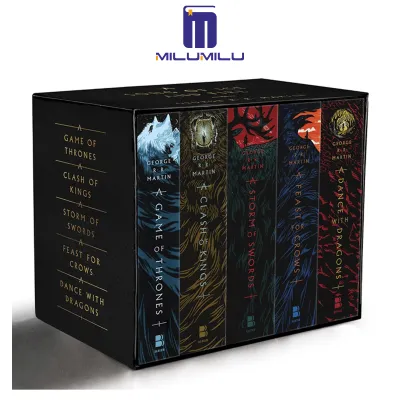
Prices are valid at publication and may change. Please refer to the product page for the latest price.
Morally grey characters are a hallmark of this literary space. Rather than operating within a simple framework of good versus evil, characters in Singaporean political fiction are typically driven by pragmatism, survival, and conflicting loyalties. A protagonist might cooperate with colonial authorities to protect their family business, or betray a lifelong friend to secure a position in a newly formed political party. These difficult choices mirror the survival strategies of characters who must navigate shifting political tides where a single misstep can lead to ruin.
When searching for these narratives, it is helpful to adjust your genre expectations. While you may not find many sprawling map-based fantasy epics, you will find highly sophisticated historical fiction, family sagas, and contemporary literary thrillers. These genres allow local writers to dissect the mechanics of power, influence, and compromise within tightly controlled social structures, offering a realistic and often chilling look at human ambition.
Core Themes That Deliver Political Depth and Moral Ambiguity
Several recurring themes in Singaporean literature naturally generate the high-stakes intrigue and ethical dilemmas that appeal to fans of complex political narratives. Understanding these themes will help you identify which books are most likely to deliver the depth you are looking for.

The clash between traditional family hierarchies and modern corporate or political ambition is a powerful driver of conflict. In many local family sagas, wealthy clans operate much like noble houses, with patriarchs and matriarchs wielding absolute authority over inheritance, marriages, and business empires. Younger family members must navigate these rigid structures, often resorting to covert alliances, blackmail, and betrayal to secure their own independence or control over the family fortune.
Another fertile ground for political intrigue is the depiction of pivotal historical flashpoints. Stories set during the Japanese Occupation, the post-war emergency, or the turbulent years leading up to merger and separation are inherently filled with tension. In these chaotic environments, official laws break down, and individuals must rely on shifting alliances with various factions, including resistance movements, colonial administrators, and local political parties. The moral compromises made during these eras leave lasting scars that echo across generations.
Finally, the tension between collective societal expectations and individual ambition provides a rich source of moral ambiguity. Singaporean fiction often explores the high cost of non-conformity in a society that prioritizes stability and collective progress. Characters who harbor ruthless personal ambitions or unconventional beliefs must operate in the shadows, creating a tense atmosphere of paranoia and strategic maneuvering where anyone could be an informant.
How to Evaluate and Select Your Next Complex Read
When browsing for your next book, you can use a systematic approach to evaluate whether a novel possesses the political and moral complexity you desire. Because marketing descriptions can sometimes downplay political themes in favor of broader historical appeal, looking for specific indicators will help you make an informed choice.
First, examine the author’s background and the depth of their research. Authors who have backgrounds in journalism, history, law, or public policy often bring a high level of systemic realism to their fiction. Look for books that include extensive bibliographies, historical notes, or acknowledgments of archival research, as these indicate that the political systems and historical conflicts depicted in the novel are grounded in authentic, complex realities.
Second, analyze the publisher’s blurbs and reader reviews for specific narrative keywords. Seek out terms such as “unreliable narrator,” “factional conflict,” “generational feud,” “moral compromise,” “political exile,” or “tragic flaws.” If a book is described primarily as a sweet historical romance or a nostalgic look at the past, it may lack the sharp edge you are seeking. Instead, look for descriptions that emphasize the cost of ambition or the dark underbelly of societal success.
Third, verify the book’s structural format and content warnings. Novels that utilize multiple point-of-view (POV) characters are highly likely to offer the multi-faceted perspective necessary for true moral complexity, allowing you to understand the motivations of opposing factions. Additionally, check for mature themes and political contexts, which suggest the narrative does not shy away from the harsh realities of power struggles.
Where to Source and Discover Local Political Fiction
Finding specialized Singaporean literature requires knowing where to look beyond the mainstream bestseller shelves. By utilizing local resources, you can easily locate novels that offer deep political and historical intrigue.
Visiting independent local bookstores is one of the most effective ways to discover these titles. These shops often dedicate prominent shelf space to Singaporean literature and are staffed by knowledgeable booksellers who can recommend lesser-known works that fit your preferences. When visiting, look for dedicated “Singapore Collection” or “Local Fiction” sections, which group these titles together rather than dispersing them throughout general fiction. Expect to pay around S$18 to S$28 for a standard paperback edition at local shops, which directly supports the local literary ecosystem.
The National Library Board (NLB) catalog is another invaluable tool for sourcing local political fiction. When searching the digital catalog, use specific subject headings such as “Singapore fiction (English),” “Political fiction, Singaporean,” or “Historical fiction, Singaporean.” You can also filter your search by local publishers—such as Epigram Books, Ethos Books, or Landmark Books—which are known for championing complex, socially conscious local voices.
Additionally, engaging with local literary institutions can guide you toward high-quality reads. Pay close attention to the nominees and winners of the Singapore Literature Prize, particularly in the English Fiction category, as these works are judged on their literary merit and depth. Attending events at the annual Singapore Writers Festival or participating in book clubs focused on Southeast Asian literature can also expose you to discussions about the most politically engaging local novels available.
Frequently Asked Questions (FAQ)
Are there any direct fantasy equivalents to Game of Thrones written by Singaporean authors?
While high fantasy remains a minority genre in Singapore’s publishing landscape, which is heavily dominated by realism and historical fiction, there is a growing body of speculative fiction that explores political themes. Readers interested in fantastical elements combined with political intrigue should look toward local alternate history novels, speculative anthologies, and urban fantasy. These works often use speculative elements—such as reimagined colonial histories or supernatural bureaucracies—to critique real-world power structures, offering a unique blend of imagination and political commentary.
How can I ensure I am buying the correct English edition of a translated local novel?
To ensure you are purchasing a high-quality, authorized English translation of a Singaporean novel originally written in Malay, Tamil, or Chinese, always check the book’s copyright page. A reputable edition will clearly credit the translator and list the original publication details, including the original title and year of release. It is best to purchase these books from established local publishers or authorized distributors, as they maintain high standards for translation quality and ensure that the author’s original political nuances and cultural contexts are preserved without being simplified or abridged.

Community discussion
Share your experience or ask a question. Comments are reviewed before publication.