
Readers who love the sweeping scale, deep lore, and immersive world-building of classic high fantasy like The Lord of the Rings often look for similar grand-scale experiences closer to home. In Singapore, a growing wave of speculative fiction authors is turning away from traditional Eurocentric tropes to build epic worlds rooted in Southeast Asian mythology. By drawing on Malay animism, Chinese folklore, Hindu epics, and regional maritime legends, these writers create rich, complex settings that offer a fresh perspective on the fantasy genre.
Finding these literary gems requires understanding how local authors adapt mythology, recognizing the unique themes of regional speculative fiction, and knowing where to source these books. This guide provides a structured approach to discovering and evaluating Singaporean fantasy novels that deliver the epic world-building you crave.
Defining Epic World-Building and Mythological Elements
To find a local novel that matches the epic scale of classic high fantasy, readers must look for specific world-building markers. True epic fantasy relies on a sense of deep time and vast space. In Singaporean speculative fiction, this is often achieved through original magic systems that operate on clear, consistent rules, complex political histories that govern fictional empires, and detailed geographical settings that feel lived-in and expansive.
Products mentioned in this guide
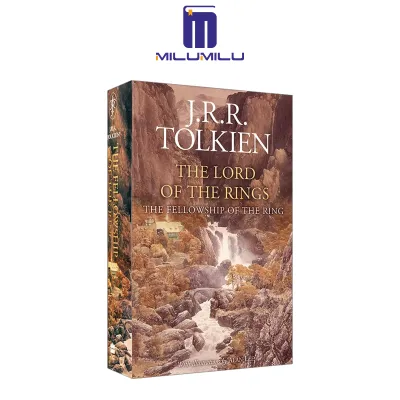
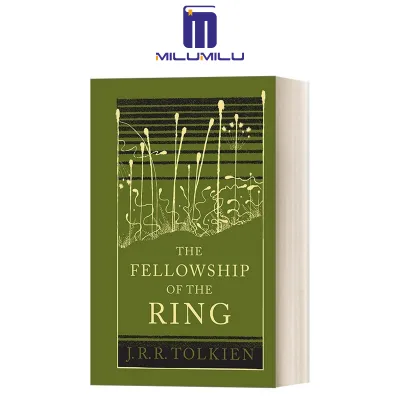
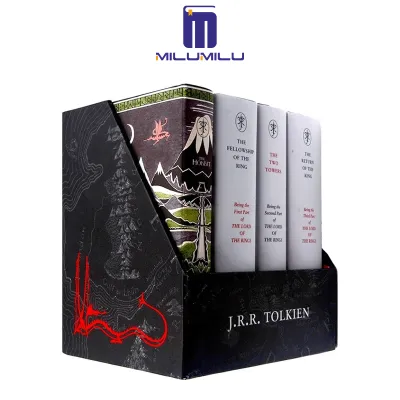
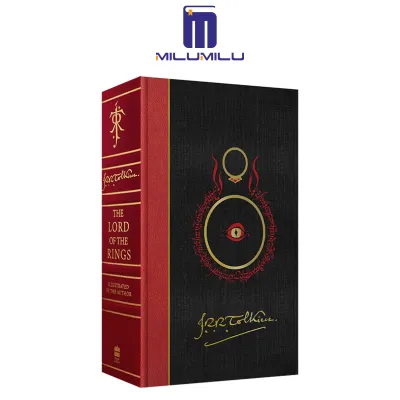
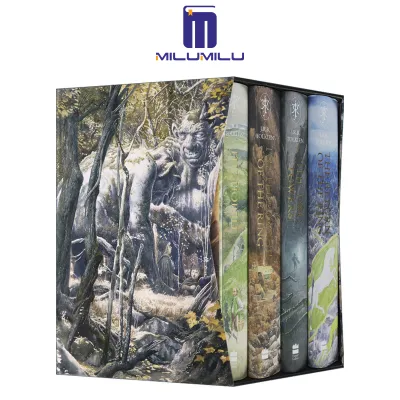
Prices are valid at publication and may change. Please refer to the product page for the latest price.
When evaluating a book, it is crucial to distinguish between superficial cultural aesthetics and deeply integrated mythology. Superficial integration might simply feature a regional creature, such as a pontianak or a toyol, appearing as a monster-of-the-week in an otherwise standard urban setting. In contrast, deep integration reimagines the entire cosmology, spiritual hierarchy, and ecological rules of the world based on regional beliefs. For example, a story might construct an entire magic system around the flow of spiritual energy or the historical treaties signed between ancient spirits and mortal rulers.
Narrative scale is another essential marker. Epic fantasy enthusiasts expect multi-threaded storytelling structures where the stakes extend beyond individual survival to the fate of kingdoms or worlds. Look for narratives that feature multiple perspectives, generational conflicts, and historical lore that predates the events of the first chapter. This structural complexity is what elevates a local novel from a simple adventure story to a grand mythological epic.
Key Themes and Tropes in Local Speculative Fiction
Singaporean speculative fiction possesses a distinct thematic identity shaped by the region’s history and rapid development. One of the most prominent themes is the intersection of post-colonialism, rapid urbanization, and mythological conflicts. Authors frequently explore the tension between a hyper-modern, concrete cityscape and the ancient, untamed magical worlds that lie hidden beneath the surface or within the cracks of urban infrastructure. This clash between progress and heritage provides a fertile ground for epic struggles.

Cross-cultural integration is another unique strength of local fantasy literature. Because Singapore is a multicultural society, local authors are uniquely positioned to weave together multi-racial mythologies. A single fantasy setting might seamlessly blend elements of Malay folklore, Chinese Taoist cosmology, and Indian epics. This synthesis creates a rich, tapestry-like world that feels incredibly diverse and complex, mirroring the real-world cultural landscape while offering entirely new mythological frameworks.
Understanding the distinction between low magic and high magic settings in local fiction will also help align your reading choices with your preferences. Low magic settings often take the form of urban fantasy, where magical elements are hidden from the ordinary public, creating a sense of mystery and secret history. High magic settings, on the other hand, present entirely secondary worlds where magic is an open, structural part of society, complete with magical academies, guilds, and state-sanctioned sorcery. Both settings can achieve an epic feel, but secondary-world high fantasy typically offers the closest structural parallel to classic epic series.
Where to Find and Evaluate Local Fantasy Authors
Discovering high-quality Singaporean speculative fiction requires looking beyond mainstream international bestseller lists. A great starting point is to monitor local literary awards. The Singapore Literature Prize, particularly the English Fiction category, frequently features speculative fiction works that have been recognized for their literary merit and world-building depth. Additionally, regional manuscript competitions, such as the Epigram Books Fiction Prize, often showcase outstanding unpublished fantasy works that eventually make their way to print.
Independent bookstores and local literary presses are the lifelines of genre fiction in the region. Specialized independent bookstores often dedicate entire sections to local writing and speculative fiction, and their staff can offer highly tailored recommendations. Local publishers, such as Epigram Books, Ethos Books, and Math Paper Press, actively champion speculative and genre fiction. Visiting their online storefronts or physical locations allows you to browse catalogs specifically curated for regional voices.
For those who want to sample an author’s style before committing to a full-length novel, local literary magazines and speculative fiction anthologies are invaluable resources. Publications like Lontar: The Journal of Southeast Asian Speculative Fiction have historically served as excellent launchpads for regional writers. Reading these anthologies allows you to experience a wide variety of mythological interpretations and identify specific authors whose world-building style resonates with your reading tastes.
Building Your Reading List: Evaluation Criteria
When building your reading list, establishing a clear set of evaluation criteria will help ensure your next purchase meets your expectations for epic world-building. Use this structured approach when browsing physical shelves or online catalogs:
- Analyze Book Blurbs and Metadata: Look for specific genre tags such as "speculative fiction," "epic fantasy," "secondary-world fantasy," or "mythological world-building." Avoid books categorized purely as "contemporary horror" or "paranormal romance" if your primary goal is to experience grand-scale world-building.
- Assess the Opening Chapters: If possible, read the first few pages or preview the sample chapters online. Pay attention to how the author introduces the setting and mythology. A strong epic fantasy will establish a sense of place, hint at a broader history, and integrate cultural elements naturally without relying on heavy-handed exposition or info-dumping.
- Check the Narrative Format: Determine whether the book is a standalone novel or part of an intended series. While standalone novels can offer incredibly tight, satisfying narratives, epic fantasy often requires the canvas of a series to fully develop its world, magic systems, and political intrigues. Keep in mind that local publishing cycles can be longer, so finding a completed trilogy is a significant find.
- Verify Edition and Availability: Local books typically retail between S$18 and S$28. Before purchasing, verify the format (paperback, ebook, or audiobook) and ensure the edition is complete and authorized by the publisher to guarantee the best reading experience.
Frequently Asked Questions (FAQ)
Are there direct local equivalents to high-fantasy series like The Lord of the Rings?
Because the local publishing market is smaller than its Western counterparts, massive, multi-volume secondary-world high fantasy series are less common. However, local authors frequently write highly ambitious urban fantasy and historical speculative fiction that matches the thematic depth and mythological complexity of classic high fantasy. Instead of looking for direct clones of Western tropes, readers will find the closest equivalents in books that draw on grand regional histories, such as the Srivijaya or Majapahit empires, to build their fictional worlds.
How can I support local authors writing in this genre?
Supporting local speculative fiction writers is essential for the growth of the genre. The most direct way to help is by purchasing their books directly from local independent bookstores or the publishers’ official websites. Additionally, leaving detailed reviews on book-sharing platforms, recommending the titles to friends, and submitting purchase requests to the National Library Board helps increase visibility and ensures these authors can continue to write and publish their epic stories.

Community discussion
Share your experience or ask a question. Comments are reviewed before publication.