
Singaporean literature offers a rich, deeply evocative landscape of novels and short stories that mirror the existential dread, alienation, and surreal transformations found in Franz Kafka’s classic work. Instead of waking up as giant insects, characters in local fiction often navigate psychological fragmentation, surreal physical changes, and profound displacement. These narratives serve as a creative lens to explore how individuals lose their sense of self within a rapidly modernizing, high-pressure city-state.
By examining these literary works, you can discover how local writers use speculative elements and magical realism to address the universal struggle for identity. Whether you are a seasoned reader of existential fiction or new to the genre, understanding these thematic parallels will help you appreciate the unique ways local authors capture the complexities of modern life. This guide outlines the key themes, evaluation strategies, and sourcing methods to help you navigate this compelling segment of local literature.
Understanding Metamorphosis and Alienation in the Singaporean Context
In Kafka’s writing, a sudden and absurd physical transformation externalizes a character’s internal alienation from family and society. In the context of Singaporean fiction, this sense of transformation is frequently psychological or environmental rather than purely physical. The rapid physical restructuring of the landscape over the past few decades provides a powerful backdrop, where characters feel like strangers in their own rapidly changing neighborhoods.
Products mentioned in this guide
![[Authentic English Version] The Metamorphosis By Franz Kafka.AutoMaxion](https://img.lazcdn.com/g/p/176d5e39b9589501e161457ac9d896ba.jpg_webp_400x400q80.jpg_.webp)





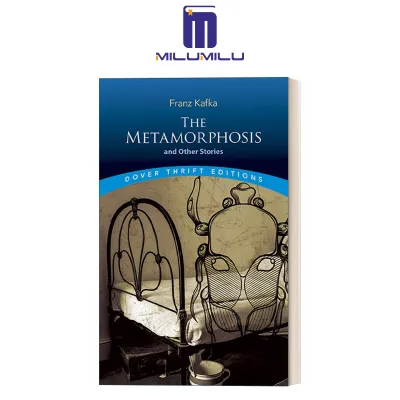
Prices are valid at publication and may change. Please refer to the product page for the latest price.
This environmental shift often mirrors a deeper psychological displacement. As old landmarks vanish to make way for modern high-rises, characters in these novels struggle to anchor their memories, leading to a fragmented sense of self. The physical transformation of the city becomes an active force that shapes, and sometimes fractures, the inner lives of its inhabitants, leaving them to navigate a world that feels increasingly unfamiliar.
Beyond physical surroundings, the intense pressure of a highly structured meritocracy and rigid societal expectations drives a deep sense of estrangement. Much like Gregor Samsa’s exhaustion from his demanding job, characters in local fiction often experience severe academic or professional burnout. This systemic alienation arises from the constant fear of falling behind in a fast-paced, achievement-oriented society, forcing individuals to suppress their personal desires until they experience a quiet, internal rupture.
Furthermore, rapid linguistic shifts and multicultural navigation contribute significantly to local identity crises. The transition across generations from dialect or native languages to English as the primary medium of education and commerce has created profound communication barriers within families. Many local stories depict characters who are unable to fully express their emotional realities to their parents or grandparents, resulting in a unique form of linguistic alienation where one feels like an outsider within their own domestic sphere.
Key Narrative Themes to Look for in Local Novels
When searching for local fiction that captures the essence of existential transformation, the transition from traditional settlements to modern public housing is a primary motif to observe. This physical relocation is rarely just a change of address; it serves as a metaphor for the loss of communal ties and personal detachment. The sterile, uniform corridors of high-rise flats frequently mirror the internal emptiness of characters who struggle to find a sense of belonging within highly standardized living spaces.

Another critical theme to look for is the complex dynamic of family obligations and the heavy burden of filial piety. In many local narratives, the pressure to conform to collective family expectations acts as a catalyst for internal fracturing. Authors often explore the quiet desperation of characters who lead double lives or withdraw entirely from their domestic environments, highlighting how the home can transform from a sanctuary into a source of profound isolation.
Workplace and academic burnout also serve as fertile ground for surreal coping mechanisms and existential detachment. In these stories, the monotony of daily routines and corporate demands can cause characters to experience bizarre psychological shifts. You will often encounter narratives where characters develop obsessive behaviors, experience dissociative episodes, or undergo subtle, surreal physical changes as a subconscious protest against the relentless grind of urban life.
To identify these themes effectively, pay close attention to how authors use speculative elements or magical realism. When a character’s internal struggle is represented by an absurd physical condition, a sudden loss of speech, or an inexplicable change in their environment, the narrative is likely engaging with the core concepts of Kafkaesque alienation. These literary devices allow writers to make the invisible pressures of modern society visible and tangible for the reader.
Evaluating Languages, Translations, and Editions
Singapore’s literary scene is uniquely multilingual, with significant bodies of work written in English, Malay, Chinese, and Tamil. While many contemporary novels are written directly in English, some of the most profound explorations of alienation are found in translated works. Comparing original English writing with translated local literature allows you to appreciate different cultural nuances and historical perspectives on how societal changes impact the individual.
When evaluating translated works, it is highly beneficial to check for editions that include translator notes, introductions, or comprehensive glossaries. These additions are crucial for preserving local colloquialisms, historical context, and specific cultural idioms that might otherwise lose their impact in translation. An unabridged version ensures that the raw, sometimes uncomfortable themes of isolation and identity crisis are presented exactly as the author intended, without being softened for a broader audience.
Additionally, verifying the publication date and the background of the publisher can provide valuable context for your reading goals. Works published by local independent presses often focus on niche, experimental, or highly critical themes that mainstream global publishers might overlook. Aligning the publication date with major historical milestones in the region helps you understand the specific societal anxieties, economic shifts, or urban redevelopment phases that influenced the author’s writing.
By carefully selecting well-documented editions, you gain a deeper appreciation of the socio-political environment that shapes the characters’ experiences. This careful evaluation ensures that you do not miss the subtle critiques of modern life embedded within the text, allowing for a much richer and more rewarding reading experience that goes beyond the surface plot.
Where to Source and Verify Singaporean Literary Works
Finding specialized local literature requires looking beyond mainstream global retail chains and online marketplaces. Local independent bookstores and dedicated literary publishers are excellent starting points for discovering curated selections of Singaporean fiction. These specialized spaces often employ knowledgeable staff who can recommend titles based on specific thematic preferences, such as existentialism or magical realism.
For readers who prefer to explore out-of-print, rare, or historical titles before making a purchase, the National Library Board physical and digital catalogs are invaluable resources. The national library system maintains an extensive archive of local writing, including older translations, literary journals, and academic critiques. Utilizing these catalogs allows you to access a vast range of texts that may no longer be in active print, providing a broader historical perspective on local themes of alienation.
To ensure you are selecting works with genuine thematic depth, cross-reference author credentials and local literary awards, such as the Singapore Literature Prize. While awards are not the sole indicator of literary merit, they often highlight works that have made significant contributions to the local cultural landscape. Checking critical reviews in local literary journals can also help you gauge how effectively a novel tackles complex psychological and societal themes.
By combining these sourcing methods, you can build a diverse reading list that spans different eras, languages, and styles. Engaging with independent bookstores, public archives, and award listings not only helps you find high-quality literature but also deepens your understanding of the historical and cultural forces that shape Singaporean writing.
Frequently Asked Questions (FAQ)
Are there direct local adaptations of Kafka's Metamorphosis?
While direct, scene-by-scene adaptations of Kafka’s The Metamorphosis set in Singapore are relatively rare, many local works pay direct thematic homage to it. Some short stories and theatrical plays explicitly reference the absurd physical transformation of a protagonist to critique local societal pressures and the consequences of extreme conformity.
To distinguish between a literal retelling and a thematic parallel, carefully examine the book description and publisher notes. Literal adaptations will usually credit Kafka or explicitly state that the work is a reimagining of his novella. Thematic parallels, on the other hand, will focus on original characters experiencing their own unique forms of psychological or physical unraveling within a local setting, using Kafka’s concepts as a structural inspiration rather than a direct template.
How do cultural expectations drive identity crises in these stories?
In Singaporean narratives, identity crises are frequently catalyzed by the intense friction between individual aspirations and collective obligations. The societal expectation to achieve material success, maintain family honor, and adhere to traditional roles can leave very little room for personal deviation or self-exploration.
When characters find themselves unable to bridge the gap between their true desires and these rigid expectations, they often experience profound psychological withdrawal. In speculative or surreal local fiction, this internal conflict is externalized through bizarre behavioral shifts or physical changes, serving as a dramatic, silent protest against the pressure to conform to a standardized mold of success.
Community discussion
Share your experience or ask a question. Comments are reviewed before publication.